
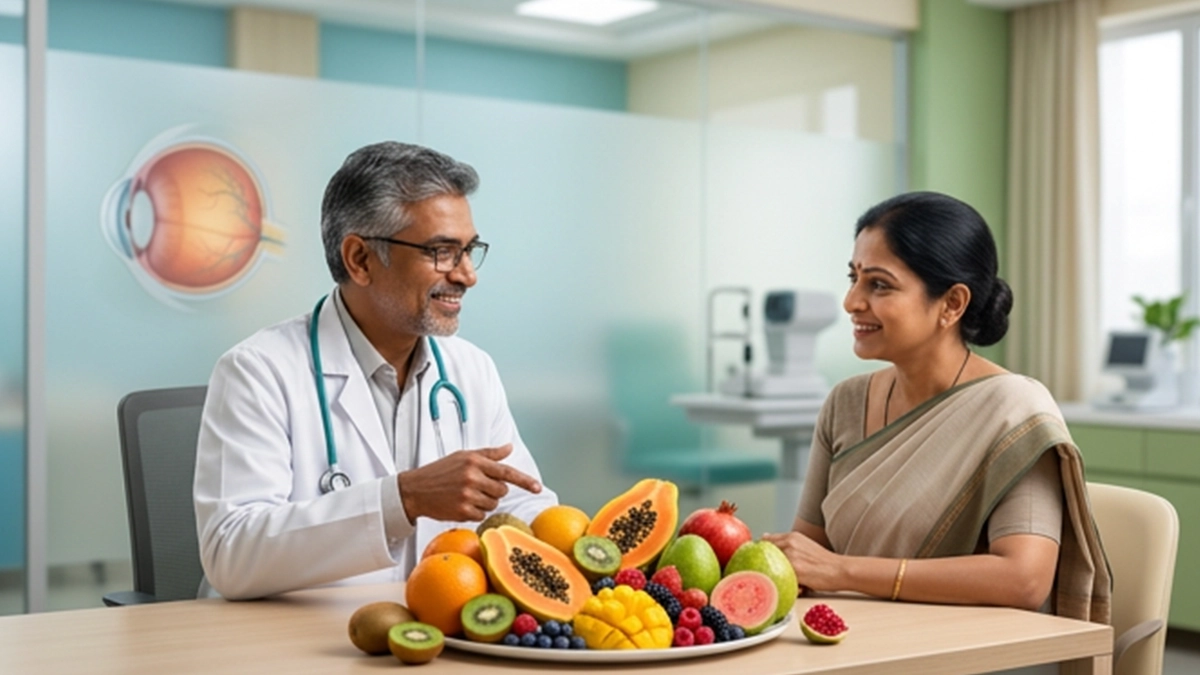
Choosing the best fruits for eye health is an issue of including a wide variety of them in your diet, not zeroing in on a single super food. Healthy vision results from a balanced diet, regular eye exams and treatment. best fruits for eye health will supply you with vitamin C, carotenoids and other plant based compounds which in turn support normal eye structure, but fruit is not a solution for prescription needs or a cure for eye disease.
The U.S. The National Eye Institute puts forth a balanced diet that includes lots of fruits and veggies as a component of good eye health. In a similar note the ICMR National Institute of Nutrition put out a guide which reports that amla, guava and citrus are great sources of vitamin C, also they include in their list of recommendations fruits like papaya and mango which are great sources of carotenoids that in turn are precursors to vitamin A.
Why Fruits Matter for Eye Health
Many different fruits for healthy eyes provide vitamin C and colorful plant pigments. Also vitamin A plays a role in normal vision, while vitamin C has antioxidant action. This is to say that the best fruits for eye health are many and should be included in your diet regularly. NIH reports that vitamin A is important for normal vision and that pro-vitamin A carotenoids are present in plant foods.
But do not think of these fruits for better vision. Persistent blur, flashes, floaters or sudden vision changes require an ophthalmologist’s assessment.
15 Best Fruits for Eye Health
The first group of best fruits for eye health includes familiar choices that fit easily into an Indian diet.
| Fruit | Helpful Nutrients | Why Include It |
| Amla | Vitamin C | Antioxidant-rich choice |
| Guava | Vitamin C, carotenoids | Adds nutrient variety |
| Orange | Vitamin C | Simple citrus option |
| Kiwi | Vitamin C | Supports varied intake |
| Strawberries | Vitamin C, pigments | Colourful fruit choice |
| Papaya | Carotenoids, vitamin C | Useful orange fruit |
| Mango | Provitamin A carotenoids | Supports vitamin A intake |
| Cantaloupe | Carotenoids, vitamin C | Balanced nutrient mix |
These best fruits for eye health are better to rotate through the week instead of choosing what you term as one daily “superfood”. ICMR-NIN reports that amla, guava and citrus fruits are great sources of vitamin C and papaya and mango are good sources of carotenoids.
| Fruit | Helpful Nutrients | Why Include It |
| Blueberries | Anthocyanin pigments | Adds dark plant pigments |
| Black grapes | Polyphenols | Adds fruit variety |
| Pomegranate | Polyphenols | Antioxidant-rich option |
| Watermelon | Lycopene, vitamin C | Hydrating choice |
| Apricot | Provitamin A carotenoids | Supports vitamin A intake |
| Avocado | Healthy fats, vitamin E | Complements eye health foods |
| Banana | Vitamin B6, potassium | Convenient everyday fruit |
How to Include Fruits in an Eye-Healthy Diet
There is not a set daily intake of top fruit choices for eye health. Instead choose from what is in season while also thinking about calorie, blood sugar, and medical issues. For people with diabetes or kidney issues we suggest getting individual diet advice.
Pair your eye health fruit choices with leafy greens, eggs, nuts, seeds, and omega 3 rich foods to create a fuller range of nutrients. While these fruits are beneficial for the eyes they also lack some of the specific elements that the retina, lens, and ocular surface will benefit from.
Can Fruits Prevent Eye Disease?
No fruit can put to rest the issue of cataract, glaucoma, diabetic retinopathy or age related macular degeneration. From National Eye Institute research we see that a certain AREDS2 supplement does help some people with intermediate or late AMD but what we see in food is not that which is put forth by that formula.
That is a point to note when we talk of which is the best fruits for eye health.. Food supports overall health over the long term, what an eye test from Vasan Eye Care or a retina test from Vasan Eye Care does is it brings to light issues diet won’t. By which we mean that depending only on fruits for better vision is a delay in proper diagnosis.
Choosing the Right Fruits
Rotate through a variety of berries, citrus, orange and yellow fruits and in season what is local. By changing up which best fruits for eye health you increase your intake of vitamin C and carotenoids and also make healthful choices easier to stick to.
At Vasan Eye Care we offer a full range of eye care services which include nutrition.best fruits for eye health are a great addition to healthy lifestyle choices, but also we stress the importance of regular eye exams which are especially critical with diabetes, a family history of eye issues or when you notice your vision is changing.
Key Takeaway
The best fruits for eye health are amla, guava, oranges, kiwi, berries, papaya, mango, cantaloupe, grapes, pomegranate, watermelon, apricot, avocado and banana. We see value in a variety of fruits for healthy eyes,, veggies and other eye health foods instead of putting all eggs in one basket with superfruits. best fruits for eye health are a great way to support your nutrition; they are not a substitute for professional care.
In the long term, include the best fruits for eye health into your routine along with your eye check ups. To make the best fruits for eye health a part of your regular diet, choose what is in season.
Frequently Asked Questions
1. Which fruit is best for eye health?
There isn’t a single grand winner. We see a range of best fruits for eye health that provide vitamin C, carotenoids and other nutrients.
2. Can fruits improve eyesight naturally?
Fruits improve vision health which in turn improves nutrition, but they do not do away with the need for glasses or reverse eye disease.
3. Are oranges good for the eyes?
Yes. We see that oranges which are a good source of vitamin C also fall into the category of best fruits for eye health.
4. Is papaya good for eye health?
Papaya has vitamin C and carotenoids which in turn make it a fruits for healthy eyes.
5. Can fruit replace eye supplements?
To each his own. Some supplements have set amounts for certain health issues. Check with your ophthalmologist before trading them out for food