
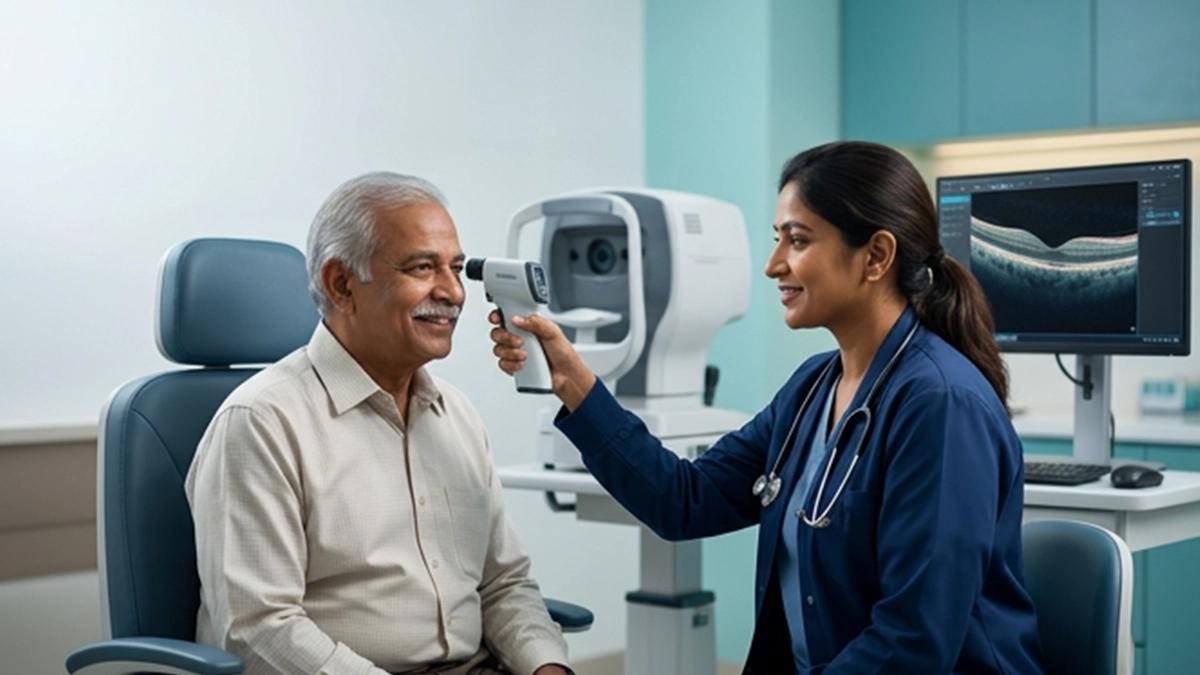
Glaucoma may present no pain and no early tell tale signs. This is why we see that glaucoma prevention for seniors is focused on early detection which in turn will prevent permanent vision loss. By age 60 annual eye exams play a very important role.
Out of this The National Eye Institute’s glaucoma guidance says that adults over 60 and people with a family history are at higher risk. Thus Glaucoma prevention for seniors also means to know your risk and to get comprehensive eye exams.
Why Glaucoma Prevention for Seniors Matters After 60
Age is a large glaucoma risk factors.. The older adult population also sees a higher incidence of diabetes, high blood pressure or increased eye pressure. Glaucoma in elderly may present without notice as peripheral vision goes out gradually.
As glaucoma prevention for seniors which we include in a glaucoma plan we look at full medical and family history rather than eye pressure which may be the only thing looked at. Also into the mix we have family history of the disease, past eye injury and certain steroid medications which play a role. This means glaucoma prevention for seniors is a very personal part of routine eye care.
| Risk factor | Why it matters | Suggested action |
| Age over 60 | Risk rises with age | Have regular eye examinations |
| Family history | Glaucoma can run in families | Inform the ophthalmologist |
| Diabetes or high blood pressure | May increase eye-health risk | Keep conditions monitored |
| Raised eye pressure | Can contribute to optic nerve damage | Check pressure and optic nerve |
| Steroid use | Some steroids can raise glaucoma risk | Share medication history |
Who Needs Closer Glaucoma Screening?
People who have multiple glaucoma risk factors will require more frequent follow up. For Glaucoma prevention for seniors which is very important when advanced age is combined with family history, diabetes, hypertension, high eye pressure or use of steroids for long term.
The CDC glaucoma guidelines also report that adults over 60, people with diabetes and those with a family history are high risk groups. Glaucoma screening for seniors is key to catching the disease before visual symptoms present. In elderly adults the central vision may be clear when in fact glaucoma is present.
For glaucoma in elderly adults it is best to test based on risk factor instead of waiting for symptoms to appear.
What Does Glaucoma Screening Include?
A full glaucoma screening for seniors usually includes a variety of tests. At Vasan Eye Care, we do a dedicated glaucoma eye test which looks at eye test, the optic nerve and visual fields in which also we do a broad eye test that looks at overall eye health.
| Test | What it checks | Purpose |
| Tonometry | Eye pressure | Identifies raised intraocular pressure |
| Optic nerve assessment | Optic nerve appearance | Looks for glaucoma damage |
| Visual field test | Peripheral vision | Detects missing areas of side vision |
| Dilated eye examination | Internal eye structures | Supports a complete assessment |
Higher at risk adults we see are to have annual or biannual full eye exams which in some cases may be more or less frequent as determined by the ophthalmologist. For Glaucoma prevention for seniors we should look at it as an ongoing issue.
Can Healthy Habits Prevent Glaucoma?
Healthy habits do support in general terms of eye and vascular health, we must note they are no guarantee against glaucoma. Glaucoma prevention for seniors we put forward good diabetes and blood pressure control, avoidance of smoking, getting exercise when your health at large allows it and in addition we see to it that you have your eyes checked.
In the case of a diagnosis, glaucoma prevention for seniors means to also do what we can to avoid progression of the disease. That is to say do not discontinue prescribed eye drops or any other treatment just because vision seems to have stabilized.
When Should Seniors Seek Eye Care?
Routine health check for glaucoma screening for seniors is important as open-angle glaucoma may progress without symptoms. Sudden severe eye pain, redness, blurred vision, nausea or vomiting present in acute angle-closure glaucoma which requires prompt medical care.
At Vasan Eye Care we provide access to experienced eye doctors and glaucoma screening. Glaucoma prevention for seniors is best achieved when risk is assessed at an early stage and a follow up plan is put in place.
Protecting Vision With Early Detection
The key message behind glaucoma prevention for seniors is simple: Do not wait for symptoms. See to it that you are aware of glaucoma prevention for seniors and get in for early testing which in turn will protect your vision. In that which glaucoma in elderly
the disease may present very subtly, also get family members in for routine exams.
Early detection does not reverse optic nerve damage in glaucoma which has already occurred, but we can often stop the disease from progressing. Glaucoma prevention for seniors is thus about preserving what vision is left through early intervention.Glaucoma prevention for seniors also becomes more of a priority when multiple risks are present.
FAQs
1. What is the best glaucoma prevention for seniors?
Regular eye care, risk assessment and consistent treatment are the base of glaucoma prevention for seniors.
2. How often should seniors be screened?
High risk adults are told to have a comprehensive dilated eye exam every one to two years.
3. What are the main glaucoma risk factors?
Age, family history of the disease, high eye pressure, diabetes, high blood pressure and certain steroid medications may put you at greater risk.
4. Is glaucoma curable in older adults?
No. Glaucoma at present has no cure, but early treatment does help to slow progress and preserve what vision is left.
5. Can glaucoma prevention for seniors stop every case?
No.Glaucoma prevention for seniors mainly is in the early detection and to reduce avoidance which leads to vision loss.