
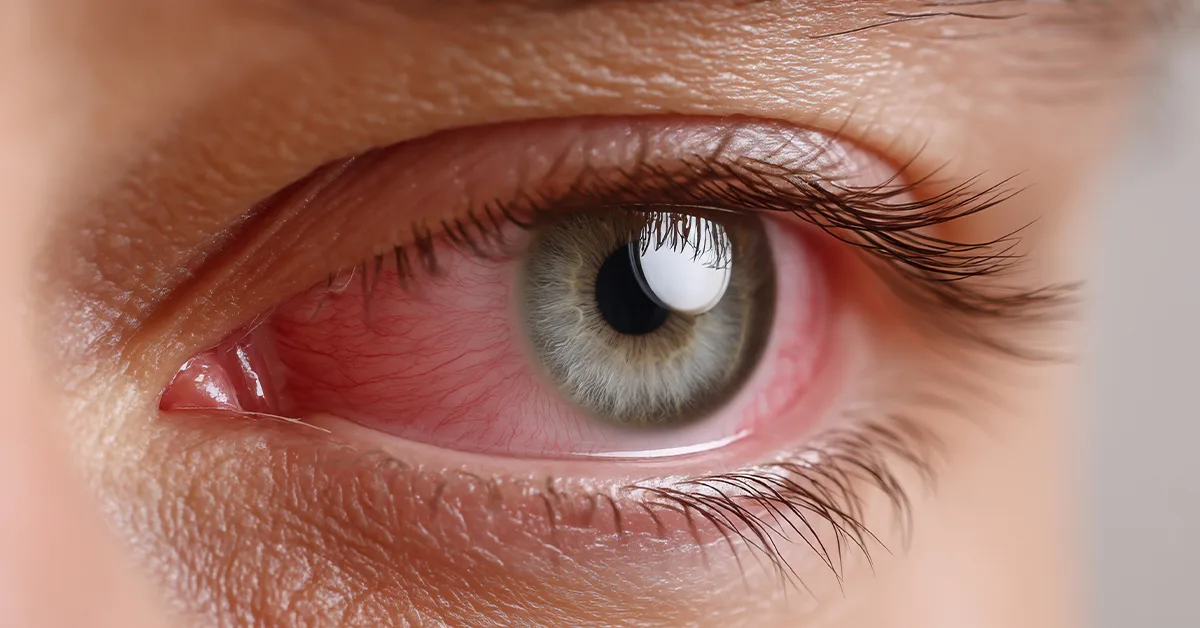
The cornea is one of those parts of the eye most people don’t think about until something feels off. It sits right at the front, clear and dome-shaped, quietly doing its job of focusing light. When it’s affected, even slightly, vision can change in ways that feel sudden.
Many patients first hear terms like what is cornea or what is the cornea of the eye only after symptoms begin. By then, the signs are often more noticeable than expected.
What Is the Cornea of the Eye and Why It Matters
The cornea is the transparent outer layer that covers the front of the eye. It plays a key role in bending light so that images focus properly on the retina.
Because it has no blood vessels, it depends on tears and surrounding fluids for nourishment. This also means that when infections or injuries occur, healing can be different compared to other parts of the body.
A question that comes up often is: If the cornea is clear, how do problems show up? Usually through changes in vision or discomfort rather than visible damage.
Early Signs of a Cornea Infection
A cornea infection can start quietly but may worsen quickly if left untreated. Recognising early symptoms makes a difference.
Common signs include:
- Redness that doesn’t settle
- Pain or a gritty sensation
- Blurred or hazy vision
- Sensitivity to light
- Excessive tearing or discharge
One thing that tends to stand out is how patients often wait, assuming it’s just irritation or dust. That delay can allow the infection to deepen.
Another question patients ask is: Is it okay to wait a day or two and see if it improves? With corneal issues, waiting can sometimes make treatment more complicated.
When a Corneal Ulcer Becomes a Concern
If an infection progresses, it may lead to a corneal ulcer. This is an open sore on the surface of the cornea.
Corneal ulcer treatment usually involves intensive medication, often in the form of antibiotic or antifungal drops given frequently throughout the day.
In more severe cases, the ulcer can affect deeper layers of the cornea, leading to scarring.
There’s a pattern seen in clinics, patients who come in early often respond faster to treatment. Those who delay may need more intensive care.
Vision Changes That Should Not Be Ignored
Not all corneal problems present with pain. Some show up mainly as visual changes.
These may include:
- Sudden blurring in one eye
- Halos around lights
- Distorted or shadowed vision
- Difficulty focusing even with glasses
A common concern is: If I just got my glasses changed, why is my vision still unclear? In such cases, the issue may not be refractive, it could be corneal.
This is where detailed evaluation becomes necessary.
Cornea Surgery Types and When They Are Needed
If the cornea is badly hurt, medical treatment alone may not be enough. That’s when surgery on the cornea might be an option.
Some types of cornea surgery are:
- Full or partial corneal transplant
- Cross-linking and other procedures to make the cornea stronger
- Treatments for scars on the surface
Doctors usually only recommend surgery when medication or lenses can’t fix the problem.
Patients often ask: Will surgery bring vision back to normal? It can improve clarity, but outcomes depend on the extent of damage and healing response.
Why Early Diagnosis Makes a Difference
Corneal conditions usually get worse faster than you think. What starts out as a little bit of pain can get worse in just a few days.
If you catch it early, you can start eye treatment before it gets worse. This often reduces the need for surgical intervention.
There’s a familiar situation seen in practice, patients try home remedies or over-the-counter drops first. By the time they seek care, the condition may have already advanced.
Also Read: Benefits of ICL Surgery: Why Some Choose ICL Over Laser Eye Surgery
Role of Eye Care Centres in Managing Corneal Conditions
Corneal evaluation often requires specific tests, including slit lamp examination and sometimes corneal staining using fluorescein dye to highlight defects.
At Vasan Eye Care, patients with suspected corneal issues are usually assessed in detail before starting treatment. This helps identify whether the problem is infectious, structural, or related to dryness.
Follow-up visits are often part of the process, especially when treating infections that need close monitoring.
Frequently Asked Questions (FAQs)
The clear front part of the eye helps focus light.
Common signs include redness, pain, blurred vision, and sensitivity to light.
It involves frequent use of medicated eye drops and close monitoring.
When other treatments don’t work and the damage is bad enough to affect vision, surgery is an option.
Some minor issues may improve, but infections and ulcers need medical care.
Treatments We Offer
Eye Treatments | Cataract Surgery | LASIK Eye Surgery | Squint Eye Treatment | Retinal Diseases | EPI LASIK | Corneal Services | Refractive Surgery | Oculoplasty Surgery | Dry Eye Treatment | Contoura Vision Surgery | Anti VEGF Agents Treatment | Photorefractive Keratectomy | Vitrectomy Surgery | Epi Contoura Eye Surgery | Customised LASIK Surgery | Retinal Laser Photocoagulation Treatment | Implantable Collamer Lens |Cataract Surgery in Bangalore | Cataract Surgery in Hyderabad | Cataract Surgery Chennai | LASIK Eye Surgery in Hyderabad | LASIK Eye Surgery in Bangalore | LASIK Eye Surgery in Chennai | Retina Services in Hyderabad | Retina Services Chennai | Squint Eye Treatment in Bangalore | Squint Eye Treatment in Hyderabad | Squint Eye Treatment in Chennai | Glaucoma Treatment in Bangalore | Glaucoma Treatment in Chennai | Glaucoma Treatment in Hyderabad
Eye Conditions We Treat
Glaucoma Treatment | Orbital Trauma | Macular Hole | Retinopathy of Prematurity | Uveitis | Traumatic Treatment | Retinal Detachment | Cataract Diseases | Posterior Subcapsular Cataract | Diabetic Retinopathy | Rosette Cataract Surgery | Squint Eye Disease