
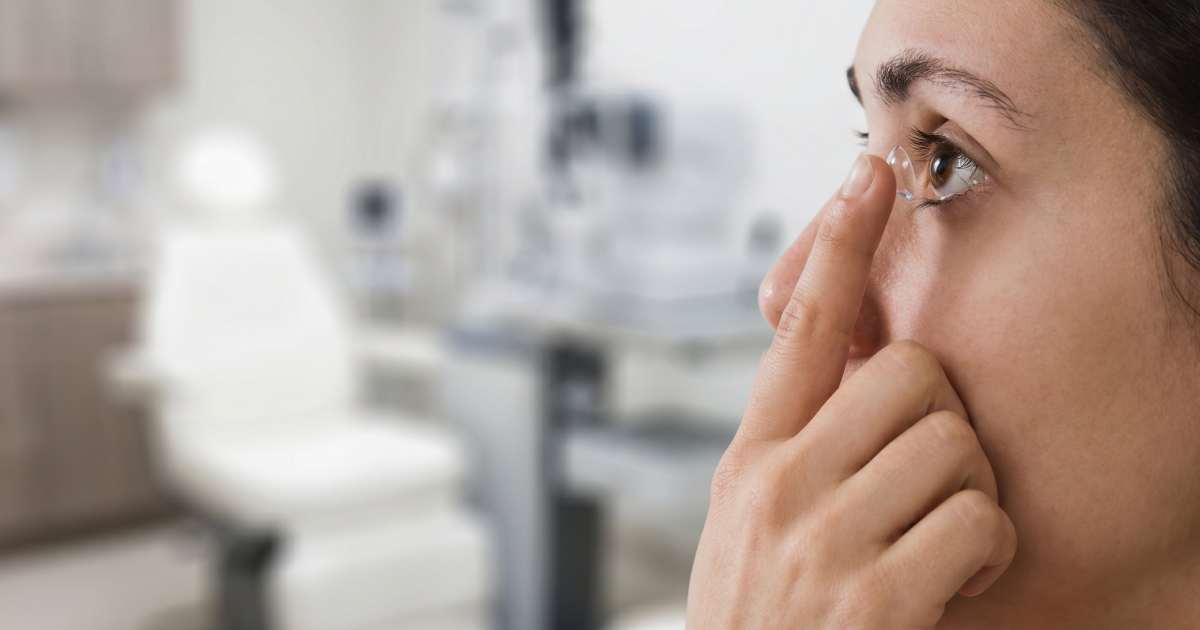
Choosing contact lenses is not just a matter of which brand, color, or price you choose. What you should be looking at is which lens is best for your eyes based on your prescription, corneal shape, tear quality, work habits, screen time, and eye health. Many people also ask, ‘Are contact lenses good for the eyes?’ The answer is that, when they are prescribed, fitted, worn, cleaned, and replaced properly, contact lenses can be a safe and comfortable choice.
Contact lenses are medical devices, which is why professional guidance is important. If you are searching for how to get contact lenses, start with an eye examination and a contact lens fitting from an eye-care professional instead of purchasing lenses at random. When patients ask which eye contact lenses are the best, what we see from the doctors’ side is a focus on comfort, oxygen permeability, wear schedule, material of the lens and how it fits in with the patient’s daily life. Government health agencies also stress that contact lenses should be purchased and used with the correct prescription, fitting, cleaning routine, and safe wearing practices.
Why Choosing the Right Contact Lens Matters
The answer to which lens is best for eyes changes from person to person.A college student who wears lenses daily may need a different option from an office worker who spends long hours on the computer. A person with astigmatism, dry eyes, or a high power prescription may require a more custom fit than someone with a simple prescription.
A common question is whether contact lenses are good for the eyes. They can be suitable for regular use for some people if the lenses fit properly and the user follows hygiene instructions. However, poor cleaning, overwear, wearing them to sleep at night without medical advice, or getting them wet can cause issues of irritation and infection. If you are unsure about how to get contact lenses safely, visit an eye hospital for professional advice.
Which Lens Is Best for Eyes? Start with an Eye Check-up
Before going into which lens is best for eyes you may have a visit to your eye specialist because when they will check your vision power, your corneal curve, tear film, eyelid health and also your lens tolerance. Out of that comes the determination of whether it will be soft lenses, toric lenses, multifocal, rigid gas permeable or specialty lenses which will suit you best. It is only at this point that we will have our answer which lens is best for eyes.
Many consumers report that they ask which eye contact lenses are the best after doing online research. Reviews do share what other users’ experiences are like, but they are not a sure thing. A great lens may still not work for you if it doesn’t match your eye’s size, curve, moisture level, or replacement schedule. If you have dryness, allergies, or corneal concerns, Vasan Eye Care may first recommend appropriate eye treatment before deciding which lenses are right for you.
| Contact Lens Type | Usually Suitable For | What to Discuss |
| Daily disposable lenses | Occasional wear, travel, sports, and low-maintenance use | Ask which lens is best for eyes if you want fresh lenses every day. |
| Monthly or bi-weekly lenses | Regular users who can clean and store lenses properly | Ask is contact lens good for eyes for your daily wearing hours. |
| Toric lenses | People with astigmatism or cylindrical power | Ask which eye contact lenses are the best for stable vision. |
| Multifocal lenses | People needing near and distance correction | Ask how to get contact lenses that balance reading and distance. |
| Rigid gas permeable lenses | Selected high-power or irregular cornea cases | Ask which lens is best for eyes if soft lenses feel unstable. |
| Specialty lenses | Complex corneal or fitting needs | Ask an eye hospital if specialty fitting is needed. |
Match Your Lens with Your Lifestyle
Lifestyle is a large part of determining which lens is best for eyes. In daily practice, which lens is best for eyes is often a lifestyle decision as much as a prescription decision.If you wear contact lenses only for weddings, events, sports, or business travel, daily disposable lenses may be a suitable choice because they do not require cleaning or storage. They are worn once and discarded after use. For people who wear contact lenses regularly, monthly or bi-weekly lenses may be an option if they are willing to follow the required cleaning and storage routine every night.
For screens which eye contact lenses are the best depends on your blink rate, dryness, use of air conditioning, and work hours. Long term screen use causes eyes to dry out which in turn may cause your doctor to recommend reducing wear time of the lenses, use of proper lens material, and artificial tears if required. If you are to ask if a contact lens is good for eyes when you already have dryness issues get that dryness checked first.
For active people contact lenses may present a greater field of vision compared to glasses. However, water exposure can increase the risk of infection. Do not wear lenses while swimming, showering, or using a hot tub unless your doctor has given you a specific protective plan.Safe contact lens use also depends on what you avoid.
How to Get Contact Lenses Safely
The right way for how to get contact lenses is to book an eye exam, go in for a lens fit, try out a trial pair out, learn insertion and removal, go over cleaning instructions, and in on follow up as the doctor sees fit. In the trial fit in which you try out the lenses the doctor will check movement, centration, comfort, and clarity which in turn will determine your final pair. This is where we see which lens is best for eyes not just in theory.
People who ask which lens is best for eyes should also ask what the safe wear time is for them daily. What you wear it for varies for beginners, regular users, dry eye patients and those in dusty or air-conditioned settings.For some patients who want a more permanent option without glasses, the doctor may also discuss whether refractive surgery is an option, separate from the discussion of contact lenses.
| Buyer’s Question | Why It Matters | Practical Guidance |
| Which lens is best for eyes like mine? | Every eye has a different curve, power, and tear quality. | Choose after examination and fitting. |
| Is contact lens good for eyes if I have dryness? | Dryness can reduce comfort and increase irritation. | Treat dryness before long wearing hours. |
| How to get contact lenses for the first time? | Beginners need safe handling training. | Learn insertion, removal, cleaning, and warning signs. |
| Which eye contact lenses are the best for office use? | Screen time may affect comfort. | Ask about material, hydration, and wearing schedule. |
| Can I sleep with lenses? | Sleeping in lenses can raise infection risk. | Do not sleep in lenses unless prescribed. |
| When should I replace lenses? | Old lenses can collect deposits. | Follow daily, bi-weekly, or monthly replacement strictly. |
Common Mistakes to Avoid
One common mistake is assuming that the power of glasses and contact lenses is always the same. This is not always true because contact lenses sit directly on the eye. So, when you ask how to get contact lenses, a proper prescription and fitting are essential.
Another issue is that people choose lenses based only on color or price from online. Decorative and coloured lenses also require a prescription. A lens that truly answers which lens is best for eyes must be safe before it looks attractive. If someone asks which eye contact lenses are the best and safest answer is which lens is a medical fit, which is comfortable and which is right for the eye. Also the FDA reports that all contact lenses which include decorative ones should be prescribed by a doctor.
Do not ignore redness, pain, watering, light sensitivity, or sudden blurred vision. If such symptoms present themselves, remove the lens and go to an eye hospital. Also your doctor may suggest rest, medication, lens replacement or other eye treatments depending on the issue.
Can Contact Lenses Suit Every Eye?
Contact lenses are not for everyone. If you have an active eye infection, severe dry eye, uncontrolled allergy, poor tear film, or have trouble with lens hygiene contact lens wear may be delayed or avoided. In such cases, your doctor may recommend glasses, dry-eye treatments, anti-allergy therapies, specialty lenses, or other eye-care options as better first choices.
For a large number of appropriate users contact lenses provide clear vision, cosmetic confidence, and convenience. At the point of consultation ask is contact lens good for the personal health situation. The key is not simply finding which lens is best for your eyes, but getting medical advice and using lenses responsibly every day.
Final Thoughts
So, which lens is best for eyes? What we find is that the best lens is one which fits well, gives you clear vision, is comfortable during your everyday wear and is easy to care for. In other words, which lens is best for eyes should always be determined by what is safe for your eye. The answer to which eye contact lenses are the best is personal because every eye has different needs.
If you are still unsure of how to get contact lenses, come to Vasan Eye Care in for a contact lens consultation. Our specialists will guide you with choice of safe lens types, related eye care options we have, what may be available for refractive surgery, and our full vision care support. Also if you have been asking is contact lens good for eyes well yes in many cases they are, but only when they are as prescribed, fit, cleaned and replaced properly.
Frequently Asked Questions
Which lens is best for eyes for beginners depends on eye power, comfort, hygiene habits, and wear frequency. Daily disposable lenses may be a great option for many first time users but the final choice should be recommended after a trial fitting
Is contact lens good for eyes for daily use depends on whether your eyes are healthy and whether you follow the doctor’s instructions. Daily wear is safe when lenses are removed at the proper time, cleaned properly, and replaced as scheduled.
To know how to get contact lenses you must book in for an eye exam, get a contact lens prescription, go through the fitment process, learn lens care and maintenance and follow the advice given by your professional.
Which eye contact lenses are the best for dry eyes is a case by its severity. Some patients do better with moisture rich lenses, short term wear, lubricating drops or pre-treatment for dry eyes before full time use.
Which lens is best for eyes between soft and hard options depends on your prescription and corneal health. Soft lenses are for comfort, but we also have rigid or specialty options which may be right for some.
The safest answer to how to get contact lenses is to avoid self-purchase, get a prescription, complete a fitting, learn hygiene, and attend follow-up if advised.
Reference Links
- FDA – Buying Contact Lenses
https://www.fda.gov/medical-devices/contact-lenses/buying-contact-lenses - CDC – About Contact Lenses
https://www.cdc.gov/contact-lenses/about/index.html - National Eye Institute – Contact Lenses
https://www.nei.nih.gov/eye-health-information/healthy-vision/contact-lenses - CDC – Preventing Eye Infections When Wearing Contacts
https://www.cdc.gov/contact-lenses/prevention/index.html - FDA – Decorative Contact Lenses
https://www.fda.gov/medical-devices/contact-lenses/decorative-contact-lenses-halloween-and-more