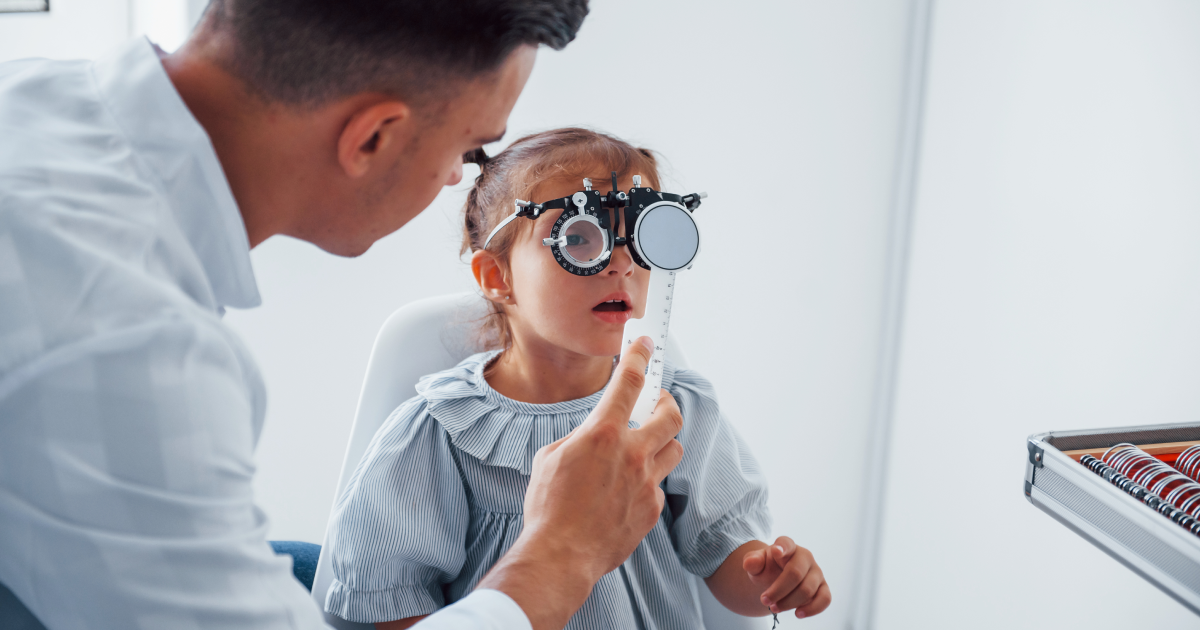
Children don’t always present in ways that are easy to understand when they have blurry vision, eye pain, or are struggling to read what is on the classroom board. They may just report a headache, come to sit very close to a screen, shy away from their school work, or rub their eyes out of comfort. It is up to us as parents to be aware of these issues which may present in our children and to act early. At Vasan Eye Care we provide a child focused consultation, diagnosis and appropriate eye treatments for a variety of pediatric eye issues.
Why Early Eye Care Matters
Good vision is key to learning, movement, confidence and also to that which is daily and natural. Many common eye diseases in children can be managed with early treatment which parents may not put in place due to delay in diagnosis which in turn may affect vision growth and school performance. Also what we in government health care report is the value of early diagnosis for issues like refractive errors, amblyopia, and strabismus which are in the child’s eye health.Parents should not wait for severe eye disease symptoms before visiting an eye hospital, because some children adjust to poor vision and may not complain.
What Are Eye Diseases in Children?
Eye diseases in children include conditions that affect focusing ability, eye alignment, eyelids, tear flow, the lens, the retina, or the surface of the eye. These concerns may be present from birth, appear during school age, develop after infection, or happen because of allergy, injury, or family history. Some common eye diseases in children are simple to treat with glasses or eye drops, while others need regular monitoring or advanced care from an ophthalmologist.
Common Eye Disease Symptoms Parents Should Notice
The early eye disease symptoms in children can be easy to miss. Parents should observe frequent squinting, watery eyes, redness, repeated rubbing, closing one eye, holding books very close, headache after reading, poor concentration, light sensitivity, or an eye that turns inward or outward. Sometimes these concerns show through behavior rather than direct complaints. A child may avoid reading, drawing, outdoor play, or screen learning because focusing feels uncomfortable. If these eye disease symptoms continue, an evaluation at an eye specialist hospital can help find the reason.
Eye diseases in children present with a variety of issues which may be present at birth, which develop at school age, which present after an infection, or which are a result of allergy, injury or family history. They may affect focus, eye alignment, the lids, tear drainage, the lens, the retina, or the eye’s surface. Some common eye diseases in children include conditions that are easy to treat with the use of glasses or eye drops, but also we see some which require close follow up or in which we have to use more advanced treatments which may include the care of an ophthalmologist.
| Symptom noticed at home | What it may indicate | Why parents should act |
| Sitting close to TV or board difficulty | Refractive error | The child may need glasses |
| One eye turning in or out | Squint or lazy eye risk | Early care can protect vision development |
| Red, itchy, watery eyes | Allergy or infection | Correct drops should be used only after diagnosis |
| White reflection in the pupil | Cataract or serious eye concern | Urgent eye evaluation is needed |
| Headache after reading | Focusing or eye power issue | Testing can reduce strain |
Refractive Errors in Children
Refractive errors which are very common eye diseases in children include myopia, hyperopia, and astigmatism. In such conditions light does not focus right on the retina which in turn causes blurred vision. These eye diseases in children are usually treated with prescription glasses and regular follow up as a child’s eye power may change with growth.
Amblyopia or Lazy Eye
Amblyopia is one of the common eye diseases in children which is that the brain uses the stronger eye and neglects the weaker one. The affected eye may appear normal which is why it’s identified through screening. Also parents may see that the child is closing one eye, tilting their head, or has trouble with depth perception. Treatment options may include use of glasses, eye patching, drops, or treatment of the cause of the weak vision.
Strabismus or Squint
Strabismus is a condition in which the eyes do not point in the same direction at once. It’s also a very present common eye disease in children which parents may see in the pictures or which play out in day to day life. This issue goes beyond what it has as a cosmetic issue only, in fact if left untreated it may also impact depth perception and increase risk of amblyopia. If you see eye turning, double vision or recurring eye disease symptoms, it is important to seek care early.
Eye Allergies and Conjunctivitis
Allergies and conjunctivitis are frequent eye diseases in children, which we see out in the change of seasons, at the start of the school year, in polluted air, or when there is dust. The kid may present with red eyes, itchy eyes, tearfulness, sticky discharge, swelling, or irritation. It is also important to note that any eye disease treatment including the use of steroid drops should be avoided unless they are prescribed by a health care professional. Treatment may include the use of artificial tears, anti allergy medications, antibiotics when required, hygiene instructions and also to avoid what triggers the issue.
Pediatric Cataract and Serious Eye Conditions
Although cataracts are more so in adults, kids may be born with them or develop them at a young age. White appearing pupils, poor response to visual stimuli, abnormal eye movements, or delayed visual development are signs of serious eye disease symptoms in children. Also serious are issues like congenital glaucoma, blocked tear ducts, ptosis, eye injury, retinal disorders, or eye tumors. These issues require proper diagnosis and should not be managed at home.
| Condition | Possible cause | Usual care direction |
| Refractive error | Eye focusing issue | Glasses and eye power checks |
| Amblyopia | Poor visual development in one eye | Glasses, patching, drops, or cause-based care |
| Strabismus | Eye alignment issue | Glasses, patching, exercises, or surgery |
| Eye allergy | Dust, pollen, rubbing, seasonal trigger | Anti-allergy care and trigger control |
| Pediatric cataract | Present from birth or develops later | Specialist evaluation and possible surgery |
Diagnosis and Treatment at Vasan Eye Care
At Vasan Eye Care we do a range of tests for eye diseases in children which include vision testing, refraction, eye alignment assessment, slit lamp exam, pupil assessment, retinal evaluation and we also do other tests as may be required. Also in most common eye diseases in children, diagnosis is not the end of it. We track the child’s improvement as they grow. A trusted eye specialist hospital can guide parents on what treatment path is best for their child which may include glasses, medicine, patching, surgery or watchful waiting.
Treatment o for eye diseases in children is based on the health issue at hand. For refractive errors we see in kids they usually get glasses, for amblyopia we may use patching, in case of infection we use medicine, for allergies we recommend trigger control, also some types of squint or cataract may require surgery. The best and safest eye treatments are provided by an eye specialist. Also it is important for parents to bring in for follow up as many eye issues improve over time.
When Should Parents Visit an Eye Specialist?
Parents are to take their kids for an eye check up if they see signs of repeated eye disease symptoms like squinting, rubbing, watering, redness, headaches, light sensitivity, poor performance in school, reading difficulties, eye turn, or atypical pupil reflection. Many common eye diseases in children are manageable if caught early. Also if the issue is a small one it’s worth a visit to the eye hospital to put parents at ease and to rule out any issues.
Prevention and Parent Awareness
Not all eye issues are preventable but parents can do a great job in promoting healthy vision through routine eye checks, good reading posture, safe screen time, protective gear during sports, hygiene, and out of the question self medication. Also take note of what the school reports as signs like difficulty in copying from the blackboard or loss of interest in reading may be the early eye disease symptoms. At the first sign of a problem get in to see your eye health professional before the issue grows into a larger concern.
Conclusion
Clear vision is of great importance for a child’s learning, confidence, and development. In terms of refractive errors, lazy eye, squint, allergies, infections and pediatric cataract we see that eye diseases in children present in many forms. If your child is showing recurrent symptoms which are of concern, bring them to Vasan Eye Care for pediatric eye evaluation, diagnosis and personalized care. We have a team of experienced doctors, modern diagnostic tools, and a structured approach to eye treatments which enables us to help families protect their child’s vision at the right time.
Frequently Asked Questions
The common eye diseases in children are refractive errors, amblyopia, strabismus, eye allergies, conjunctivitis, blocked tear duct, and pediatric cataract. A full eye exam is the way to determine the exact condition.
Parents look out for eye disease symptoms which include frequent eye rub, squinting, watering, redness, headaches, sitting very close to screens, difficulty with reading, or an eye turn. If you see these symptoms persist, report to an ophthalmologist.
Yes, that many eye diseases in children do see to be treated with glasses, eye drops, patching, medicine, monitoring, or even surgery. What we do in terms of treatment is based on the diagnosis, age of the child, and the severity of the condition.
Children should get an eye check up if they show signs which parents notice, if there is a report of childhood eye issues in the family, or if the teachers report vision related learning difficulties. Also routine exams are for the early detection of common eye disease common eye diseases in children.
Vasan Eye Care has a focus on pediatrics which includes diagnostic support, care from experienced ophthalmologists and treatment of eye diseases in children. We ask that parents bring their little ones to our nearest center for guidance and follow up.
Reference Links
- CDC – Keep an Eye on Your Child’s Vision
https://www.cdc.gov/vision-health/prevention/youth-vision-problems.html - National Eye Institute – Eye Conditions and Diseases
https://www.nei.nih.gov/eye-health-information/eye-conditions-and-diseases - MedlinePlus – Eye Diseases
https://medlineplus.gov/eyediseases.html