
Clear vision is what most people are after with cataract surgery which is why it’s tough when you get cloudy vision for a few days or it comes back at a later time. In most cases the eye is in the process of healing. That said, in some cases cloudy vision in one eye may be a sign of swelling, dryness, inflammation, posterior capsule opacification or another issue best evaluated by an eye specialist.
At Vasan Eye Care we take our patients through each step of cataract eye surgery from pre-surgery evaluation to post surgery follow up. We also present in this article which is the reason for cloudy vision post surgery, what recovery to expect, and when to ignore sudden cloudy vision.
What Does Cloudy Vision After Cataract Surgery Mean?
Cloudy vision is when your sight does not present sharp, bright, or clear. Some patients report it as seeing through mist, smoke, fog, or a dirty glass. Post op from cataract surgery this may happen because the eye has undergone a delicate procedure in which we remove the natural cloudy lens and put in an artificial intraocular lens and the eye requires time to adjust.
In the first few days you may see some mild haze which is normal, in particular if the cataract was advanced or the eye had issues like dryness, diabetes, cornea problems, or retina changes. However, cloudy vision in one eye that keeps getting worse, appears with pain, or starts suddenly should be checked without delay.
Is Cloudy Vision Normal in the First Few Days?
Mild cloudy vision in the initial days of repair is very typical. We see the cornea is still swollen, the pupil is in the process of adjusting and the eye drops which may cause blur. Within the first few days many patients report better which is great to see, full visual correction may take a few weeks which may vary with age, healing response, lens type and overall eye health.
The National Eye Institute reports that some patients may get posterior capsule opacification also known as secondary cataract in a few weeks, in a few months, or several years post operation, however the issue can be resolved with the help of a laser procedure. Also as per MedlinePlus they stress on the right aftercare, usage of eye drops, and that the patient avoid anything that would strain the eye as very much part of what is recommended for after cataract removal.
Common Causes of Cloudy Vision After Cataract Surgery
Corneal Swelling After Surgery
The cornea which is the clear outer layer of the eye after cataract eye surgery it at times may retain extra fluid for a short while. This swelling may produce cloudy vision, glare, halos, or a washed out appearance. It is also usually more noticeable in the morning but improves as the day goes on. Eye drops and follow up visits which help the doctor to monitor the healing process also play a role.
Eye Inflammation During Healing
Some inflammation is present during the normal repair process after cataract surgery. We give anti-inflammatory eye drops to manage this. If you miss a dose or stop too soon, your vision may stay cloudy for a greater time. Inflammation also causes the eye to be sensitive to light or may cause mild discomfort. Do not resume, stop, or alter the drops without first speaking to your doctor.
Dry Eye and Tear Film Changes
Dryness is a very present issue which causes variable results post laser cataract surgery or conventional surgery. The tear film plays a key role in producing a smooth visual surface. When it does break down we see in patients a burning, watering, heavy sensation, or cloudy vision in one eye and this may change while reading or using a phone. Dry eye related cloudy vision may improve with blink action, use of the eye drops the doctor has prescribed, and by reducing time on the screens during the recovery period.
Posterior Capsule Opacification
Posterior capsule opacity which is also known as PCO or secondary cataract is a typical cause for vision to become cloudy again after it had improved at first. During cataract surgery the natural lens is taken out but a thin capsule which supports the artificial lens is left in. Over time that capsule may become cloudy which in turn causes glare, poor contrast or again cloudy vision.
The NHS reports that it is not uncommon for vision to become cloudy months or which may be years after surgery from what is also a condition called posterior capsule opacification. Also at the NCBI’s cataract management resource it is reported that for which the condition is symptomatic the treatment is Nd laser capsulotomy which does a job of making a small opening in the capsule to which in effect allows light to pass which in turn which brings back clarity.
Change in Eye Power or Lens Adjustment
Some patients expect to have perfect vision immediately after cataract eye surgery, but what may determine final results is what lens was put in, eye power, astigmatism, and healing. Also at times we may prescribe small glasses for reading, computer use, or distance. What may feel like cloudy vision also at this point may in fact be healing as it should.
Retina or Macula-Related Changes
If you have cloudy vision in one eye which doesn’t improve despite the front part of the eye being healthy, we may need to look at the retina. Also there are conditions like diabetic eye disease, age related macular changes, or cystoid macular edema which may play a role post surgery. These issues may require retinal scans and specific treatment.
Infection or Pressure Changes
Rarely sudden cloudy vision is associated with infection, increased eye pressure, bleeding, lens position issues or retinal problems. Warning signs include pain, redness, headache, nausea, flashes, floaters, curtain like shadows, or a sudden loss in sight. The NHS reports infection, inflammation, bleeding, retinal detachment, and lens position issues as possible complications post cataract surgery.
Recovery Timeline for Cloudy Vision After Cataract Surgery
Every eye heals in a unique way, but we have a general timeline which we use to set expectations for our patients. The table below details how cloudy vision improves post surgery.
| Recovery Stage | What You May Notice | What It Usually Means |
| First 24 to 48 hours | Mild haze, watering, light sensitivity, scratchy feeling | Early healing after cataract eye surgery |
| First week | Vision improves but may fluctuate during the day | Swelling, dryness, and eye-drop effects may still be present |
| Two to four weeks | Clarity becomes more stable | Eye power and healing are settling |
| Five to six weeks | Most patients expect better clarity | Persistent cloudy vision needs evaluation |
| Months or years later | Vision becomes cloudy again after being clear | PCO or another eye condition may be present |
When Should Cloudy Vision in One Eye Be Checked?
Cloudy vision in one eye should be checked if it isn’t going away, if it comes back after your vision has improved, or if it is associated with discomfort. In some cases of one sided cloudiness it may be due to dryness or a different power in the glasses but also may be a result of swelling, PCO, retina changes, or pressure changes.
You should see an ophthalmologist right away if you have sudden cloudy vision which also includes pain, redness, flashes, new floaters, severe headache, or a dark shadow in your side vision. These are not issues you should try to manage at home. Also if cloudy vision in one eye is mild it is best to get it checked if it doesn’t follow the expected healing pattern.
How Doctors Diagnose the Cause of Cloudy Vision
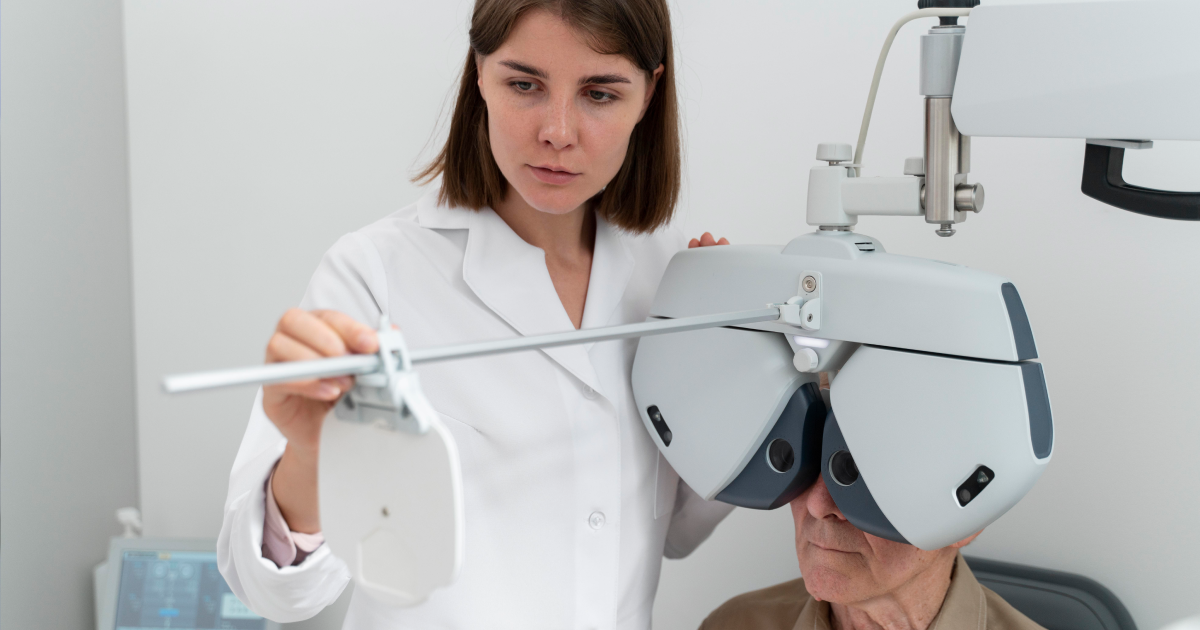
To determine the cause of cloudy vision the ophthalmologist will test vision clarity, eye pressure, health of the cornea, position of the lens, for signs of inflammation and also the health of the retina. We use the slit lamp which is a microscope that allows us to see the front and middle of the eye in great detail. Also we may order retinal imaging or an OCT if there is a suspect of macular edema or diabetic retinopathy.
If cloudy vision in one eye is a result of PCO the doctor may recommend YAG laser capsulotomy. If it is due to dryness, inflammation or swelling medications and lubricating drops may be duplicated. If sudden cloudy vision is a symptom of a retina issue acute care may be required.
Treatment Options for Cloudy Vision After Cataract Surgery
The treatment is based on what the cause is. If cloudy vision is a result of normal healing then we may just observe and prescribe eye drops. If dryness is the issue we put you on a lubricant and also suggest some lifestyle changes. Should we see swelling or inflammation we may put you on a specific eye drop regimen.
If the cause is posterior capsule opacification YAG laser treatment is an option. This is not the same as having to do cataract surgery again. It is a quick out patient laser procedure which is used to clear the hazy capsule behind the artificial lens. The National Eye Institute reports that secondary cataracts can be treated with laser.
Difference Between Normal and Concerning Cloudy Vision
| Situation | Usually Less Concerning | Needs Prompt Eye Check |
| Timing | Mild haze in the first few days | New haze after weeks, months, or years |
| Pattern | Gradual improvement | Worsening or sudden cloudy vision |
| Comfort | Mild scratchiness or watering | Pain, increasing redness, or severe light sensitivity |
| One-eye symptoms | Mild dryness-related cloudy vision in one eye | One-eye cloudiness with floaters, flashes, or shadow |
| Response | Improves with follow-up care | Does not improve after medicines or prescribed drops |
Can Laser Cataract Surgery Reduce Cloudiness?
Laser cataract surgery is used for greater precision in some steps of the procedure which is great, but recovery is still based on the patient’s eye health which includes the tear film, cornea, retina and how well they do with post operative care. Even after laser cataract surgery, some patients may experience temporary cloudy vision because the eye still needs time to heal.
The best results come from proper evaluation, choosing the right lens, following drop instructions, attending follow up appointments, and reporting any atypical symptoms early. Patients should never self medicate for sudden cloudy vision which may be a sign of a serious eye problem.
Tips to Support Clearer Recovery
A smooth recovery after cataract eye surgery is what you achieve with simple yet consistent care. As prescribed, use the eye drops, do not rub the operated eye, protect it from dust, and avoid heavy lifting until your doctor says otherwise. Wear protective glasses if your doc advises and don’t skip the follow up appointments even if your vision is improving.
Patients also should not use random eye drops for cloudy vision. The wrong drops may in fact cause dryness to worsen, delay the healing process, or to mask an important symptom. At which point of sudden cloudy vision you should call the eye hospital and get in to see a specialist.
Conclusion
Patients also should not use random eye drops for cloudy vision. The wrong drops may in fact cause dryness to worsen, delay the healing process, or to mask an important symptom. At which point of sudden cloudy vision you should call the eye hospital and get in to see a specialist.
At Vasan Eye Care we offer our patients’ evaluation, follow up guidance, and treatment support for vision changes after cataract surgery, laser cataract surgery, or cataract eye surgery. When your sight feels off we recommend a detailed eye exam which is the best way to determine the cause and in turn protect your vision.
Frequently Asked Questions
Mild cloudy vision which usually improves within few days, but full resolution may take few weeks. If the cloudiness does not improve past the expected recovery time or gets worse, an eye exam is recommended.
The fix depends on the cause. Dryness may need lubricating drops, inflammation may need prescribed medicines, and posterior capsule opacification may need YAG laser treatment. An ophthalmologist must first examine the eye before deciding treatment.
Many patients have reported to experience blurriness, dryness, glare, watering, or light sensitivity which in the main improve with healing and prescribed care, but if the symptoms last beyond the expected time frame they should be brought forward to the health care provider.
Vision at 5 weeks’ mark may be still blurry or cloudy which is a result of dry eye, swelling, inflammation, glasses power, PCO, or retina related changes. A follow up exam will identify the cause and guide treatment.
Reference
- National Eye Institute / NIH – Cataract Surgery
https://www.nei.nih.gov/eye-health-information/eye-conditions-and-diseases/cataracts/cataract-surgery - MedlinePlus / U.S. National Library of Medicine – Cataract Removal
https://medlineplus.gov/ency/article/002957.htm - MedlinePlus – Cataract Surgery Aftercare
https://medlineplus.gov/ency/presentations/100079_5.htm - NCBI Bookshelf – Cataracts in Adults: Management
https://www.ncbi.nlm.nih.gov/books/NBK536591/