
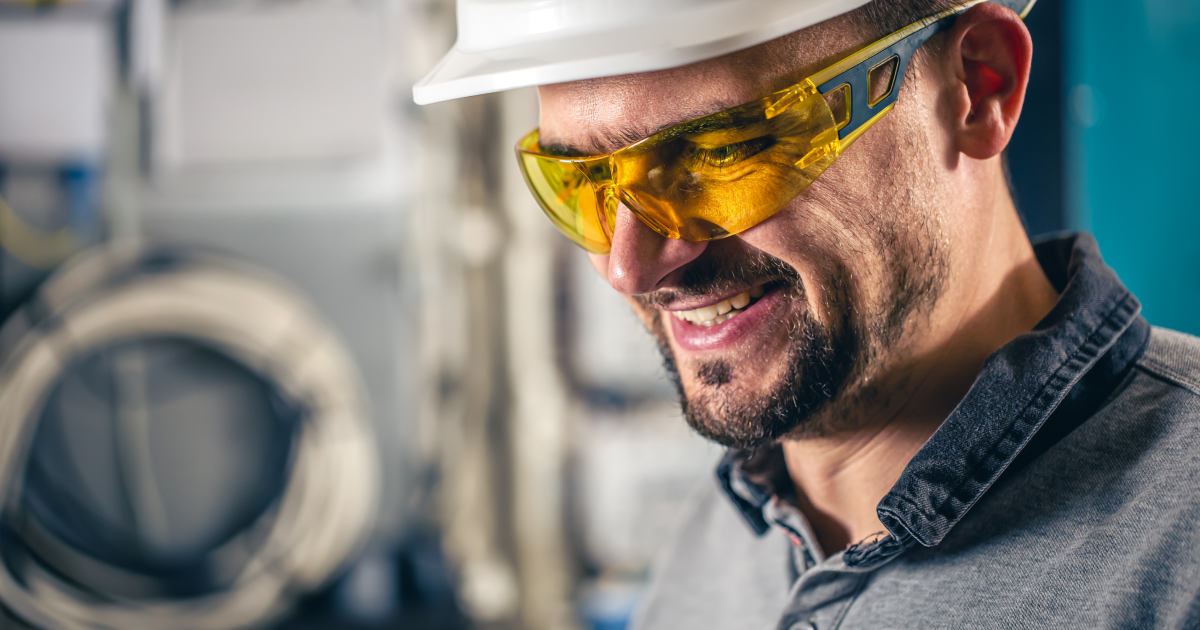
Industrial work is a high speed environment. We see sparks from the machines, we get chemical splashes, metal dust, wood chips from cutting actions, cement particles, we are blinded by welding flash, we have issues with pressurized air all the time which before we know it is in our eyes. That is which eye safety must be more than a point of compliance; it has to be a part of the work day routine. In factories, construction sites, labs, workshops, warehouses and maintenance areas we see preventable eye injuries which affect a person’s comfort, income, confidence, and long term vision.
In the case of Vasan Eye Care this is a very important issue which we see time and again that many of our patients approach us only after an injury has taken place. We feel a better approach is to identify the risks, choose the right protection and to bring in a visit to the eye care professional at the first sign of irritation, redness, pain, blurred vision, or foreign body sensation. Good workplace eye safety is not only about wearing glasses. For employers, workplace eye safety also means making protection easy to find, easy to wear, and easy to replace.
Why Vision Protection Matters at Work
A worker may think this task is only 2 minutes of my time, thus I don’t need protective gear. In fact many eye injuries in the workplace occur during ordinary tasks. Grinding, drilling, cutting, welding, chemical mixing, cleaning, polishing, spraying, and material handling are some of the processes that present eye hazards which are often overlooked until there is an issue. But strong eye safety practices keep workers’ confidence up, alert and productive without at the same time putting their vision at risk.
Official safety guidelines also support this practical approach. OSHA reports that employers must see to it that which workers are exposed to certain hazards like flying particles, molten metal, liquid chemicals, acids, caustic liquids, chemical gases or vapours, or what may be in the form of potentially harmful light radiation have appropriate eye or face protection. Also CDC/NIOSH recommends that workers use personal protective eyewear in the form of goggles, face shields, spectacles, or full face respirators and also that the eyewear is adjusted for the best coverage, comfort, and side vision.
Common Eye Hazards in Industrial Settings
Industrial settings present a variety of eye health issues. We see mechanical dangers which are fly chips, dust, sand, metal chips, glass, tool particles. Also we have chemical dangers like acid, alkali, solvents, cleaning solutions, paint, fuel, and lab solutions. Thermal danger from hot liquids, steam, molten metal, and extreme heat. Also we have optical danger from welding, lasers, UV exposure, and bright reflected light. Understanding these categories makes workplace eye safety easier to apply in real situations.
In many settings workers request industrial eye safety glasses without first determining which type is required: basic impact protection, sealed goggles, shaded welding glass, or a face shield which is used with goggles. This is an issue. While safety spectacles may work for some flying particle risks, goggles provide better sealed protection against splashes, dust, and certain chemicals. Face shields do protect more of the face but may not be enough when liquid splash can in from below or the sides. Also we note from HSE that eye hazards may include chemical or metal splash, dust, projectiles, gas, vapor or radiation and that PPE should be chosen based on the task at hand and also fit the individual worker.
Workplace Hazards and Suitable Eye Protection
| Workplace risk | Common examples | Suitable protection approach |
| Flying particles | Grinding, cutting, drilling, woodworking, stone work | Safety spectacles with side protection or impact-rated goggles |
| Chemical splash | Laboratory work, cleaning chemicals, acids, alkalis, solvents | Chemical splash goggles and face shield when needed |
| Dust and fine particles | Cement, powder handling, sanding, mining, packaging | Sealed goggles that reduce dust entry |
| Heat and molten material | Foundry work, welding support tasks, hot liquids | Face shield with appropriate goggles or task-specific protection |
| Light radiation | Welding, laser work, UV exposure | Filtered lenses, welding helmet, or special-purpose eye protection |
| Office and screen strain | Long digital work, dry indoor air, poor lighting | Screen breaks, blinking, proper lighting, and eye check-ups |
Choosing the Right Protective Eyewear
The appropriate level of protection is based on the hazard present, which may not always be what is most convenient. For instance clear safety glasses may do for low risk inspection work, but may not in the case of a chemical splash. For dusty or splash prone tasks sealed goggles may be a better choice. For welding which has high intensity light exposure, we require protective gear that is designed for that. That is why it is important to do a hazard assessment first before choosing what protective equipment to use. Also a documented eye protection plan for the work place can help teams to avoid guess work and to instead base their choices on what the task actually is.
Many firms buy industrial eye safety glasses in large quantities but workers may forgo use of them if the glasses fog up, slip out of place, scratch easily, put pressure on the nose or don’t allow side vision. Comfort is key to use. Every purchase order for industrial eyes safety glasses should consider lens type, side coverage, comfort, and task risk instead of price alone. The fit has to allow for clear vision, a good peripheral view and proper eye coverage. Also workers that wear prescription glasses should not rely on their regular specs as safety equipment. They may require prescription safety eyewear or over the glass protection that is task approved.
Indian and foreign authorities also put out that proper standards are a must. BIS associated documentation for eye protectors presents categories like safety spectacles, safety clip-ons, eye shields, and goggles which in turn include protection against high velocity particles, molten metals, chemical splashes, dust, gases, and vapours. OSHA also brings to notice recognized eye and face protection standards for protective devices.
Industrial Eye Safety Glasses Are Not All the Same
The phrase industrial eyes safety glasses is often used casually, but every work area has different needs. A carpenter may require side shield impact protection. A welder may need filtered lenses and a full helmet. Lab techs may require splash goggles. For a sanitation worker dealing out strong cleaning solutions we see that at minimum goggles with a face shield are required. Also a maintenance worker may have a different need for their eyewear from day to which day. A serious workplace eye safety plan gives workers the correct option for each task instead of assuming one design protects against everything.
Do Not Ignore Fit, Fogging, and Cleaning
Even at their best protective gear falls short when not used as intended. Weeps should be spot free, void of scratches and of sufficient clarity for best performance. Straps have to be tight. Side pieces should fit closely. In humid, hot, or mask wearing conditions anti fog features are a plus. Also important is how you store them dirty or worn out eyewear breaks visibility and increases chance of error. Good eye safety is also about comfort and performance which should be consistent throughout the shift. Also timely replacement of damaged industrial eye safety goggles is a part of this daily practice.
Building a Practical Eye Protection Policy
A great policy starts out by identifying which jobs have the greatest eye risk. After that it is a matter of choosing the right PPE, training staff, checking PPE use, and revising the policy as we see changes in the equipment, chemicals, or processes. Also we must see to it that emergency eyewash stations are present where chemical exposure is a concern. We also must inform workers of reporting procedures for damaged PPE and what to do in the case of a splash, foreign body, or burn. When workplace eye safety is reviewed regularly, small gaps can be corrected before they become serious injuries.
Remove hazards when you can, control them with engineering or process changes, and use PPE when risk is still present. The Ministry of Labour and Employment in India has brought out occupational safety material that reports on preventive measures and the use of right personal protective equipment and protective clothing which is what we turn to when other controls fail. This supports a tiered prevention approach: remove hazards when you can, control them with engineering or process changes, and use PPE when risk is still present.
A practical workplace eye safety program should also cover visitors, supervisors, contractors, and temporary staff. Eye injuries are a reality for any person present in the work environment whether they are a full time employee or a short term visitor. We put up signs, we train, and we make industrial eye safety glasses available at entry points which in turn will reduce accidental exposure. Also in the training we should include what protection is required for what task for instance at what level do we use eye safety glasses and at what level do we require goggles, shields or welding helmets.
Simple Eye Protection Checklist for Industrial Teams
| Checkpoint | What to confirm | Why it matters |
| Hazard review | Identify dust, splash, impact, radiation, heat, and vapour risks | It helps select protection based on the actual job |
| Correct eyewear | Match spectacles, goggles, face shields, or helmets to the task | One type of eyewear cannot protect against every hazard |
| Fit and comfort | Check seal, side coverage, fogging, pressure points, and visibility | Comfortable protection is more likely to be worn |
| Cleaning and storage | Keep lenses clean, dry, scratch-free, and stored safely | Clear lenses support safe, accurate work |
| Training | Teach when, how, and why to wear protection | Workers follow rules better when they understand the risk |
| Emergency response | Keep eyewash access and reporting steps clear | Quick action can reduce the severity of injury |
What to Do If Something Enters the Eye at Work
If dust, metal particles, chemicals, or small debris get in the eye, at first it is best to remain calm and careful. Do not rub the eye out which can cause cornea scratch or the particle to go in deeper. In case of a chemical splash immediately rinse the eye with clean running water or use an eyewash station and also report for medical help right away. If a particle seems stuck, vision becomes blurry, pain increases, or watering doesn’t stop, the worker should see an eye doctor as soon as possible.
At this stage access to eye care is key. In a specialized ophthalmic hospital doctors have the proper tools to do a full eye exam, they can identify corneal scrapes, remove shallow foreign objects safely, they will put forward appropriate medicine and also give instructions for follow up care. Delay in care can increase pain and may cause the issue to progress. While strong eye safety practices do reduce risk, at the time of an accident prompt care is of great importance.
Eye Strain Is Also a Workplace Safety Issue
Industrial workers are a narrow group of those that require protective measures. In the office we see designers, analysts, control room staff, customer support teams, and managers who put in very long hours at the screens. Although what they do is not the same as that of a laborer or a welder, it does cause issues like dryness, burning, watering, headaches, blurred vision and tired eyes. For this group which we may term as desk force, we see elements of workplace eye safety which include right screen distance, frequent blinking, breaks, proper lighting, and getting prescription checked when there is a change in vision.
Office workers should break the habit of sitting too close to the screen, also they should reduce glare from windows and position the monitor a bit below eye level which in addition will help break regular strain. Also note that dry indoor air and air conditioning may cause irritation. Also see to it that you do not ignore symptoms in case you have diabetes, thyroid issues, dry eye, are a contact lens user or get frequent headaches. A regular visit to an eye hospital may put in to your notice refractive errors, dry eye, computer vision issues, or early signs of eye disease.
Food, Lifestyle, and Vision Support
Nutrition is a support to safety eyewear, which in no way should take its place. We see that fruits like oranges, amla, guava, papaya, mango, and berries are put into our diet, and which in turn, supply us with vitamins and antioxidants for better health. Also included in a well rounded diet are leafy greens, carrots, nuts, seeds, eggs, and fish. But also remember, that the idea that which single food is best at protecting your eyes from an industrial injury is a fallacy. However, eating one “best fruit” will not prevent an industrial injury. The most reliable approach is a combination of eye safety, proper protection, regular eye check-ups, and healthy lifestyle habits.
Workers should pay attention to their sleep, hydration, smoking exposure, diabetes, blood pressure, and screen habits. These elements play a role in over time eye comfort and vision health. If a worker is experiencing blurred vision, headaches, dry eye, allergy, or eye pressure they should see an ophthalmologist.
How Vasan Eye Care Supports Safer Vision at Work
Vasan Eye Care is pushing for a culture which sees vision care as a daily practice among workers, employers, and families. Across all types of work environments from factories to workshops, labs, construction sites, warehouses, salons, hospitals, kitchens, and offices the eyes require the same focus as do helmets, gloves, masks, and safety shoes. The right workplace eye safety approach can prevent avoidable injuries and help workers focus better on their jobs.
If you experience symptoms such as pain, redness, watering, foreign body sensation, sudden blurred vision, chemical exposure, welding related discomfort, or repeated screen related eye strain it is advised that you book an appointment at Vasan Eye Care. At the eye specialist hospital we can determine the cause of your issue and put you on the right path to care. Also for industries we put forward eye check up camps and awareness sessions which help employees to learn how to use industrial eye safety glasses and other protective equipment properly. Keeping spare industrial eyes safety glasses in high-risk areas can also support faster compliance during urgent tasks.
FAQ
OSHA reports that it is the responsibility of employers to see that which employees are affected by hazards like flying particles, molten metal, liquid chemicals, acids, caustic liquids, chemical gases or vapours, or which may come into contact with potentially harmful light radiation have appropriate eye or face protection. Also put in plain terms if a job has a risk to the eyes then proper protection must be used. This is why workplace eye safety should be part of every industrial safety plan.
Office workers protect their health by which the screen should be at a good distance from the eyes, which also includes reducing glare, frequent blinking, use of proper lighting, taking breaks from the screen, staying hydrated, and in case of persistent headaches, dryness, blurred vision, or a burning sensation to get an eye check up. Office-based eye safety may not involve industrial eyes safety glasses, but it still needs daily care and regular eye examinations.
No single food source is going to protect your eyes from everything, but a diet which includes vitamins from fruits like oranges, amla, guava, papaya, mango, and berries will support overall eye health. For injury prevention we must combine nutrition with the use of protective eyewear, safe work practices, and prompt care from an eye hospital when symptoms do present.
Every 30 30 30 break is an easy way out for those that sit in front of screens for very long times. For about 30 minutes of screen work do 30 seconds of focus on something far away at about 30 feet. This will help to stretch the eye’s focus muscles out and in turn may reduce visual fatigue. It is not a replacement for medical care, but it can support everyday eye safety for screen users.
Reference Links
- OSHA – Eye and Face Protection Standard
https://www.osha.gov/laws-regs/regulations/standardnumber/1910/1910.133 - CDC/NIOSH – Eye Safety for Workers
https://www.cdc.gov/niosh/ppe/eye-safety/index.html - Ministry of Labour and Employment, Government of India – Occupational Safety Reference PDF
https://www.labour.gov.in/static/uploads/2026/05/ee246f790cad0b8e99c3828f34fa09a6.pdf