
Also people with a high degree of myopia may think that lasers are their only surgical solution. ICL eye surgery presents another alternative: an ophthalmologist will put in a selected lens in the eye without changing the cornea or removing the natural lens. In this guide we will cover suitability, implantation, recovery, risks and pricing.
What Is ICL Eye Surgery?
ICL eye surgery is a refractive procedure which is to reduce the use of glasses or contact lenses. A thin artificial lens is put through a small corneal opening and usually into position behind the iris and in front of the natural crystalline lens. As the natural lens stays in place this treatment is called phakic lens implantation.
Patients asking what is ICL surgery is may find out that it is different from cataract surgery. In cataract surgery we remove the natural cloudy lens, with ICL eye surgery we put in a corrective lens but do not remove your natural lens. Also known as phakic lenses which the FDA describes as implanted lenses that correct focusing errors and which also reduce the use of spectacles or contact lenses.
The term used for implantable collamer lens is that they are flexible posterior-chamber lenses. As per the approved model and prescription it may correct myopia or myopia with astigmatism.
Who May Be Suitable for ICL Eye Surgery?
ICL eye surgery may be an option for adults with stable refractive power, that is to say we are talking of patients which have had the same degree of myopia for a while now. Also we are talking of patients that have very high myopia or that for some reason do not do well with laser procedures. As for the assessment it may include refraction, health of the cornea, anterior chamber depth, size of the pupil, eye pressure, endothelial cell count and a dilated retinal exam.
Age, unstable prescription, pregnancy or breastfeeding, glaucoma, shallow anterior chambers, abnormal endothelial which present in the cornea and retina, and health issues related to healing may affect suitability. Examination is essential before implantable collamer lens surgery.
| Pre-surgery assessment | Purpose |
| Stable prescription | Supports accurate lens-power planning |
| Corneal and endothelial check | Assesses the health of the eye’s front surface |
| Anterior chamber measurement | Confirms adequate internal space |
| Dilated retinal examination | Detects retinal concerns associated with high myopia |
| Eye-pressure test | Screens for pressure-related risk |
How Is ICL Eye Surgery Performed?
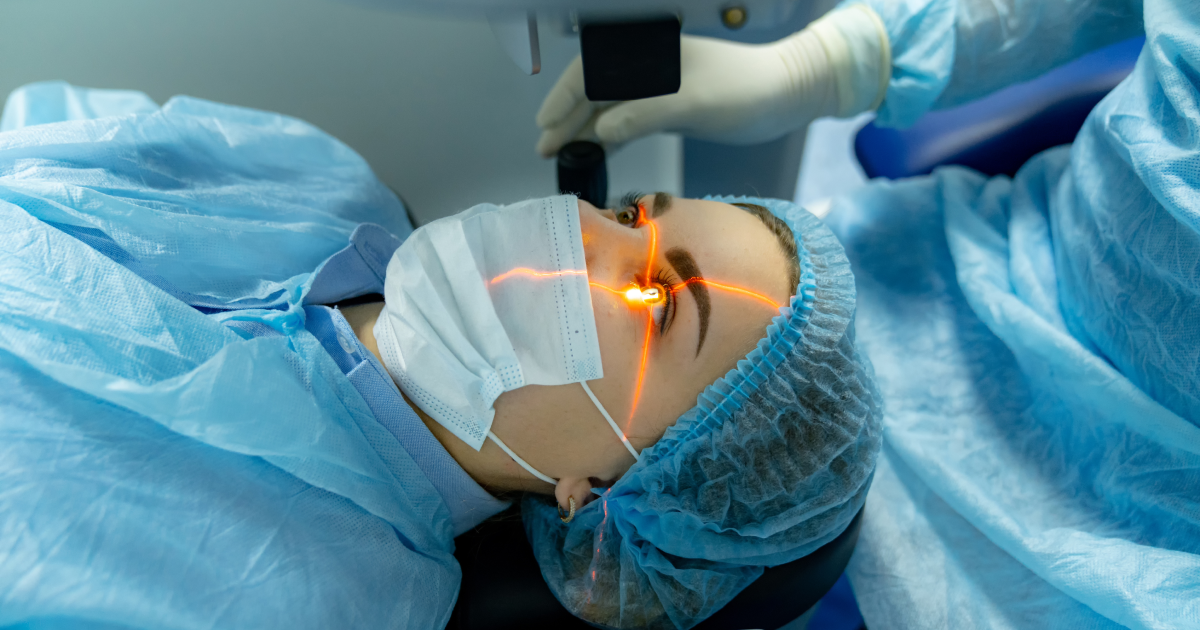
Before the ICL eye surgery patient’s measurements are used by the doctor to determine lens power and size. Anesthesia drops are usually applied along with other medication as needed. A small corneal incision is made which allows the folded lens to enter, unfold and position itself behind the iris in front of the natural lens. The procedure is typically done as out patient.
In practical terms what is ICL eye surgery? It is internal lens correction as opposed to corneal laser reshaping. Also some present designs have a center opening for better fluid flow. The doctor should go over with you which lens will be used.
| Procedure stage | What happens |
| Planning | Prescription, eye dimensions and ocular health are measured |
| Anaesthesia | The eye is numbed; sedation may be considered |
| Insertion | A folded lens enters through a small corneal incision |
| Positioning | The lens is placed behind the iris |
| Review | Vision, pressure, inflammation and lens position are checked |
Benefits and Limitations
A benefit of ICL eye surgery is that which does not remove corneal tissue. It may do well for certain patients with high prescriptions or corneas which do not do well with some laser procedures. The lens is put in for the long term and may be removed or replaced surgically when needed. However the FDA reports that removal does not guarantee a return to the eye’s former condition.
ICL eye surgery does not prevent presbyopia, cataract development or retinal disease in the future. Some people may still require glasses for certain tasks. Results depend on accurate measurements, appropriate eye anatomy, healing time and preexisting ocular health.
Is ICL Surgery Safe?
Patients frequently ask whether, is ICL surgery safe? It does provide effective correction in eyes that are appropriate for the procedure but no intraocular process is risk free. Complications may include glare, halos, over or under correction, raised eye pressure, inflammation, infection, cataract, endothelial cell loss, retinal detachment or that the lens will have to be repositioned, exchanged or removed.
FDA reports that approved EVO lenses have seen improvement in distance vision which is not universal. We see that in thorough pre procedure screening, having an experienced surgeon, and regular check ups that results in better safety in the ICL eye surgery. Should experience sudden pain, growing redness, nausea, light sensitivity which is noticeable or a change in vision bring that in for immediate medical care.
Recovery After ICL Eye Surgery
Vision may initially be hazy or light-sensitive after ICL eye surgery We will have you on a regimen of prescribed antibiotic and anti inflammatory drops which you must follow. You should also avoid rubbing the eye and do what the medical team advises in terms of bathing, exercise, driving, use of cosmetics, screen time, and work. Follow-up visits monitor eye pressure, inflammation, healing and lens position. Recovery varies, so the treating surgeon’s advice takes priority.
ICL Surgery Cost
ICL surgery cost is a variable which is determined by what type of lens is used, how they correct for astigmatism and prescription strength, also factored in are pre-op testing, surgeon skill, what the hospital has to offer, what drugs will be used, and post op care. It’s typical that the quote is per eye, we recommend getting a written out estimate. When comparing implantable collamer lens cost, cost should not be the only deciding factor. Very exact measurements, approval of the right lens, sterile environment and reliable after care play large roles in the success of the procedure. One quotation may exclude investigations or reviews, while another ICL surgery cost may include a broader package.
Conclusion
ICL eye surgery is a refractive error correction that does not include removal of the natural lens or reshaping of the cornea. For the right candidate this procedure may reduce dependence on glasses or contacts. As to whether ICL eye surgery is right for you, is it safe for a particular eye and if the benefits are worth the cost depends on individual measurements and specialist assessment.
Frequently Asked Questions
They have long term use in mind. May be changed at which point of time the state of the eye’s health has changed, the ICL position or your vision requirements do.
During ICL eye surgery the ICL is folded and put through a small corneal incision and placed behind the iris which at the same time preserves the natural lens.
ICL eye surgery may benefit a certain patient, but the decision should come after a full exam and a balanced discussion of benefits and risks.
It is the insertion of a corrective artificial lens into an eye which still has its natural lens. This is the basis of ICL eye surgery.
References
- FDA – What Are Phakic Lenses?
https://www.fda.gov/medical-devices/phakic-intraocular-lenses/what-are-phakic-lenses - National Eye Institute – Surgery for Refractive Errors
https://www.nei.nih.gov/eye-health-information/eye-conditions-and-diseases/refractive-errors/surgery-refractive-errors - Imperial College Healthcare NHS Trust – ICL Patient Guide
https://www.imperial.nhs.uk/-/media/website/patient-information-leaflets/ophthalmology/implantable-collamer-lens.pdf