
For individuals that are of a moderate to high degree of short sightedness glasses and contact lenses are a solution but not the only option. In implantable contact lenses of which LASIK is not a suitable fit for the cornea, eye prescription or visual requirements implantable contact lenses may be looked at as an option.
Unlike a standard contact lens which is placed on the eye’s surface, implantable contact lenses are put inside the eye while the natural lens stays in place. They are brought up for high myopia, thin corneas, or what may present as poor candidates for laser correction. It is important to understand the ICL pros and cons because this is an elective intraocular procedure not a routine contact-lens fit.
This guide goes over how the ICL eye procedure works, how it compares to LASIK, which patients are best for it, what recovery is like, and what risks you should talk about before surgery.
What Are Implantable Contact Lenses?
Implantable contact lenses are of a very thin design which when put in the eye they correct refractive error, which mostly includes short-sightedness and in some of the designs astigmatism also. Also known as phakic intraocular lenses which is a term used by ophthalmologists which refers to the fact that the natural lens is left in place.
A well talked about type is the implantable collamer lens which is put in behind the iris and in front of the natural lens. The material is designed for long term in eye use. While patients report that it is a permanent solution, in most cases the lens may be removed or replaced should it become issues down the road. Removal does not bring the eye back to its state pre-surgery, which is a note many patients do not always take into account when considering the procedure’s reversibility. which also is a note to which some do not always pay attention.
The FDA reports that phakic lenses are implanted devices which they use for correction of nearsightedness and which also reduce the need for glasses or typical contact lenses. Also it is put forth that what is suitable and what the risks are varies by patient and device.
The ICL Eye Procedure Work?
Before the ICL eye procedure the ophthalmologist measures the prescription, corneal thickness, pupil size, eye pressure, anterior chamber depth, and the lens pocket. The retina and optic nerve also may be evaluated in people with high myopia.
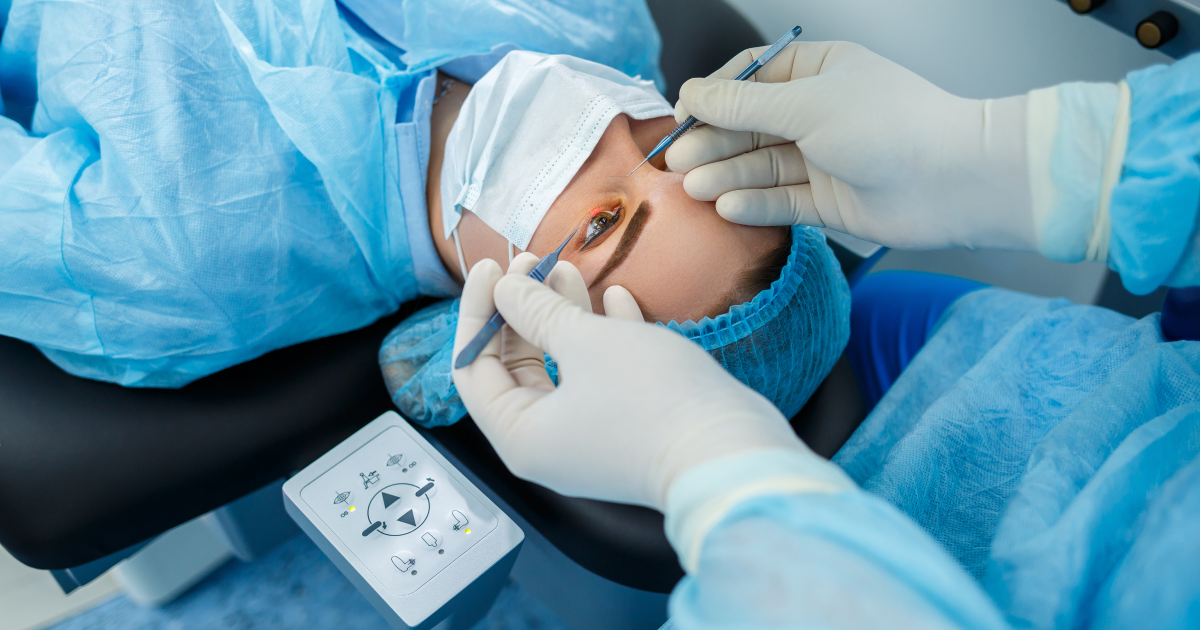
During the course of implantable collamer lens surgery the doctor makes a small incision in the cornea, introduces the folded lens, and places it within the eye. The natural cornea is not affected to the same degree as in the case of LASIK. Usually the procedure is done to one eye at a time or as the surgeon sees fit, with the use of numbing drops or local anesthetic.
After that which is the ICL eye procedure vision may see great improvement quickly but in the early outcome blur, glare, light sensitivity or mild discomfort may present. Follow up is a must to check in on eye pressure, inflammation, lens position, and the distance which is that which we refer to as the vault between the implanted lens and the natural lens.
Implantable Contact Lenses vs LASIK
After which the ICL eye procedure may see great results but in the short term what you may notice is blur, glare, light sensitivity or mild discomfort. Follow up is key to check eye pressure, inflammation, lens position, and what we call the vault which is the space between the artificial and natural lens.
| Factor | Implantable Lens Procedure | LASIK |
| Main method | A prescription lens is placed inside the eye | Corneal tissue is reshaped with a laser |
| Natural lens | Remains in place | Remains in place |
| Corneal tissue removal | No laser tissue removal | Corneal tissue is removed or reshaped |
| Common consideration | Higher prescriptions, thin corneas and selected dry-eye cases | Suitable corneal thickness, stable prescription and healthy ocular surface |
| Adjustability | Lens may sometimes be removed or exchanged | Corneal reshaping cannot be reversed |
| Key follow-up | Eye pressure, lens position, vault, natural lens and retina | Corneal healing, dryness, flap or surface recovery |
Suit which technique is superior is not the issue. What is key is corneal thickness, prescription range, state of the ocular surface, internal eye dimensions, and what the patient is expecting. A full exam is required before putting ICL pros and cons against laser surgery.
Who May Be Considered for Implantable Contact Lenses?
Potential also goes that most patients are adult with stable refractive error, health internal ocular structures, which also has to be of a certain size at the front of the eye, and also in it is expected that they will do well with the implant. For middle to high myopia we see the use of implantable contact lenses also when for some reason laser correction is not a good option.
The decision also includes evaluation of eye pressure, corneal endothelial cell count, pupil size, retinal health, past eye disease, and if the selected lens is a good fit for the patient’s prescription. The FDA says to be careful with refractive instability, shallow anterior chamber, abnormal iris anatomy, history of uveitis, glaucoma issues, retinal problems, or high risk of eye trauma. Cataracts, active eye inflammation, uncontrolled glaucoma, some corneal disorders, and unstable medical conditions may make someone unsuitable. Pregnancy and hormonal shifts can temporarily change a prescription, so the timing warrants discussion. These screening considerations help determine the ICL pros and cons for a particular person instead of relying on general success stories.
Advantages of Implantable Contact Lenses
One large benefit is that no corneal tissue removal which is required in some other procedures is a part of the process for implantable contact lenses. Also they may be a solution for thin cornea and very high refractive error issues. Also these lenses are able to correct a wide range of myopia as per what the device is approved for and the measurement of the eye.
The lens is left in the eye which means there is no daily care or replacement at home. Also this is a choice for those with dry eye issues in mind, though we still must assess and treat present dryness.
Modern reports of central port implantable collamer lens designs note very good visual and refractive results with low rates of serious complications in appropriate patient groups. In a 2023 review which reported on 3,399 eyes they also put forth that we see very good average safety and efficacy profiles which we noted out to be over a 2 year mark, while at the same time it is put forward that the issue of close monitoring is very much present. s it must also be noted that this is a procedure which takes place within the eye.
Limitations and Risks of Implantable Contact Lenses
Because of the invasive nature of implantable contact lenses which is in the realm of ophthalmic surgery these devices have a different set of issues as compared to that of traditional spectacles. We see reports of infection, inflammation, bleeding, increased eye pressure, glare, halos, double vision, night time vision impairment, cataract development, loss of corneal endothelial cells, retinal detachment, and also that in some cases a second procedure is required for the repositioning, removal or replacement of the lens.
The FDA reports that some complications lead to permanent vision loss, also we may see the need for more surgery and visual symptoms which in turn may cause issues with night driving. Also note that of position of the implant. If the vault is too low the placed lens may come to near the natural lens which in turn may increase the chance of cataract. If it is too high we may see that the drainage structures are damaged and eye pressure goes up. Toric lenses which we use for astigmatism may rotate and will likely require repositioning.
A study over an extended period which ran for 8 to 10 years reported that toric lenses do indeed provide useful correction for astigmatism, but also reported that some eyes developed anterior subcapsular cataract and a smaller number required lens removal which went on to have cataract surgery. This is to present that the ICL pros and cons picture should include short term clarity as well as long term eye health and Cons at a Glance.
| Potential Advantages | Possible Limitations |
| No laser removal of corneal tissue | Requires surgery inside the eye |
| May suit selected higher prescriptions | Not suitable for every eye |
| May be considered when corneas are thin | Cataract or raised eye pressure may occur |
| Lens may sometimes be removed or exchanged | Removal or exchange requires another procedure |
| Can correct myopia and selected astigmatism | Halos, glare, night-vision symptoms, or residual power may remain |
| Often provides rapid visual recovery | Lifelong eye examinations remain important |
In this table we present the ICL pros and cons which at the same time do not substitute for in depth personal evaluation. The same feature which is a pro for one patient may be a con for another.
What Tests Are Needed Before ICL Surgery?
A thorough evaluation which we do to reduce avoidable risk. Before we recommend implantable contact lenses we confirm that the prescription is stable and have the patient go through refraction, corneal mapping, pachymetry, eye pressure measurement, pupil assessment, anterior chamber dimension study, and endothelial cell analysis. We also may do a dilated retinal exam which is of great importance in high myopia.
The power and size of the implantable collamer lens is chosen based on these measurements. Also of note is that patients’ past health which may include history of glaucoma, retinal disease, inflammation, trauma, past surgeries, diabetes, pregnancy and also what medications they are on a regular basis.
The preop visit is also when we should discuss what you can expect in terms of visual quality, which may include the use of glasses for some tasks, that there will be difficulty with reading in the future, and also the estimated implantable collamer lens cost. The quoted implantable collamer lens cost may vary according to the type of lens, toric correction, diagnostic testing, hospital charges, surgeon fees, medicines, and follow up.
Recovery After Implantable Collamer Lens Surgery
After having had implantable collamer lens surgery patients are given by the doctor a course of antibiotic and anti inflammatory eye drops. Post op instructions will vary but in general the eye is to be protected from rubbing and also from exposure to water, dust, eye makeup and other strenuous activities which the surgeon will detail.
After the first follow up which takes place post ICL eye procedure it is important that they happen as eye pressure may have risen soon after the surgery. At later visits we look at vision, refraction, inflammation, vault, corneal cells, the natural lens, and the retina. It also may be that a patient’s ICL eye feels fine, and the vision is clear but in either case the set review times should be kept.
Most patients return to desk work in a short while, but we have individualized recovery plans. As for driving, exercise, and use of the computer that is to be resumed only at the ophthalmologist’s go ahead, which is after he has determined that healing is complete.
Can Implantable Contact Lenses Be Removed?
The lens can at times be removed or put in different positions if the power is not right, it rotates out of place, the vault is abnormal, eye pressure is high, or cataract develops. Also for removal we require another intraocular procedure which does not make the first surgery risk free. This is a very large element of any ICL pros and cons discussion.
Is ICL Better Than LASIK for High Power?
For certain individuals with high myopia implantable contact lenses do put out a greater range of correction or they may preserve more of the corneal tissue as an option in which case other methods such as LASIK, PRK, SMILE, glasses or routine contact lenses may still be what is best suited.
The best choice depends on the results of the ICL eye exam which in turn is based on corneal shape, tear film health, prescription, age, lifestyle, and long term expectations. High myopia also has an increased risk of retinal issues which means that even with correction of the prescription a close watch on the retina is required.
Clinical research supports ICL as a useful choice for carefully selected patients with moderate-to-high myopia, including some who are not suitable candidates for corneal laser surgery. Results are generally favourable when the eyes have been properly screened, although outcomes and risks differ from person to person. Cost and planning.
The implantable collamer lens cost is a topic to bring up after testing determines it is a good fit. Patients should ask which lens type is included in the quote, what the toric correction coverage is, what the diagnostic tests cost, what hospital and surgeon fees are, what medicines are factored in and what the follow up care costs. Price is a factor for sure but we put more value in accurate sizing, sterile surgery, proper equipment and quality postoperative care.
At Vasan Eye Care, a refractive evaluation can determine whether LASIK or implantable contact lenses suit the individual eye.
Making an Informed Decision
Choosing to have vision correction surgery should be after a full discussion of the benefits, risks, alternatives, recovery, long term follow up, and the total cost of treatment. Patients should know which lens will be used, the reason for the recommendation, what results to expect, and which symptoms require urgent attention.
Reviewing the issues related to ICL with a refractive surgeon supports informed consent. For a suitable patient implantable contact lenses may reduce spectacle dependence after the ICL pros and cons are known. For an unsuitable patient it is best to choose another option.
Frequently Asked Questions
Implantable contact lenses are for long term use but also may be removed or exchanged via a second procedure if health issues arise.
The ICL eye procedure typically involves the use of numbing medicine. While pressure or mild discomfort is common, severe pain post op requires prompt medical attention.
The primary ICL pros and cons are preservation of corneal tissue and treatment of a greater range of refractive errors which also present trade off against the risks of intraocular surgery, lifetime follow up, and the possibility of additional procedures.
A toric implantable collamer lens for correction of certain degrees of astigmatism. Proper alignment is a must as lens rotation will affect results.
No. The natural lens is present within the eye and also may develop an age related or post surgical cataract. Regular check ups are recommended.
Reference Links
- U.S. Food and Drug Administration – Phakic Intraocular Lenses
https://www.fda.gov/medical-devices/implants-and-prosthetics/phakic-intraocular-lenses - U.S. Food and Drug Administration – Are Phakic Lenses for You?
https://www.fda.gov/medical-devices/phakic-intraocular-lenses/are-phakic-lenses-you - U.S. Food and Drug Administration – What Are the Risks?
https://www.fda.gov/medical-devices/phakic-intraocular-lenses/what-are-risks - PubMed Central – Intraocular Implantable Collamer Lens with a Central Hole: Safety, Efficacy and Patient Outcomes
https://pmc.ncbi.nlm.nih.gov/articles/PMC10046236/ - PubMed – Posterior-Chamber Phakic Implantable Collamer Lenses with a Central Port: A Review
https://pubmed.ncbi.nlm.nih.gov/32841517/