
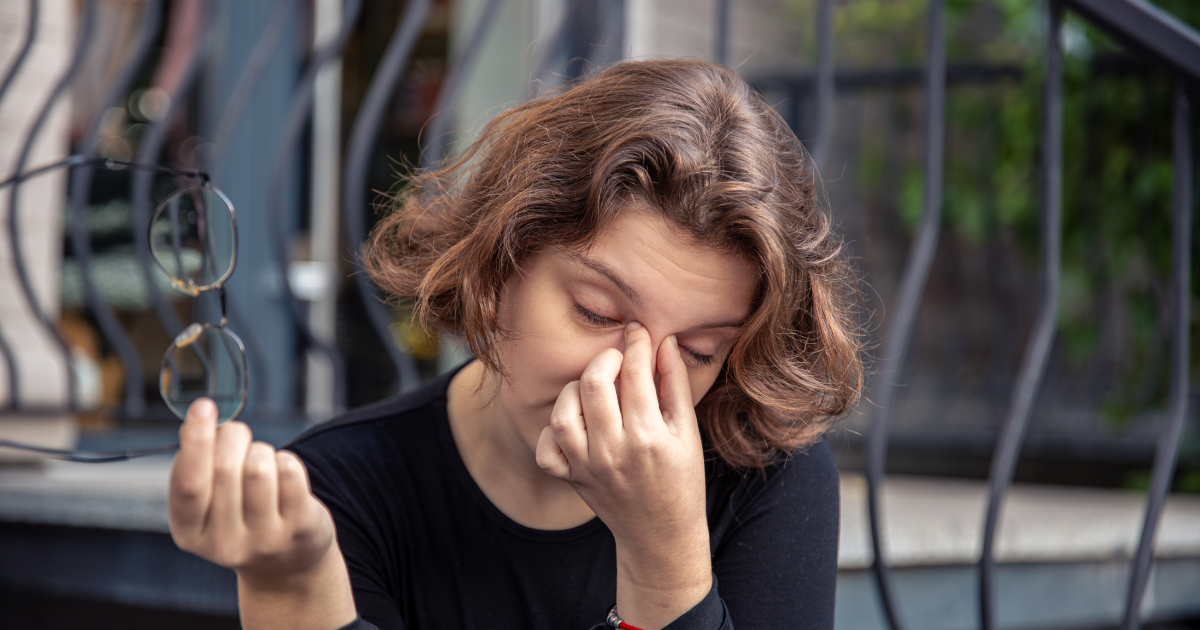
A burning, stinging or tired sensation may present itself as an issue for the eyes alone, but in fact persistent discomfort also impacts on sleep, focus at work and emotional health. Reports are growing of a connection between dry eye symptoms and issues like anxiety and depression.
This does not mean that all dry eye patients will experience mental health problems or that burnout is the only cause of it; they may present together in the same person and affect each other, which is why we see value in coordinated eye health care and intervention for emotional support.
What Is Dry Eye Disease?
Dry eye disease is caused by the eyes producing insufficient tears, tears evaporating too quickly, or the tear film which is a protective layer of oil, water and mucus which keeps the eye surface smooth, comfortable and clear breaking down. That protective layer which is made up of oil, water and mucus which leaves the eye surface clear and at ease may also become unstable which in turn triggers dry eye symptoms.
According to the National Eye Institute, we see that common dry eye symptoms are burning, stinging, scratchiness, redness, light sensitivity and blurred vision. Also irritated eyes may water out of response to the reflex tears which do not stay on the surface long enough to relieve the discomfort.
Common Dry Eye Symptoms and Their Daily Impact
The individual experience of dry eye symptoms from screen use is different. We see that some have mild symptoms which develop from extended screen time and more severe issues which get worse through the day. Also we note that symptoms fluctuate which in turn slows down reading, breaks concentration and which for some may make travel or sitting at a desk a challenge.
| Eye-related experience | Possible effect on daily life |
| Burning, grittiness or soreness | Irritability, distraction and reduced comfort |
| Fluctuating or blurred vision | Difficulty reading, driving or completing screen-based work |
| Light sensitivity | Avoidance of bright rooms, outdoor activities or social settings |
| Eye fatigue | Reduced productivity and greater mental exhaustion |
| Symptoms that worsen at night | Trouble relaxing, reading or preparing for sleep |
When dry eye symptoms are present in the course of daily activities people may start to avoid what triggers the discomfort. Reduced social and outdoor activity in time makes the condition feel more disabling.
What Research Says About Dry Eye and Mental Health
The system in the US National Library of Medicine reports that which is at play between people with dry eye disease and controls is that the former report higher levels of depression and anxiety. What we see is that the association is greater between what patients report and what they are experiencing as opposed to some of the clinical signs which may be more objective in nature, but it is important to note this is association which does not automatically point to cause and effect.
A patient may present with severe dry eye symptoms which in turn do not reflect moderate results of tear tests. Pain sensitivity, sleep issues, stress, drug effects and inflammatory conditions of the ocular surface play a role which in addition to clinical reports also includes everyday complaints.
The National Institute of Mental Health reports that chronic health issues play a role in depression via stress, activity limitations and medication issues. Persistent eye pain may fit this picture if it impacts work, sleep or independence.
Why Can Dry Eye Affect Emotional Well-Being?
Repetitious discomfort which in turn takes up attention, as when relief is only temporary or unexpected. Issues like work, night driving or air conditioned settings may bring that out which in turn increases stress and frustration.
Sleep also is a component of the cycle. Eye irritation also may leave you more awake at night and at the same time poor sleep may decrease your pain tolerance. Late-night screen use can aggravate dry eye symptoms because blinking often becomes less frequent. As reading, working, hobbies and social activities become difficult the risk of low mood or anxiety may increase which in turn may not be that of a psychiatric issue.
Can Anxiety or Depression Make Dry Eye Feel Worse?
In some cases the relationship is reciprocal. Anxiety can augment physical sensation awareness which in turn depression may cause poor sleep and low treatment adherence. What we see is that mental health issues’ report of dry eye symptoms issues is a more accurate indicator than some of the tear-film tests.
Some drugs used for depression, anxiety, allergies or blood pressure may cause dryness. The National Eye Institute reports that depression medications are among the factors which dry eyes. Do not stop or change your medication without speaking to your prescriber; eye and mental health professionals can work together in your care.
Understanding Dry Eyes Causes Beyond Mental Health
Stress is only one out of many. Also common are reduced tear production, rapid evaporation, aging, hormonal changes, contact lenses, screen exposure, dry air, smoke, medicines and autoimmune conditions like Sjögren syndrome.
Identifying the cause allows an ophthalmologist to tell the difference between evaporative dry eye which is a result of eyelid oil gland issues and aqueous-deficient dry eye which is a result of low production of watery tear fluid.
| Possible contributor | How it may affect the eyes | What an examination may assess |
| Long screen sessions | Reduced blinking and faster evaporation | Blink pattern, tear stability and work habits |
| Meibomian gland dysfunction | Poor oil layer and rapid tear evaporation | Eyelid margins and oil-gland function |
| Medicines | Reduced tear production or altered tear quality | Medication history and symptom timing |
| Autoimmune or metabolic illness | Tear-gland or ocular-surface changes | Medical history and relevant testing |
| Dry, windy or smoky environments | Faster evaporation and irritation | Exposure pattern and symptom triggers |
| Stress and poor sleep | Greater discomfort awareness and reduced recovery | Sleep, routine and overall symptom burden |
As many of these factors are present at the same time it is that which out of the blue eye drops which may provide only short term relief. For a in depth evaluation which is of use when discomfort is persistent or is into the daily routine we have the structured examination.
Diagnosis: Looking Beyond a Single Test
An ophthalmologist may look at the eyelids and ocular surface, also they will do a tear production test and report on tear break up time. Also from the National Eye Institute we learn of the slit lamp exam and Schirmer test. Past medical history is important as dry eye symptoms can fluctuate with screens, weather, sleep, medications and systemic health issues.
A full medical history may present a picture of many at once dry eyes. Patients to report at what point do dry eye symptoms impact sleep, work or social life which is for those with mental health issues also include reports of persistent eye discomfort.
Dry Eye Treatment Should Match the Cause
Care starts with a diagnosis as opposed to a trial of many products. Mild cases may improve with the use of lubricating drops and environmental changes, while more persistent disease may require prescription drops, eyelid care, meibomian gland therapy or punctal plugs.
The proper dry eye treatment is based on tear quality and quantity, eyelid health, inflammation, what medications you are on and any associated health conditions. Some people do well with short term support; others require more ongoing care.
A tailored plan may see to it that symptoms are more predictable which in turn may improve emotional burden. Also report that improvement may not be immediate especially with inflammation or oil-gland issues which is why consistency and follow up is key.
When there is a present issue of mental health, dry eye treatment should not take the place of counseling or psychiatric care, and emotional support should not substitute for an eye exam. Coordinated care which addresses both issues is what is put forth.
Dry Eye Syndrome Self-Care That Supports Comfort
Thought dry eye syndrome self-care supports medical treatment. For instance regular breaks from the screen, full blinking, lowering the screen a bit and staying away from air directed at you may reduce evaporation.
A humidifier is a help in dry rooms, for protection of eyes we have to wrap around glasses outdoors and getting enough sleep supports recovery. These actions are not to take the place of diagnosis when pain, redness or vision changes are present.
Patients that use lubricating drops should have professional guidance which is a must for frequent use or if you wear contact lenses. As for the dry eye syndrome self-care which you do yourself: avoid repeated use of redness relievers unless they are recommended to do so as they may not treat the cause.
A brief symptom report can improve dry eye syndrome self-care. Note down when symptoms occur, what activities you do, your sleep pattern and what home remedies you try which may help to identify what triggers your dry eyes causes which in turn may have been overlooked.
Building a Balanced Eye-and-Mind Care Plan
A balanced plan takes persistent dry eye symptoms seriously without assuming the worst. An ophthalmologist may do an evaluation of the ocular surface and put forward appropriate dry eye syndrome treatment, which may also include a mental health professional that can look at issues of anxiety, low mood or distress.
The goal is to not label each patient. We are to identify when dry eye symptoms are part of a cycle which includes stress, poor sleep, reduced activity or medication effects.
Patients that are looking into eye treatments should bring in their medication list and health history. This information is useful for the doctor to determine dry eye causes and to put together an evidence based plan.
When Should You Consult an Eye Doctor?
Arrange for an evaluation when you have dry eye symptoms that lasts or is an issue with your ability to read, do work, drive or sleep. Report right away for pain which is severe, very red eyes, discharge, light sensitivity or a sudden change in vision.
Seek professional assessment if home remedies for dry eye syndrome self-care fail, report to the eye doctor if wearing contact lenses causes pain or your symptoms get worse after changing medications. Always speak with the prescriber before stopping any prescribed drugs.
A clinician is able to identify what dry eyes cause you, which may be the tear film, eyelids, environment, medicines or another health issue. Early assessment which in turn may reduce the time you experience discomfort and uncertainty.
Can Dry Eye Treatment Improve Mental Well-Being?
Successful dry eye treatment can improve comfort, concentration, sleep and confidence but is not to say that it will cure depression or anxiety. We see that there is a link between dry eye symptoms, which is supported by research but what causes this and the exact role of dry eye in that is still under investigation.
Consistent dry eye syndrome self-care, eye follow up and emotional support which we find to be a more comprehensive approach than to address only one issue at a time.
Frequently Asked Questions
Dry eye does not automatically cause a mental health disorder, but persistent dry eye symptoms are associated with higher rates of anxiety and depression in research.
Stress may not only bring to light existing discomfort but also interrupt sleep and routine. This can in turn cause dry eye symptoms to be felt more acutely.
Common dry eye causes are from reduced tear production, rapid tear evaporation, screen use, aging, dry environments, contact lenses, medications and autoimmune conditions.
At the start of dry eye treatment we do an eye exam to determine if the primary issue is with tear production or quality, lids, inflammation or some other condition.
Dry eye syndrome self-care is managed at home for mild symptoms and which also supports medical care, but if you have persistent pain, redness or vision changes you should see an eye care professional.
Some antidepressants can also cause dry eyes in some patients. Do not discontinue your medication; report your symptoms to the prescriber and an ophthalmologist.
Response to dry eye treatment is variable. What we see is that mild cases may improve rather quickly, at the same time more severe issues like inflammation or gland dysfunction may require many weeks of treatment and close follow up.
Seek immediate care for severe pain, sudden vision change, intense redness, injury or marked light sensitivity instead of which you may do dry eye syndrome self-care.
References
- National Eye Institute: Dry Eye
https://www.nei.nih.gov/eye-health-information/eye-conditions-and-diseases/dry-eye - National Eye Institute: Causes of Dry Eye
https://www.nei.nih.gov/eye-health-information/eye-conditions-and-diseases/dry-eye/causes-dry-eye - National Institute of Mental Health: Chronic Illness and Mental Health
https://www.nimh.nih.gov/health/publications/chronic-illness-mental-health - PubMed Central: Dry Eye Disease and Psychiatric Disorders—Systematic Review and Meta-analysis
https://pmc.ncbi.nlm.nih.gov/articles/PMC9297048/ - PubMed Central: Depression and Anxiety in Dry Eye Disease—Systematic Review and Meta-analysis
https://pmc.ncbi.nlm.nih.gov/articles/PMC5177754/