
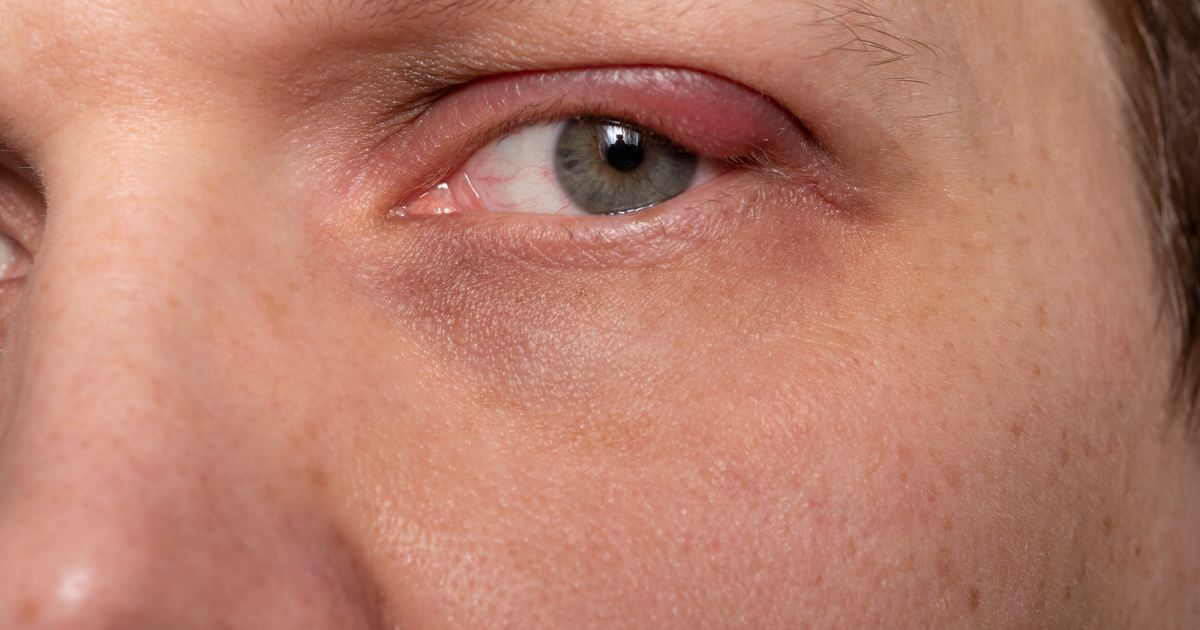
Blepharitis is a very common issue which sees the edge of the eyelid become inflamed, irritated and uncomfortable. It may cause redness, itching, burning, a crusty discharge around the eyelashes and a grittiness which may be misperceived as there being something in the eye. While it is not usually a serious or contagious condition, the fact that it tends to return is why it is more so that you have a consistent blepharitis treatment plan which is key rather than a one time solution.
Understanding blepharitis symptoms, possible blepharitis causes and the different types of blepharitis can help patients recognise a flare-up early. Many that search for how to treat blepharitis are looking for a permanent solution but in fact management is directed at cleaning out the lid margins, improving oil flow from the glands and in control of present infections or inflammation.
What Is Blepharitis?
Blepharitis is a condition which affects the eyelid margins, in particular the area around the eyelashes and the meibomian glands which produce oil for the tear film and which also play a role in tear conservation. If the eyelid edge becomes inflamed or the glands become blocked up the eye may feel dry, sore or unstable.
The National Eye Institute reports that the issue which they note most often is the appearance of red, swollen and itchy eyelids with a crusty flake-like discharge around the eyelashes. Also, they report that routine eyelid cleaning is the base of the blepharitis treatment, but that some patients may require antibiotics, steroid drops or artificial tears under medical supervision. Read the National Eye Institute overview.
Recurrent blepharitis is an issue which often means that a long term blepharitis treatment plan is preferred to an intermittent one. In the how to treat blepharitis, also see how you can break the cycle of flares up daily, and report on the related skin and tear film issues you have.
Common Signs and Symptoms
Typical blepharitis symptoms are itchy and painful lids, burning, redness, watery eyes, a sandiness in the eye and scales at the base of the eyelashes. Some report that upon waking the eyelids have a sticky feeling or that crusty discharge causes the lashes to clump together.
Other blepharitis symptoms include fluctuating blurred vision, tear film that may appear foamy, increased blink rate and discomfort which may present while wearing contact lenses. As these signs also present in cases of allergy, conjunctivitis and dry eye it is best to have an eye examination at an eye hospital to help identify the true source of irritation.
The NHS reports that if you have eyelid inflammation with also present eye pain, very red eyes or changes in vision to see a health care professional as soon as possible. Also they say to avoid contact lenses and eye make up during a flare up. Review the NHS guidance on blepharitis.
| What you may notice | What it may indicate |
| Flakes or crusts at the lash roots | Inflammation along the front eyelid margin |
| Burning, grittiness or fluctuating vision | Tear-film instability or associated dry eye |
| Oily, thickened or blocked lid margins | Meibomian gland dysfunction |
| Eyelids sticking together in the morning | Accumulated oil, debris or discharge |
| Pain, marked redness or reduced vision | A reason to arrange prompt medical evaluation |
Persistent ocular lid issues should not be treated with home remedies alone. A clinician may examine the eyes, the oil glands at the lid margins, the tear film, and the corneal surface prior to a course of blepharitis treatment.
Main Blepharitis Causes
Common blepharitis causes are an overgrowth of normal skin bacteria, dandruff which is also known as seborrhoeic dermatitis, facial rosacea and clogged meibomian glands. In some patients we see that demodex mites play a role in which you may notice a sleeve like debris at the base of the lashes.
In some individuals, the primary blepharitis causes is oily skin and dandruff, in others we see poor oil flow from the eyelid glands. Allergies, cosmetics, contact lens irritation and environmental dryness may play a role in increasing discomfort but they are not the sole cause in all cases.
MedlinePlus, which is a service of the US National Library of Medicine, reports that blepharitis is caused by bacterial overgrowth, changes in the normal eyelid oils and Demodex mites. Also linked to the condition are seborrhoeic dermatitis and rosacea. See the MedlinePlus medical overview.
Ident out what is causing the issue which in turn allows the ophthalmologist to choose the best eye treatments for each person instead of a one size fits all approach.
Understanding the Main Forms
The primary types of blepharitis are that of the anterior and posterior variety. Some patients present with elements of both and are labeled as having mixed blepharitis. Identifying what part of the eyelid is affected is a key to daily care.
Anterior blepharitis at the outside edge which is where the eyelashes attach. Of the different types of blepharitis, this type is also very common in relation to bacteria, dandruff, skin irritation or debris around the lashes.
Posterior blepharitis affects the inner eyelid margin and also the meibomian glands. Of the many types of blepharitis that exist this is very much related to thick secretions from the glands and also to rosacea. In the event the tear film’s oil layer is insufficient patients may also require dry eye treatment.
| Type | Area affected | Typical features | Usual management focus |
| Anterior blepharitis | Front lid edge and eyelash roots | Flakes, crusting, redness and itching | Lash-line hygiene and treatment of skin or bacterial factors |
| Posterior blepharitis | Inner lid edge and meibomian glands | Thickened oil, blocked glands, burning and dryness | Warm compresses, gentle massage and tear-film support |
| Mixed blepharitis | Front and back eyelid margins | Combined crusting, blockage and irritation | A personalised routine addressing both areas |
A slit lamp study is a tool which we use to identify what types of blepharitis you have and also to see if there are associated issues like dry eye, stye, chalazion or corneal irritation. Persistent cases should be assessed at an eye hospital rather than treated repeatedly with over-the-counter products alone.
How to Treat Blepharitis Safely
For in the great majority of cases the base of blepharitis treatment is good lid hygiene. A well warm compress applied to closed eyes will help to break up crusting and thickened oil. Gently massaging may stimulate oil flow through the glands, while also very carefully cleaning out the lash line of loose debris.
Patients asking how to treat blepharitis at home should use clean hands, a fresh cloth or as the doctor recommends an eyelid wipe and water which is warm to the touch not hot. Gently clean the lids without rubbing the skin or the eye.
A practical blepharitis treatment routine includes the application of heat for several minutes, gentle massage of the closed eyelids and cleaning at the eyelash margin. During a flare up, care may be more frequent; once the condition improves, a maintenance routine may help to reduce recurrences.
The question of how to treat blepharitis becomes more complex when home care is not sufficient. Based on the results of the exam an ophthalmologist may prescribe antibiotic ointment, antibiotic drops, short term anti-inflammatory medication, lubricating drops or some other targeted therapy. Prescribed medicines should not be shared or used without professional guidance.
Effective in blepharitis treatment also includes attention to related issues. For dandruff we look at scalp care, for rosacea we turn to dermatological management, and for unstable tears we see benefit in dry eye treatment. Crusts may be attended to but the base issue left alone will only result in a return of symptoms.
Medical Blepharitis Treatment Options
When proper eyelid hygiene is not enough to improve the condition we may turn to medical blepharitis treatment. Antibiotics in the form of ointments or drops are an option if a bacterial cause is present. In some cases we may also try oral medication which may include antibiotics, anti-inflammatories or anti-rosacea drugs in particular when meibomian gland issues or rosacea is a large factor.
Short term use of steroids containing eye drops and ointments may also reduce inflammation but they have to be supervised very closely as improper use can cause an increase in eye pressure or put you at risk for an infection. Also other eye treatments, which include artificial tears may help in the case of impaired tear film.
Patients often ask how to treat blepharitis when Demodex is suspected. Diagnosis is primary as treatment may vary from that of bacterial or seborrhoeic disease. The health care provider may put forward a certain eyelid product or prescription therapy instead of heavy home mixtures which may irritate the eye.
In the case of chronic blepharitis treatment plan which includes lid hygiene, gland care, medications and follow up is used. Treatment is adjusted according to the severity of symptoms, response to the therapy and also any corneal or tear film changes.
How Is Blepharitis Diagnosed?
Diagnosis which in turn leads to a better blepharitis treatment plan also begins with a discussion of blepharitis symptoms, skin issues, allergies, contact lens care practices, cosmetic use and past treatment. The doctor may use magnification to look at the eyelid margins, check for flakes or mites, study the meibomian glands’ function and evaluate the tear film.
Recognizing what types of blepharitis you have is important as anterior blepharitis and posterior meibomian gland dysfunction may require different treatments. Also the exam rules out allergies, conjunctivitis, stye, chalazion and other conditions which present like blepharitis.
A visit to an eye hospital is especially important when symptoms return, in one eye the issue is more severe, lashes are falling out, the eyelid shape is changing or vision is affected.
Can Blepharitis Cause Dry Eye or Other Problems?
Blepharitis and dry eye are also common in the same patient. When the eyelid oil glands are out of order, tears may dry up too soon causing burning, grittiness and fluctuating vision. In such a case blepharitis treatment may have to be put forward along with dry eye treatment.
Good care for blepharitis treatment may reduce the chance of it coming back. Which may also see a return of styes, chalazia, loss or abnormal growth of eyelashes, chronic red eye and in some cases corneal irritation. Also do not ignore signs of worsening blepharitis symptoms which include pain, light sensitivity or blurred vision.
The National Eye Institute reports that blepharitis may cause dry eye, styes, chalazia, abnormal lash growth, and corneal damage in serious cases.
Daily Management and Prevention
Consistency is key in that blepharitis treatment often goes beyond when the discomfort subsides. Even once blepharitis symptoms have improved it is important to practice gentle eyelid care which in turn may prevent flares. Do not share towels, eye make up and eyelid products, and outdated or contaminated cosmetics should be thrown away.
Understanding how to treat blepharitis also means knowing what to avoid. Vigorous rubbing, very hot compresses, unprescribed antibiotics or steroids and heavy essential oil mixtures may aggravate symptoms. Contact lenses and eye make up are best avoided during flares of discomfort unless an ophthalmic professional says it is .
People who have repeated episodes should look into the blepharitis causes, which include dandruff, rosacea, blocked oil glands in the eyelids, and poor dry eye control. Following the blepharitis treatment plan as recommended will make the symptoms much more manageable.
At Vasan Eye Care, patients can access evaluation for eyelid inflammation, tear-film problems and related eye treatments. Internal resources on dry eye treatment, available eye treatments and finding an eye hospital can support the next step in care.
When Should You See an Eye Doctor?
Seek professional blepharitis treatment advice and arrange an examination when blepharitis symptoms continue despite regular cleaning, when the blepharitis is very recurring or is disruptive to your day to day life. Also prompt in to see your doctor when you have eye pain, severe swelling, light sensitivity, very red eyes, discharge from the eye or any change in vision.
An ophthalmologist may look into what blepharitis causes, determine which types of blepharitis it is and present a safer blepharitis treatment plan. Also at the first sign of it we may detect dry eye, infection, corneal involvement or an eyelid lump.
Frequently Asked Questions
No. Blepharitis in general is non contagious although proper hand and lid hygiene is very much recommended.
Early blepharitis symptoms may present as itchy, burning, gritty eyes, mild redness and flakey skin around the eyelashes.
Frequent blepharitis causes are bacterial overgrowth, dandruff, rosacea and blocked meibomian glands.
Main types of blepharitis are anterior, posterior and mixed.
For people wondering how to treat blepharitis, warm compresses, gentle massage and lash line cleaning are put forth as common solutions, but if symptoms persist you should see a health care provider.
Blepharitis often recurs. Regular care and the right blepharitis treatment can control symptoms and reduce flare-ups.
At times antibiotics are given out when we think in terms of bacterial infection or when hygiene doesn’t do the job.
It may cause some temporary blurred vision. Pain, persistent blur or vision loss requires you to see a doctor right away.
References
- National Eye Institute, “Blepharitis”:
https://www.nei.nih.gov/eye-health-information/eye-conditions-and-diseases/blepharitis - MedlinePlus Medical Encyclopedia, “Blepharitis”:
https://medlineplus.gov/ency/article/001619.htm - NHS, “Blepharitis”:
https://www.nhs.uk/conditions/blepharitis/ - Guy’s and St Thomas’ NHS Foundation Trust, “Blepharitis”:
https://www.guysandstthomas.nhs.uk/health-information/blepharitis