
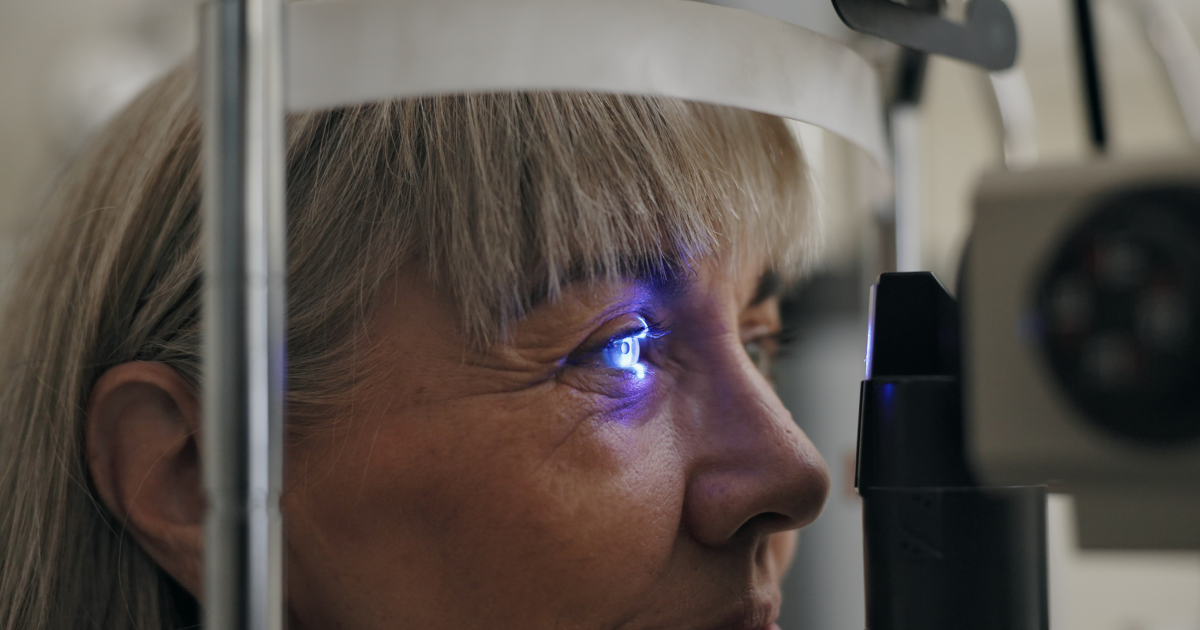
Growing with age changes how the eyes focus, adapt to light, and produce tears. Also it should not be accepted that vision loss is a given with age. Some age-related eye conditions progress very slowly, while others may change in a way which is at first put down to tiredness, poor lighting, or an outdated spectacle prescription.
People often search for common eye problems in elderly adults only after reading, driving, recognizing faces, or walking in new environments. It is safer to understand the signs and symptoms of eye problems before vision begins to limit daily life. Regular comprehensive eye examinations are important because glaucoma, diabetic retinopathy, and early age related macular degeneration that may present with few or no symptoms. Also, as per the National Eye Institute report we are able to detect many eye health issues that may lead to severe vision loss if caught early through routine dilated exams.
Why Vision Changes With Age
With passage of time the natural lens becomes more rigid, pupils’ reaction to changes in light may be slower, and the tear film may break down. Presbyopia which by the mid forties often appears, causes difficulty with close work because the lens does not focus as well on near objects. It is usually managed with reading glasses, contact lenses, prescription medications for eye wear or other vision correction options.
Not all changes are harmless. We see that different eye conditions do affect the lens, retina, macula, optic nerve, retinal blood vessels, eyelids, or the ocular surface. Also it is because many diseases present with the same blur or glare that the tell tale between normal age related changes and disease is not always present just via symptoms. Thus in discussion of common eye problems in elderly adults we include both routine focusing changes and health of the eye conditions that require a medical work up. That which recognizes the signs and symptoms of eye problems is what a person uses to determine when to get in to see the eye care professional right away.
Common Age-Related Vision Problems
| Condition | Changes a person may notice | Why examination matters |
| Presbyopia | Small print appears blurred, reading material must be held farther away, or close work causes strain | Confirms whether the problem is a normal focusing change or another cause |
| Cataract | Cloudy vision, faded colours, glare, halos, frequent prescription changes, or poor night vision | Shows how much the lens has clouded and whether daily activities are affected |
| Glaucoma | Often no early symptom; later, side vision may gradually narrow | Eye-pressure, optic-nerve, and visual-field tests can detect damage |
| Age-related macular degeneration | Wavy lines, blurred central vision, dull colours, or difficulty recognising faces | Retinal examination and imaging can identify macular changes |
| Diabetic retinopathy | Frequently silent at first; later, blur, floaters, dark areas, or fluctuating sight | A dilated retinal examination can detect damaged or leaking vessels |
| Dry eye disease | Burning, grittiness, watering, redness, light sensitivity, or intermittent blur | Tear-film and ocular-surface tests help identify the cause |
These eye conditions present with similar symptoms. Glare is a feature of cataract or dry eye, and blurred vision may be due to a change in prescription, retinal disease, diabetes, or corneal problems. As families look at common eye problems in elderly relatives, they should eschew self diagnosis. The signs and symptoms of eye problems are warning signs but do not point to the cause by themselves.
Cataract: Cloudy Vision, Glare, and Faded Colours
A cataract develops when the natural clear lens of the eye becomes cloudy. Age is the primary risk factor but also put forth is that diabetes, smoking, ultraviolet exposure, certain medications, past eye injury, and other causes play a role. As for what you may see, it may include cloudy vision, color which has dulled in intensity, glare from light which may be the sun or headlights, halos, reduced nighttime vision, double vision in one eye, and frequent changes in spectacle prescription.
Among age related eye conditions, cataract is the one that progresses slowly. A person may gradually stop night time driving, increase screen brightness, or avoid reading. As cataract starts to affect routine activities a person may stop for a while. At that point an ophthalmologist may bring up the topic of cataract surgery which consists of removing the clouded lens and in place putting in an artificial intra ocular lens. That decision is based on exam results, daily visual requirements, and overall eye health, which in turn may not always be a function of age.
Parents that are researching common eye problems in elderly citizens report that gradual glare and faded colors are present. These may be signs and symptoms of eye problem, but a visit to the eye doctor is needed to confirm a cataract.
Glaucoma: A Silent Risk to Side Vision
Glaucoma is a set of eye conditions that damage the optic nerve. In the most common open angle form it is usually very slow to present with symptoms. Side vision may waste away so slowly that the issue is not noticed until the damage is quite advanced. A full dilated eye exam, which includes assessment of the optic nerve, measurement of eye pressure, and visual field testing is what we use to identify glaucoma. Early care can save what vision you have left, which is to say that we can’t reverse damage which is already done.
Glaucoma is one of the most easily overlooked eye conditions in adulthood. Risk may go up with age, family history, diabetes, high myopia, past eye injury, or certain clinical signs. In the case of common eye problems in elderly note that pain free eyes and what may appear to be normal central vision do not rule out the disease.
Sudden very severe eye pain, redness, blurred vision, headache, nausea, or halos are seen in acute angle closure glaucoma which is a glaucoma emergency. At any time these signs and symptoms of eye problems should not be put off till a routine visit. Per type and stage of glaucoma treatment may include pressure lowering drops, laser procedures, surgery, or a combination of care.
Age-Related Macular Degeneration: Distorted Central Vision
Age related macular degeneration, or AMD, affects the macula, which is the retinal area that has to do with detail in your central vision. In the early stages of the disease may be asymptomatic. As it progresses, straight lines may take on a wavy appearance, the center of what you see may become blurred or blank out, colors may appear drab, and you may have trouble with reading or recognizing faces.
Unlike some eye conditions that cause a general decline in vision, AMD affects the which of vision that is used for faces and for fine detail like reading. In terms of what to look for when discussing common eye problems in elderly family members which have reported eye issues, it is important to take note if they report that door frames look bent or that print appears distorted. Also report of wavy lines is a very important sign and symptom of an eye problem that requires prompt retinal evaluation.
Treatment is based on the type and stage of the disease. In some cases of dry AMD we may put patients on a certain supplement regimen, but wet AMD may require retinal injections or other interventions. Supplements are an addition to, not a replacement of, diagnosis which should always be done under clinical care.
Diabetic Retinopathy: Damage That Can Begin Without Symptoms
Diabetic retinopathy is a result of diabetes that affects small blood vessels in the retina. In the early stages of the disease there may be no noticeable symptoms. As it progresses, a person may report blurred or variable vision, floaters, large dark spots, trouble with reading, or loss of vision. People with diabetes should have a regular dilated eye exam because early detection and good control of blood sugar, blood pressure, and cholesterol can play a large role in reducing the chance of permanent vision damage.
This is particularly true when eye conditions present with long term diabetes, hypertension, high cholesterol, or or kidney disease. Any review of common eye problems in elderly adults should include diabetic eye disease. Floaters and sudden visual changes may be signs and symptoms of eye problem, but a person can also have retinal damage while seeing normally.
Management is based on severity and may include observation, retinal injections, laser treatment, surgery, and improved control of related health issues.
Dry Eye Disease: More Than Occasional Irritation
Dry eye is a result of the eyes producing insufficient tears or the tears which are produced evaporating too quickly or not functioning properly. It is common to experience burning, stinging, a gritty sensation, redness, light sensitivity, increased tear production, and a temporary improvement in blur after blinking. Risk goes up after age 50 and also may be put in play by use of screens, contact lenses, some medicines, autoimmune disease, hormonal changes, diabetes, or dry environments.
Although dry eyes may not be as sight threatening as some other eye conditions, it’s a very common eye problem in elderly that we put on a cycle of random drops without ever identifying the cause. Persistent signs and symptoms of eye problem may present very similarly to that of an allergy, eyelid inflammation, infection and corneal disease which can make diagnosis difficult.
Suitable eye treatments may consist of lubricating drops, eyelid care, environmental changes, prescription medicine, or treatment of eyelid-gland dysfunction. Which option is right is determined by the exam.
Warning Signs That Need Prompt Attention
| Warning sign | Possible concern | Recommended response |
| Sudden loss or marked worsening of vision | Retinal, vascular, neurological, or acute pressure-related problem | Seek urgent ophthalmic or emergency assessment |
| New flashes, many new floaters, or a curtain-like shadow | Retinal tear or retinal detachment | Obtain urgent retinal evaluation |
| Severe eye pain with redness, nausea, headache, or halos | Acute angle-closure glaucoma or another serious cause | Seek emergency care |
| Wavy lines or a new blurred patch in central vision | Macular disease, including wet AMD | Arrange prompt retinal assessment |
| Eye injury or chemical exposure | Surface or internal eye damage | Obtain immediate professional care |
| Persistent redness, light sensitivity, pain, or discharge | Infection, inflammation, or corneal disease | Arrange a timely eye examination |
These warning signs are present in many eye conditions. Waiting for them to go may delay necessary care. Sudden changes, symptoms in one eye, pain, or loss of visual field should not be treated by just changing glasses or use of unsolicited drops. UK National Health Service reports that prompt assessment is advised for sudden vision degeneration, a floating dark shadow, or a painful red eye.
How Regular Eye Examinations Protect Vision
A full eye exam goes beyond what you see on an eye chart. It may include visual acuity, refraction, eye pressure, pupil response, eye movement, peripheral vision, slit lamp exam, and a dilated look at the retina and optic nerve. Also we may see scans or retinal photos, which are ordered by symptoms, diabetes, family history, or what we see in the initial exam.
Regular checkups are a way to detect eye conditions that may not have early symptoms. Also in them we are able to tell the difference between presbyopia and cataract, retinal disease, glaucoma, dry eye, or an incorrect pair of glasses. Trouble with certain steps, night driving, medication labels, faces in the dark, or dim rooms may indicate that an assessment of vision is needed.
The review interval is not the same for all adults. People with diabetes, glaucoma risk, retinal disease, prior eye surgery, a strong family history, or certain medications that affect the eyes may require more frequent monitoring.
Everyday Steps That Support Healthy Vision
Healthy habits don’t prevent all eye conditions, but they do support eye and overall health. We see that very good control of diabetes, blood pressure, and cholesterol is especially important for the retina. Also out of the picture is tobacco use, the use of UV protective sunglasses, physical activity, a balanced diet, seeing to it that you have adequate light when you work, and use of protective eyewear. Also The Centers for Disease Control and Prevention put forth that which includes comprehensive dilated eye exams is a part of a long term vision protection.
Adults should not share eye drops and out of medical advice don’t go on to use steroids for their eyes. Also, if you need new specs, wear them if they are recommended but don’t assume that some blur means you need a stronger prescription in your glasses. It is diagnosis which comes first in the case of eye conditions, issues that we in turn put a management plan for which may be just monitoring, a medicine issue, care of the retina, glaucoma treatment, or cataract surgery.
Frequently Asked Questions
Cataracts, glaucoma, AMD, diabetic retinopathy, dry eye, and presbyopia are noted as adults age.
Not all causes are preventable but we see that through examination, prompt treatment, diabetes management, away from tobacco, and protective measures against UV we may see risk reduced or at least loss which is preventable minimized.
Watch out for reading difficulty, glare issues, poor night vision, distorted lines of sight, frequent changes in prescription, and withdrawal from things you are used to.
Sudden vision loss, severe pain, a very red eye, flashes that come with new floaters, or a curtain like shadow require urgent assessment.
Sudden vision loss, severe pain, a very red eye, flashes that come with new floaters, or a curtain like shadow require urgent assessment.
No. Glaucoma may present itself in a person which has a pressure reading in the normal range.
Yes. Surface irritation may produce reflex tearing at the same time that the tear film is unstable.
References
- National Eye Institute – The Aging Eye
https://www.nei.nih.gov/about/education-and-outreach/outreach-materials/aging-eye - National Institute on Aging – Aging and Your Eyes
https://www.nia.nih.gov/health/aging-and-your-eyes - Centers for Disease Control and Prevention – Common Eye Disorders and Diseases
https://www.cdc.gov/vision-health/about-eye-disorders/index.html - National Eye Institute – Age-Related Macular Degeneration
https://www.nei.nih.gov/eye-health-information/eye-conditions-and-diseases/age-related-macular-degeneration - National Eye Institute – Cataracts
https://www.nei.nih.gov/eye-health-information/eye-conditions-and-diseases/cataracts