
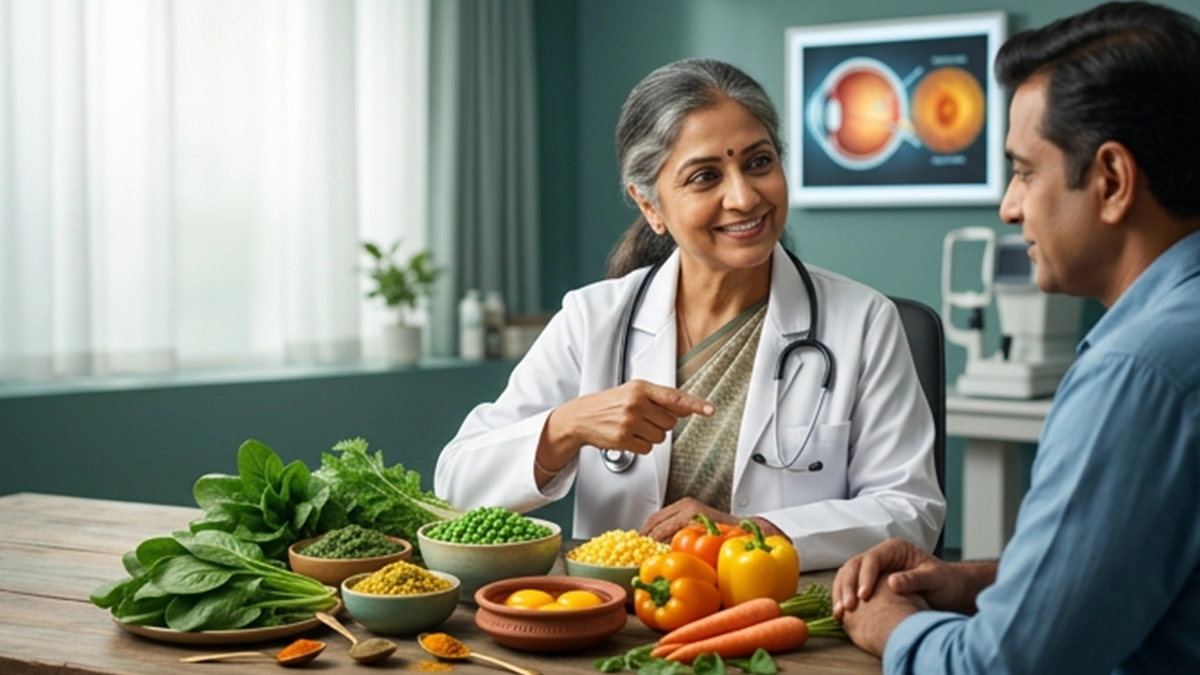
Good nutrition is a support for long term vision health but it is not a replacement for an eye exam. Lutein and zeaxanthin are natural carotenoids which we find in the retina. To increase your dietary intake of these elements which promote eye health, include lutein and zeaxanthin foods in your daily meals which also should be a part of a well balanced eye healthy diet.
For in the Indian home healthy eating is a within reach goal which does not require expensive or hard to get ingredients. Palak, matar, makka, eggs, and pumpkin are common Indian foods for eyes which very easily become a part of everyday meals.
Why Lutein and Zeaxanthin Matter for Eye Health
Lutein and zeaxanthin present in the macula which is the center of the retina that is in charge of detailed vision. As per the National Eye Institute these carotenoids are found in the retina and lens and also are the subject of study in regards to age related macular degeneration. Including lutein and zeaxanthin foods can therefore support a nutrient-rich selection of foods for eye health.
In the AREDS2 study we looked at lutein and zeaxanthin as a component of a particular supplement for some patients with age related macular degeneration. Also it is important to note that lutein and zeaxanthin foods and supplements are not the same. Supplements should only be taken as recommended by an eye care professional.
| Nutrient | Eye-Health Relevance | Common Food Sources |
| Lutein | Carotenoid naturally present in the macula and lens | Spinach, peas, corn, pumpkin |
| Zeaxanthin | Carotenoid concentrated in the macular region | Corn, egg yolk, leafy vegetables |
1. Palak or Spinach
Palak is a simple and great source of lutein and zeaxanthin foods to include in an Indian diet. It’s prepared as palak dal, sabzi, soup, paratha, or a mixed veg dish. For someone looking to follow an eye healthy diet, spinach is an ideal place to start. As opposed to putting all eggs in one basket with a single “superfood” instead which out of the question, combine palak with other lutein and zeaxanthin foods, pulses, vegetables and healthy fats.
2. Green Peas or Matar
Green peas are a convenient source of lutein and zeaxanthin foods which fit into a variety of Indian dishes like pulao, poha, curries, soups and mixed sabzi. Also peas provide fiber and add to the variety in your daily Indian foods for eyes. If leafy vegetables are not a part of every day’s diet, rotating in peas as a source of lutein and zeaxanthin foods can make for a more easy to maintain nutritious eating pattern.
3. Sweet Corn or Makka
Yellow corn also is a great option for lutein and zeaxanthin foods as it has these pigments which are natural. Boiled corn may be put in salads, soups, chaat, or mixed veg preps.
Preparation is key. Over use of butter, salt, which includes excessive deep frying, may take out the health benefits of eye friendly foods. Steam or lightly cook your corn is an easy way to include lutein and zeaxanthin foods into your diet along with other veggies.
4. Egg Yolk
Egg yolk is a convenient non-veg option while you are putting together a list of high lutein and zeaxanthin foods. They are present in the egg yolk which also has fat that helps the body absorb them. You may include eggs at breakfast or in home made dishes as you plan your eye healthy diet. For people with high cholesterol or special dietary requirements it is best to get advice from your doctor or dietitian.
5. Pumpkin or Kaddu
Pumpkin is a budget friendly veggie which does well with other lutein and zeaxanthin foods also in which it brings in colorful plant nutrients to your plate. Kaddu is great in sabzi, soup, curry or as a part of a mixed vegetable dish.
Combining pumpkin with spinach, peas and corn we present a variety of Indian foods for eyes. We aim to rotate through different lutein and zeaxanthin foods instead of putting all our eggs in one basket.
| Food | Easy Indian Preparation | Nutritional Advantage |
| Palak | Dal, sabzi, paratha | Leafy-green carotenoids |
| Green peas | Pulao, poha, curry | Carotenoids and fibre |
| Sweet corn | Chaat, soup, sabzi | Yellow carotenoid pigments |
| Egg yolk | Breakfast, curry | Carotenoids with dietary fat |
| Pumpkin | Sabzi, soup, curry | Carotenoids and food variety |
How to Include Lutein and Zeaxanthin Foods in Your Diet
A healthy diet for vision should include more than lutein and zeaxanthin foods. Try out fruits, vegetables, pulses, whole grains, nuts, seeds, healthy fats, and proper protein sources. Pair lutein and zeaxanthin foods with other foods for eye health creates a more balanced nutritional pattern.
Good nutrition is a support to the eyes, but it is not a substitute for medical screening. New blurred vision, flashes, floaters, distorted vision, or sudden changes in sight need to be evaluated by a professional. A comprehensive eye test can also bring to light issues which may not be present in the early stages.
Vasan Eye Care also provides retina evaluation for patients who need a closer assessment of retinal and macular health.
Food vs Supplements: What Should You Choose?
For the most part what we eat is a practical place to start. Carotenoids which include lutein and zeaxanthin are present in a variety of foods also which in addition to these contain many other nutrients.
But some people at certain stages of age related macular degeneration may be told to use an AREDS2 formula. Also that is not to say that lutein and zeaxanthin foods should be put in place of what is prescribed by your health care or eye care professional.
Regularly eating lutein and zeaxanthin foods, smart nutrition, annual eye exams, and seeking out medical advice at the first sign of issue are what we should be doing for better long term eye health.
Frequently Asked Questions
1. Which Indian foods contain lutein and zeaxanthin?
Palak, green peas, sweet corn, egg yolk, and pumpkin are in fact common ingredients in Indian meals which contain lutein and zeaxanthin foods.
2. Can lutein and zeaxanthin foods improve eyesight?
They improve nutritional eye health which in turn supports overall eye health but are not a solution for corrective lenses or for a medical eye issue.
3. Should everyone take lutein and zeaxanthin supplements?
No. AREDS2 based supplements are for certain patients only. See an ophthalmologist first.
4. Are leafy vegetables good foods for eye health?
Yes. Dark green vegetables like spinach are put forth as part of a balanced diet.
5. How often should I eat Indian foods for my eyes?
Vary your vegetables and include a range of nutrient rich foods over the week instead of living on one food a daily basis.
References
- National Eye Institute – AREDS/AREDS2 Frequently Asked Questions
https://www.nei.nih.gov/eye-health-information/clinical-trials/age-related-eye-disease-studies-aredsareds2/aredsareds2-frequently-asked-questions?