
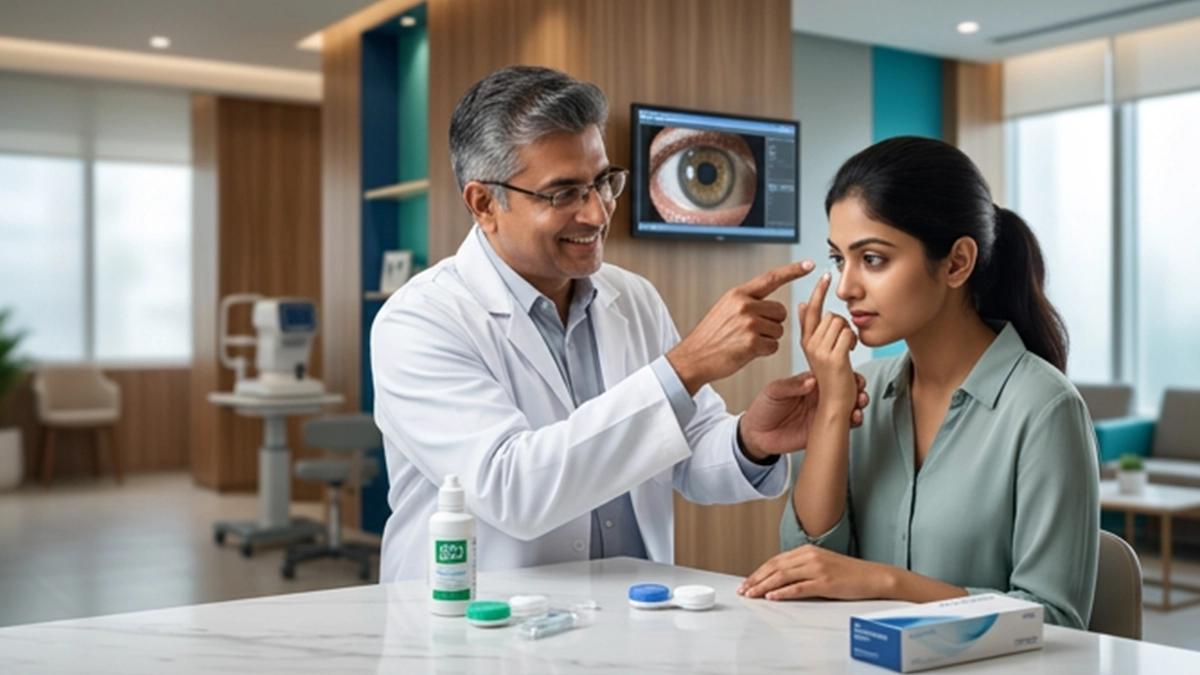
Contact lenses are a great option for vision correction but they do require proper daily care. Good contact lens hygiene is key in reducing your risk of issues like germs, deposits, and irritants which in turn will reduce your chance of eye infections. Because the lenses are right on the eye, it doesn’t take much to have an issue.
Properly follow contact lens care tips, practice good hygiene with your contacts, and make contact lens safety a daily habit which in turn will protect your eyes and also improve your wear experience.
Why Is Contact Lens Hygiene Important?
Contact lenses are a type of medical device which is why proper care is key. Poor contact lens hygiene may cause bacteria, fungi, or other microorganisms to get in the eye.
Incorrect use, care, and storage of lenses increases the risk of infection which includes microbial keratitis. Proper cleaning contact lenses, safe storage in fresh solution, and regular eye check ups are thus very important elements for contact lens safety.
| Healthy Habit | Why It Matters |
| Wash and dry hands before touching lenses | Helps reduce transfer of dirt and microorganisms |
| Use fresh recommended solution | Supports proper cleaning and disinfection |
| Keep lenses away from water | Reduces exposure to waterborne organisms |
| Follow the replacement schedule | Helps prevent excessive deposits and lens deterioration |
1. Wash and Dry Your Hands Before Touching Lenses
Good contact lens hygiene begins before they go in your eye. Scrub your hands well with soap and water, then rinse them out well and dry them off with a soft, lint free towel. Wet, greasy, or unclean hands will put germs right onto the lens. This is a basic contact lens care tip which vasan eye care often overlook, but it is very important for daily contact lens safety.
2. Use the Recommended Contact Lens Solution
When it comes to cleaning contact lenses use a product that is appropriate for the type of lenses you have and which is recommended by your eye care professional.
Do not substitute tap water or plain saline for disinfecting solution. Also in proper contact lens hygiene is that you follow the recommended steps for lens care which includes rubbing, rinsing, soaking and storing your reusable lenses.
3. Never Top Off Old Lens Solution
Always put out a used solution from your lens case before putting away your lenses. Adding a new solution to the old leftover solution in this case may reduce the effectiveness of the disinfection. It is very important to use fresh solutions each time as part of good contact lens hygiene and contact lens hygiene and safer cleaning contact lenses practices.
4. Keep Contact Lenses Away From Water
Contact lenses should not go in tap water, bottled water, swimming pool water, lake water or sea water. Water is not sterile and may have microorganisms which cause serious eye infections.
Reliable contact lens hygiene is to avoid unnecessary water exposure. Also follow your health care provider’s advice on swimming or showering while wearing them. This is very much a key piece if you want to reduce what are in fact preventable infections.
5. Clean and Replace Your Contact Lens Case
Your storage case also needs to be attended to regularly. Pour out the used solution, clean the case as per the instructions given and allow it to air dry. Also the case should be replaced as per the advice of your eye care professional or lens care manufacturer. Good contact lens hygiene is not fully achieved if you put clean lenses into a contaminated case.
| Avoid | Safer Practice |
| Reusing yesterday’s solution | Use fresh solution every time |
| Rinsing lenses with tap water | Use the recommended sterile lens solution |
| Wearing lenses beyond their schedule | Replace lenses as prescribed |
| Ignoring redness or pain | Remove lenses and seek professional advice |
6. Follow the Recommended Wearing and Replacement Schedule
Do not exceed the prescribed wear time for your contact lenses. Each type of lens has its own daily wear and replacement schedule. It is a great risk to put in and sleep in lenses which are not made for that purpose. Consistent contact lens hygiene includes following your wear and replacement schedule as recommended.
7. Avoid Sleeping, Showering, or Swimming in Lenses Unless Advised
Good for contact lens safety is to reduce exposure to microorganisms and to follow the instructions given for your type of lens. Sleeping, showering, or swimming within them is to increase the risk of problems. Also for good contact lens hygiene follow professional advice which may not always be the most convenient option.
8. Stop Wearing Lenses if Your Eyes Become Red or Painful
Redness, increase in eye pain, discharge, atypical light sensitivity, or sudden blurred vision should report it. Take out your contact lenses and see an eye care professional right away. Wearing the lenses during an irritated state may cause the issue to persist. Also as a part of responsible contact lens hygiene know when it is time to put them away.
When Should Contact Lens Wearers Have an Eye Check-Up?
Regular eye check-ups help confirm that your prescription and contact lens fit is still right. Your tear film, eye surface, prescription, and fitting requirements may change over time.
Vasan Eye Care do have eye specialists that will do a vision assessment, check the health of your eyes, and also give you personal advice on lens fit, cleaning contact lenses, replacement schedules, and contact lens safety.
If you are experiencing persistent discomfort, redness, watering, blurred vision, or sensitivity to light while wearing your contacts vasan eye care recommend you see an eye examination instead of continuing to wear your lenses without evaluation by a health care provider.
Related Contact Lens Tips and Vision Correction Options
Maintaining proper contact lens hygiene is essential for comfortable lens wear and healthy eyes. If you have farsightedness, learn can farsightedness be cured and explore the available correction options, including glasses, contact lenses, and surgery. Choosing the right lenses also matters, so discover which lens is best for your eyes based on your vision needs and lifestyle. If you are wondering is contact lens safe for eyes, following proper hygiene practices and seeking professional guidance can help reduce the risk of complications. You can also explore implantable contact lenses to understand this vision correction option and its potential benefits and limitations. For information about contact lenses and low vision aids, consult an eye care professional to find suitable options for your individual needs.
Conclusion
Healthy contact lens hygiene is a result of basic yet consistent practices which include clean hands, fresh solution, proper storage, correct wear time, and in time professional care.
Following good contact lens care tips practices and maintaining high standards of contact lens safety will reduce avoidable risks and at the same time will keep your lenses comfortable. If you have questions on lens care, fit issues, or recurring discomfort, come to Vasan Eye Care for that personalized guidance.
Frequently Asked Questions
1. Can I clean contact lenses with tap water?
No. Water isn’t sterile and should not be used for cleaning contact lenses. Use the solution that is recommended instead.
2. How often should I replace my contact lens case?
Also follow the replacement schedule which your eye care professional or lens care product company gives out. Regular replacement is for better contact lens hygiene.
3. What should I do if my eyes become red while wearing contact lenses?
Remove the lenses and contact an eye specialist, particularly if redness occurs with pain, discharge, light sensitivity, or blurred vision.
Reference Links
- U.S. FDA – Contact Lenses: Important Contact Lens Care Tips
https://www.fda.gov/medical-devices/consumer-products/contact-lenses