
Vision can deteriorate slowly or it may happen suddenly. We pay attention to what causes of blindness because some eye diseases are treatable and some are managed to save what sight is left. causes of blindness may be related to the lens, the retina or the optic nerve. Also age, diabetes and eye injury play a role in this.
Total blindness doesn’t always occur. Also each types of blindness may affect the center of your vision, the periphery, night time vision or overall clarity. Early signs of going blind may be very subtle and some vision loss causes may not give any warning at all.
What Are the Main Causes of Blindness?
Common causes of blindness are cataract, glaucoma, diabetic retinopathy and age related macular degeneration. Cataract which causes the natural lens to become cloudy. Glaucoma which in turn damages the optic nerve. Diabetic retinopathy which affects retinal blood vessels, macular degeneration which affects central vision. The U.S. Centers for Disease Control and Prevention report that these are among the primary causes of blindness and low vision in the US. As the causes of blindness present different issues, an eye exam is required to determine if the issue is treatable or a long term care issue. CDC: Common Eye Conditions and Issues.
| Condition | Typical Vision Change | Common Management |
| Cataract | Cloudy or faded vision | Surgery when appropriate |
| Glaucoma | Gradual side-vision loss | Drops, laser or surgery |
| Diabetic retinopathy | Blur, floaters or retinal damage | Injections, laser or surgery |
| Macular degeneration | Central blur or distortion | Stage-specific treatment |
Types of Blindness and Vision Loss
The types of blindness present depending on which aspect of vision is affected. Central loss which may develop in cataract for instance can make reading and recognizing faces hard, at the same time peripheral loss which is seen in advanced glaucoma can affect navigation.
By knowing what causes of blindness we may better explain these differences. Cataract related loss may reverse with cataract treatment but that is not the case for vision which is gone because of very advanced glaucoma. That is why it is important to diagnose the causes of blindness before we may plan out treatment.
Blindness Symptoms You Should Not Ignore
Blindness symptoms may present as persistent blur, diminished side vision, poor night vision, seeing distorted lines or blank spots in your field of vision loss causes. Also some causes like glaucoma and diabetic retinopathy may put out very little in terms of signs at first.
Sudden changes require emergency care. From the National Eye Institute report which states that a sudden increase in floaters, flashes of light or a curtain like shadow is a sign of retinal detachment. Also this is a causes of blindness in which quick medical attention may help preserve what sight is left.
| Warning Sign | Possible Concern | Recommended Action |
| Curtain or shadow across vision | Retinal detachment | Seek urgent eye care |
| Severe eye pain with blurred vision | Acute eye emergency | Get immediate medical assessment |
| Gradual side-vision loss | Glaucoma or optic-nerve disease | Arrange an eye examination |
Can the Causes of Blindness Be Prevented?
Not all cases can be prevented, but we see that some causes of blindness may be caught early or managed better. Age based and individual risk oriented eye exams, good control of diabetes and blood pressure, giving up smoking and use of proper eye protection play a role in long term eye health.
What works for prevention is very much a personal issue. For a person with diabetes we may do retinal checks, for one at risk of glaucoma we may do eye pressure and optic nerve tests. Also it is important to recognize early blindness symptoms
How Are the Causes of Blindness Treated?
Treatment is based on diagnosis. We perform surgical treatment for cataract. Glaucoma may require medication, laser procedures or surgery. Diabetic retinopathy may see in injection therapy, laser treatment or vitreoretinal surgery. In some cases permanent visual loss may be present which will require rehabilitation.
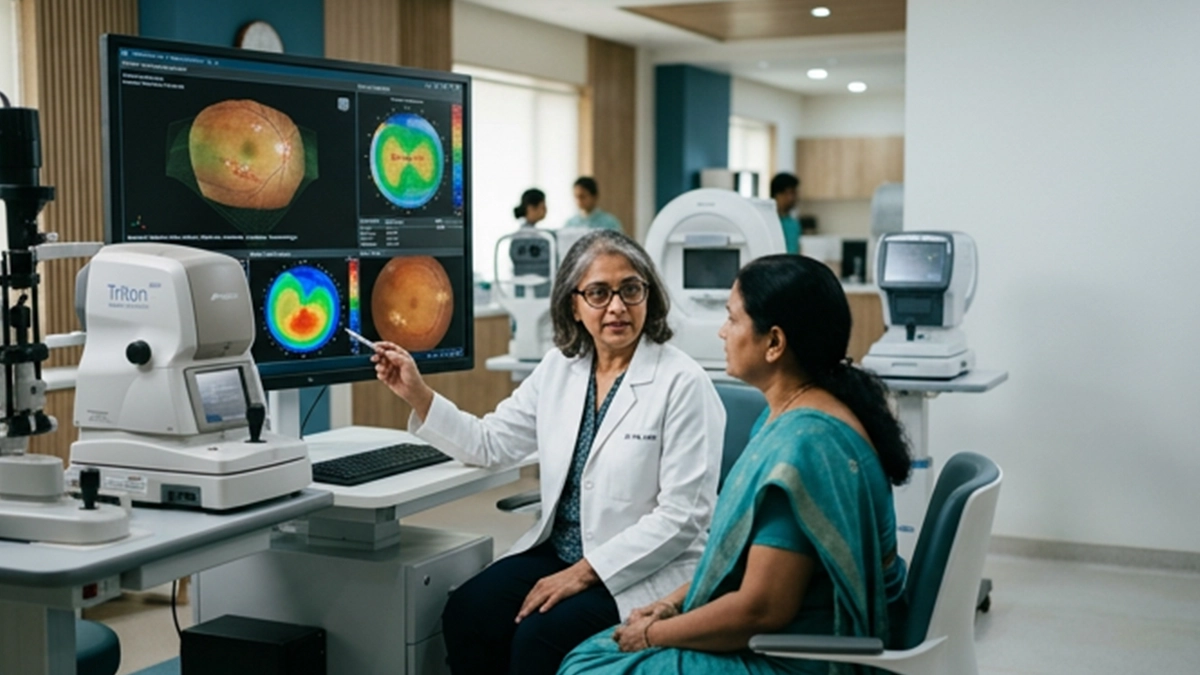
At Vasan Eye Care we assess causes of blindness through vision testing, eye pressure assessment, dilated exam and imaging when clinical indicated. At the eye hospital we do evaluation which clarifies the types of blindness present and which may include cataract treatment, retinal care or glaucoma management
When Should You Seek Eye Care?
Do not ignore blindness symptoms. Gradual loss of sharp vision, peripheral vision which retreats into your central vision or night time vision which diminishes over time should be checked out. Sudden loss of sight, eye pain which is severe, many new floaters or a dark curtain coming down over your field of vision require immediate medical care.
Identifying what causes of blindness early gives people the best response. As health care providers put the picture together quickly they may be to treat what is treatable, slow what is progressive and also to guide in the process of rehabilitation when vision is lost permanently.
Frequently Asked Questions
1. What are the most common causes of blindness?
Important causes of blindness include the cases of cataract, glaucoma, diabetic retinopathy, macular degeneration, retinal disease and serious eye injury.
2. Can blindness happen suddenly?
Yes. Retinal detachment, vascular issues, trauma, and certain neurological conditions will see sudden vision loss of which.
3. What are early blindness symptoms?
Early signs of blindness may include blur, poor night vision, reduced side vision, distortion or missing areas of vision.
4. Are all types of blindness permanent?
No. Some blindness which improves is that which has a treatable cause, in other cases it is permanent.
5. Can regular eye exams prevent blindness?
Eye exams, although can’t prevent all health issues, do help in the early detection of many causes of blindness which in turn gives treatment a better chance at protecting vision.