
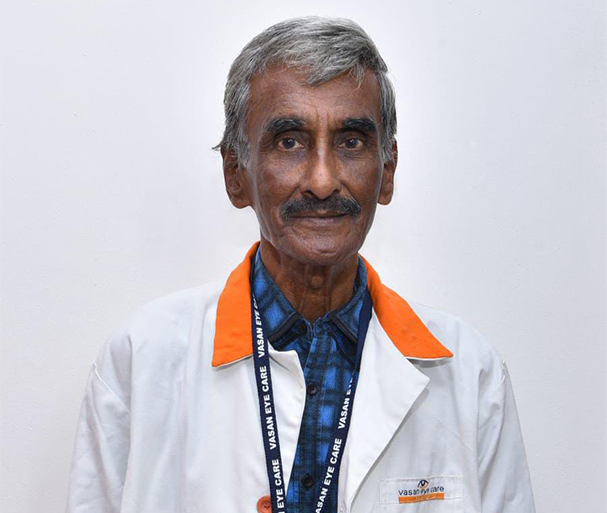
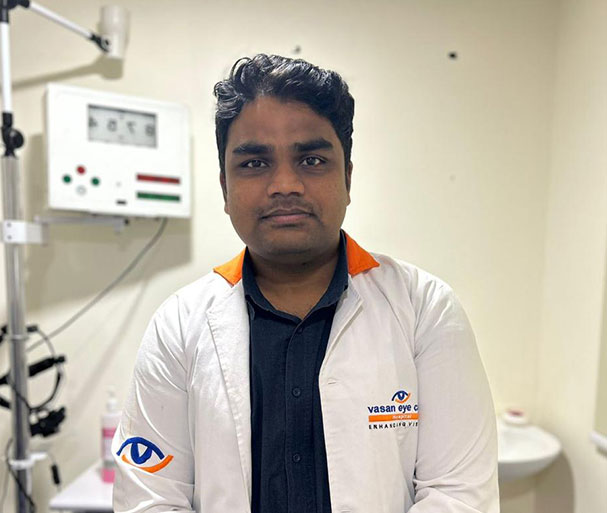
Dr. Deepak T Swamy
Dr. Deepakakumar S Dodamani
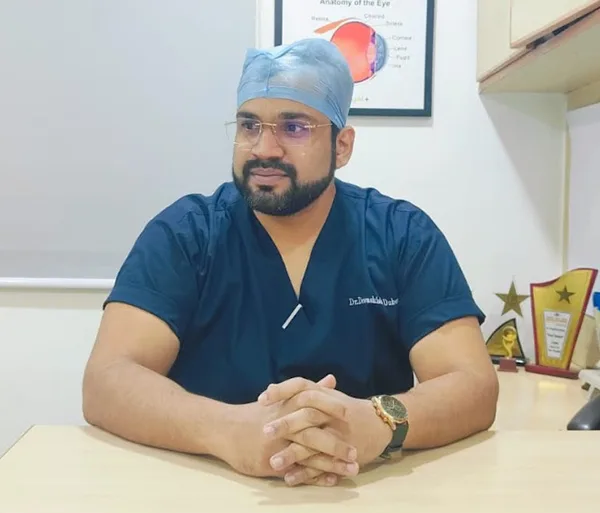
Dr. Devashish Dubey
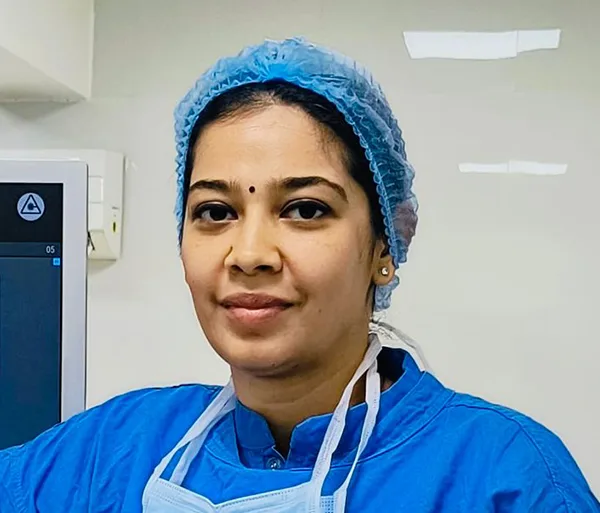
Dr. Devika
Dr. Diana J
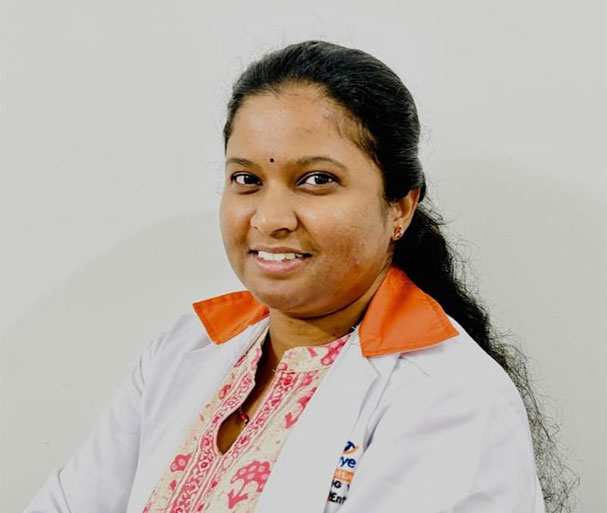
Dr. Divya
Experienced Eye Doctors in India
Good eyesight is essential to performing everyday tasks efficiently, from reading and working to navigating the world safely. The eyes of a person will display noticeable changes when they experience any type of vision change. An eye doctor provides essential support during these situations because they can determine the problem's source and recommend appropriate medical treatments.
An eye doctor is a medical professional who specializes in diagnosing and monitoring and treating all aspects of eye health and visual impairments. People visit an eye specialist for many reasons. Some people require standard eye tests to obtain new glasses or contact lens prescriptions while other people need medical treatment because they experience blurred vision and eye discomfort and nighttime vision problems.
Why Should You Consult an Eye Specialist Doctor?
Many people delay visiting an eye specialist doctor until their vision becomes noticeably affected. However, eye health is closely connected to overall health, and early evaluation can make a significant difference.
The eye doctor performs a complete assessment of visual function and internal eye structures. The specialized equipment and diagnostic tests enable them to identify initial indications of eye diseases and changes in eye pressure and retinal and optic nerve damage.
People visit eye specialists for various reasons which serve as their main reason for seeking help.
- Blurred or Distorted Vision
People who experience double vision and distorted sight need to visit doctors who will diagnose their potential refractive errors and other visual impairments. - Frequent Headaches
People who experience vision problems develop eye strain which results in headaches that occur after reading and using screens and doing detailed work. - Eye Pain or Discomfort
An eye doctor needs to examine people who experience continuous eye irritation and burning and redness and pressure sensations around their eyes. - Sensitivity to Light
Increased sensitivity to light may be related to corneal issues, infections, or other eye conditions. - Sudden Vision Changes
Sudden flashes of light together with floaters and partial vision loss need immediate medical evaluation from an eye specialist. - Long-Term Health Conditions
People with diabetes together with those who have hypertension or autoimmune disorders need to undergo routine eye exams because these conditions result in eye problems that develop over time.
The standard practice recommends adults above forty and people who use corrective lenses to undergo eye examinations every one to two years even if they show no signs of vision problems.
Services Offered by an Eye Doctor
Eye care centres deliver multiple services which help customers with their vision correction needs and their eye health requirements. An eye doctor conducts multiple tests during a patient visit to determine the current function level of the patient's eyes.
The following list shows common services which an eye specialist provides to patients.
Vision Testing and Prescription Updates
Vision testing evaluates whether someone needs glasses or contact lenses or requires alterations to their existing prescription. The eye doctor measures how clearly a person sees at different distances and detects refractive errors which include:
- Nearsightedness (Myopia)
- Farsightedness (Hyperopia)
- Astigmatism
- Age-related near vision changes (Presbyopia)
Eye Disease Screening
Eye specialists for sight testing examine various eye conditions which can lead to permanent vision loss when left untreated. The identified conditions include:
- Cataracts
- Glaucoma
- Retinal disorders
- Corneal conditions
- Age-related macular degeneration
Early detection enables doctors to start treatment before the patient experiences major loss of sight.
Pediatric Eye Care
Children need eye exams whenever they display
symptoms which include squinting and sitting too close to screens and having difficulty
reading from a distance. Pediatric eye assessments help identify vision issues that could
affect learning and development.
Eye Health Monitoring
The treatment plan for patients who have existing
eye conditions requires regular monitoring to assess their progress and determine necessary
modifications.
The eye doctor provides these services to help patients achieve both clear vision and healthy eyes.
Treatment Options Provided by an Eye Specialist
The methods used to treat eye disorders change according to the specific medical diagnosis and the present health status of the patient and the degree of their medical condition. The eye doctor will suggest different treatment options to the patient after he has completed the eye evaluation.
- Corrective Lenses
Most people use either contact lenses or glasses as their main method for vision correction. Corrective lenses modify light transmission to the eye which enables proper image focus on the retina. - Medication and Eye Drops
Doctors use medicated eye drops as a treatment for specific eye conditions which they need to prescribe through their medical authority. The doctor may prescribe these medications to treat the following conditions.- Eye infections
- Inflammation
- Allergies
- Dry eyes
- Increased eye pressure
- The treatment will only succeed when patients follow both the dosage requirements and the medication usage instructions.
- Laser Vision Correction
Laser-based procedures are sometimes used to correct refractive errors. The treatments create new corneal shapes which enable proper light focus to reach the retina. An eye specialist assesses candidate eligibility through comprehensive testing because not all individuals qualify for the procedure. - Cataract Surgery
Cataracts develop when the eye's natural lens develops cloudiness which leads to vision problems. During cataract surgery doctors remove the cloudy lens from the eye and then they place an artificial lens to enable the patient to see clearly. - Retina Treatments
The retina serves as an essential part of vision because it converts light into brain signals which the brain interprets as visual information. Retinal conditions need particular treatments which involve injections and laser therapy and surgical methods. - Glaucoma Management
Glaucoma is a condition that causes elevated intraocular pressure to build up within the eye. The treatment process requires the use of eye drops and laser therapy and surgical procedures to maintain proper eye pressure while safeguarding the optic nerve.
The purpose of any eye doctor treatment recommendation exists to treat the root problem while preserving as much vision as possible.
What to Expect After a Consultation with an Eye Doctor
The process of visiting an eye doctor requires multiple steps which depend on the specific symptoms that need assessment.
- Detailed Medical History
The consultation begins with questions about vision changes, medical history, medications, and lifestyle factors which include screen usage and reading habits. - Diagnostic Tests
The tests include assessments of visual clarity and eye pressure together with examinations of retinal and optic nerve health. The tests require patients to read letters from a chart while certain tests use imaging equipment to study the internal eye structures. - Discussion of Findings
The eye doctor presents his examination results to the patient using basic language after he finishes his examination work. The doctor will explain treatment possibilities and next steps after discovering any medical condition during his examination.
The eye specialist will provide a glasses prescription or deliver a medication recommendation or propose other treatment options based on their diagnostic findings. - Follow-Up Visits
Patients with certain eye conditions require follow-up appointments to evaluate their treatment outcomes and monitor their recovery progress.
The process of eye examination helps many people feel reassured because it provides them with better knowledge about their eye health and the required methods for maintaining it.
Frequently Asked Questions
- When should I visit an eye doctor?
The requirement for eye examinations should be fulfilled by people every one to two years as a way to maintain their visual health. - What is the difference between an eye doctor and an eye
specialist?
The terms are often used interchangeably. An eye specialist usually refers to a medical professional who diagnoses and treats eye conditions and performs specialised procedures. - How long does an eye examination take?
A standard eye examination usually takes around 20 to 40 minutes. The appointment will take more time because additional tests are needed to conduct a complete examination. - Can children visit an eye specialist doctor?
Yes, children can consult an eye specialist doctor. Early eye examinations help detect vision problems that may affect learning and development.
The recommended eye examination schedule for adults requires them to undergo testing every one to two years. The existing eye conditions of patients require them to schedule more regular eye appointments.
The regular eye examinations which you conduct will help identify initial signs of eye diseases which remain hidden until they become apparent. - Are eye drops safe for long-term use?
Certain eye drops provide safe long-term application while other eye drops require restricted time use. The eye specialist provides better guidance than any other source. - What should I bring to an eye doctor appointment?
You need to bring your current glasses or contact lenses together with your previous prescriptions and a list of your medications. This procedure enables the eye doctor to assess your vision capabilities with greater precision.