
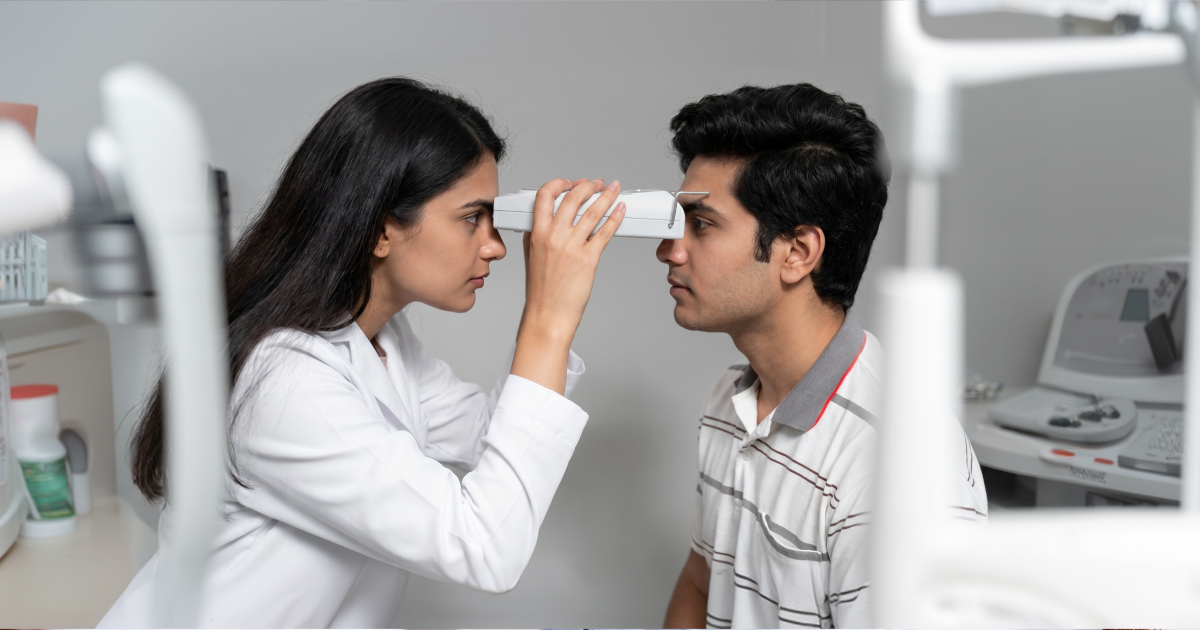
Low tension glaucoma is a type of glaucoma in which the optic nerve breaks down at what is considered to be a normal pressure. This may be hard for some to grasp as we tend to think of glaucoma in terms of high eye pressure. In low tension glaucoma the pressure may appear to be within the normal range at the eye check up, but the optic nerve may still be affected and to gradually lose function.
This condition also includes what is known as normal tension glaucoma. In the case of low tension glaucoma what is most important is the timely detection. It usually progresses slowly and at first does not present with pain. Due to the lack of early symptoms at time of onset, regular eye exams are very important also for people who have a family history of glaucoma, see large variations in their blood pressure, get migraines, have sleep related breathing issues, or who report circulation problems.
What Is Low Tension Glaucoma?
Low tension glaucoma is a form of open angle glaucoma. We see that the aqueous humor drains out normally, yet the optic nerve displays signs of glaucomatous damage. In other words a pressure which is normal for one individual may still be too much for another’s optic nerve.
The term low tension is not to be taken to mean that eye pressure is at dangerous levels, it means damage may happen in what is a normal or reduced pressure range. Also for patients who are researching symptoms of low eye pressure which conditions may present with normal tension glaucoma as well as true low eye pressure which also is also referred to as ocular hypotony.
Why Can Glaucoma Happen With Normal Eye Pressure?
In low tension glaucoma the optic nerve may have greater predisposition due to reduced blood flow, structural weakness, or poor pressure tolerance. Also it may appear that the pressure is within normal range at the time of the office visit, in reality the nerve is still under stress over time.
Blood flow is a key issue. If the optic nerve has low supply of oxygen and nutrients it may do more poorly. Low blood pressure, night time drops in blood pressure, migraine, vascular issues, and sleep apnea play a role. That is why in low tension glaucoma we need a full evaluation and not just one pressure reading.
Low Tension Glaucoma vs True Low Eye Pressure
Many patients confuse low tension glaucoma with what is truly low eye pressure. They may sound the same but they aren’t. Low eye pressure issues are what we see in cases of very low intraocular pressure. In normal tension glaucoma, the optic nerve is affected by damage even when the pressure is in the so-called normal range.
| Point of Difference | Low Tension Glaucoma | True Low Eye Pressure or Hypotony |
| Main issue | Optic nerve damage despite normal pressure | Eye pressure is abnormally low |
| Usual pressure pattern | Normal or lower-normal range | Lower than expected for eye health |
| Main concern | Gradual side vision loss | Blurred vision, distortion, discomfort, or structural changes |
| Treatment aim | Protect the optic nerve and reduce pressure further | Find and correct the reason for low pressure |
| Follow-up need | Long-term glaucoma monitoring | Prompt eye evaluation, especially after surgery or injury |
This issue is that low eye pressure symptoms may include blurred vision, distorted vision, eye discomfort, light sensitivity, or unclear vision post surgery, injury, inflammation, or medication changes. In which many patients may not see anything in the early stage.
Causes and Risk Factors
The cause of glaucoma varies between individuals. Some patients are born with a very delicate optic nerve. Also some may have reduced blood flow to the nerve. Also play a role in which glaucoma runs in families.
Age at birth, thin corneas, irregular blood pressure patterns, migraines, cold hands and feet due to circulation issues, heart rhythm issues, and sleep apnea may present with this condition. Also some people may have eye pressure changes at different times of the day which are not recorded in a single clinic reading.
The term low tension may put it in a different light, but that does not mean it is to be taken lightly. The disease does progress when the optic nerve continues to lose fibers.
Key Symptoms Patients Should Know
The issue is that in the early stages of the disease, symptoms are not present. A person may have normal reading and daily life functionality while they are losing side vision. This is why glaucoma is referred to as a silent disease.
As time goes on, patients may see that they have trouble with peripheral vision, they are hitting objects, having issues with balance in dim light, and also missing parts out of their visual field. These changes are different from low eye pressure symptoms linked to hypotony. They usually point toward optic nerve and visual field involvement.
Patients report that they research online for signs of low pressure which may include information on hypotony, also at first it is a quiet disease in the case of normal tension glaucoma. Any person with risk factors should not wait for symptoms to appear before seeing an eye specialist.
How Is Low Tension Glaucoma Diagnosed?
Diagnosis is a multi step process that goes beyond a single eye pressure check. The ophthalmologist looks at the optic nerve, measures eye pressure, does corneal thickness assessment, does visual field testing, and also may use optic nerve imaging to identify early structural damage.
Sometimes eye pressure is reported at various points in the day which is a result of it’s fluctuating nature. If a patient brings up issues of low eye pressure, we also look into if it’s related to hypotony, inflammation, medication, past surgery, or some other eye issue.
| Test | Why It Is Done |
| Tonometry | Measures intraocular pressure |
| Visual field test | Detects side vision loss |
| Optic nerve examination | Checks cupping and nerve damage |
| OCT scan | Measures optic nerve fibre layer thickness |
| Corneal thickness test | Helps interpret pressure readings correctly |
| Gonioscopy | Confirms whether the drainage angle is open |
These tests help to distinguish normal tension glaucoma from other types of glaucoma and from diseases which cause true hypotony.
Treatment Options
The aim of glaucoma treatment is to protect the optic nerve and prevent any more vision loss. At time when eye pressure is already back to normal, doctors may still decrease it further because a lower target pressure also reduces stress on the optic nerve.
Treatment may start out with prescriptive eye drops. Which in turn will reduce intraocular fluid production, or improve drainage. Also they must be put exactly as advised for results; missed doses will impact pressure control. We see that for many patients consistent use of these medicines is the base of long term glaucoma treatment.
Laser treatment may be suggested if drops are not enough or if regular drop use becomes difficult. In advanced or progressive cases, glaucoma surgery may be considered to improve fluid drainage and lower pressure more effectively. Glaucoma eye surgery is usually planned only after evaluating optic nerve damage, visual field loss, pressure pattern, and overall eye health.
Can Vision Loss Be Reversed?
Vision which has been lost from this disease usually does not return as nerve damage is in most cases permanent. But the disease may also often be controlled if detected at an early stage. With timely glaucoma treatment, regular follow-up, and pressure monitoring, further damage may be slowed.
This is what we see in that patients do not have to feel unwell to stop treatment. Glaucoma care is a long term issue. If tests indicate progress of the disease we may alter the treatment plan which may not at the time be noticeable to the patient.
When Low Eye Pressure Symptoms Need Attention
Although normal tension glaucoma and hypotony are different conditions it is still important to watch for signs of low eye pressure symptoms. Also if after eye surgery, trauma, or inflammation you experience sudden blurred vision, eye pain, visual distortion or any atypical discomfort do not ignore those symptoms.
Repeated low eye pressure symptoms may present a separate health issue which requires treatment. Hypotony may at times be reversed if the cause is identified early out to be a wound leak, inflammation, medication side effect, or post surgery pressure issue. Patients should not self-diagnose low eye pressure symptoms or stop glaucoma medicines without medical advice.
Eye Care Support at Vasan Eye Care
At Vasan Eye Care we do more than look at the pressure when it comes to glaucoma evaluation. For our glaucoma patients we look at health of the optic nerve, visual field stability, risk factors, and treatment response over time.
Care includes medical glaucoma treatment, routine testing, pressure check, laser chat, or glaucoma eye surgery as needed. As each eye reacts differently to treatment we tailor the plan. We guide patients on proper use of drops, follow up schedules, and what warning signs to report early.
Frequently Asked Questions
The for low tension glaucoma which is best is based on the stage of the disease and if it is progressing. Most patients start out with pressure reducing eye drops. As the condition progresses we may advise laser treatment or glaucoma surgery. The primary goal is to protect the optic nerve and prevent additional vision loss.
Yes at times hypotony may be reversed it depends on the cause. If low eye pressure is a result of inflammation, wound leak, medication side effect, or a post surgery issue, treatment of the cause may help to bring pressure back up. Also low eye pressure which may cause symptoms should always be evaluated by an ophthalmologist
Yes, in low tension glaucoma what we see is that it is a serious condition which may permanently damage the optic nerve at low pressure levels. Also it may progress without pain which is why regular follow up is very important. Timely treatment is key in reducing the risk of more vision loss.
Reference
- NCBI Bookshelf – Normal Tension Glaucoma
https://www.ncbi.nlm.nih.gov/books/NBK576377/ - National Eye Institute – Glaucoma
https://www.nei.nih.gov/learn-about-eye-health/eye-conditions-and-diseases/glaucoma - CDC – Keep an Eye on Your Vision Health
https://www.cdc.gov/vision-health/about-eye-disorders/index.html