
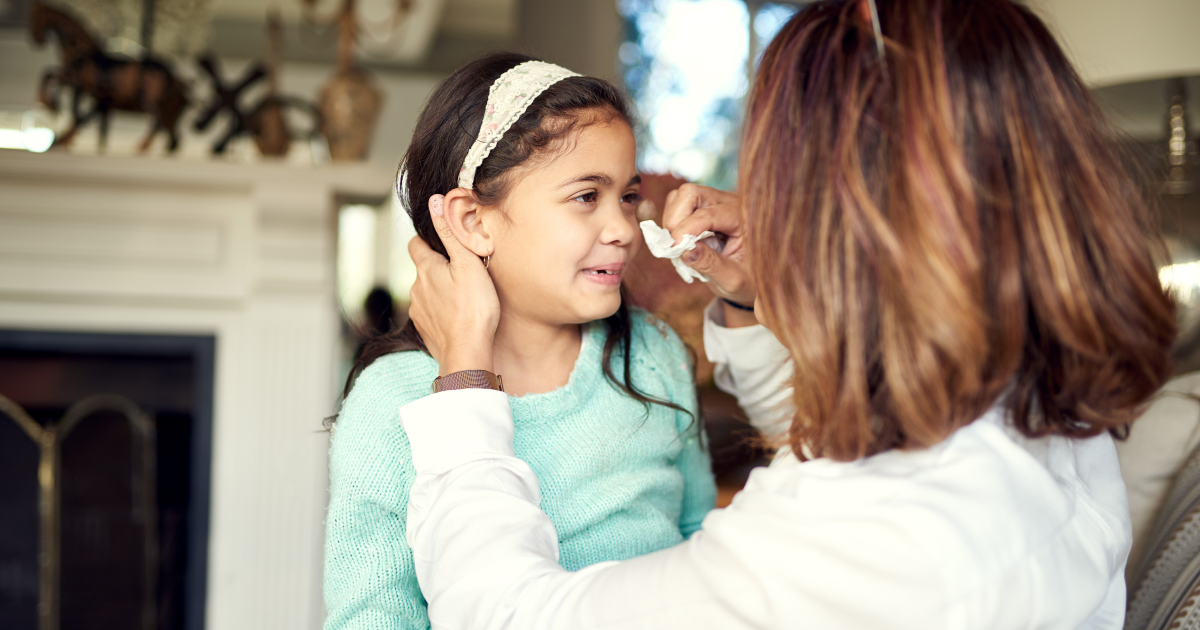
Children report on and off that their eyes are itchy, watery, or red which is very common during weather changes, dust out breaks, pollen season, and after play time outside. In many cases, they are experiencing eye allergies in children, Although the issue isn’t usually serious, it can get a child very uncomfortable, disrupt sleep, affect performance in school and also lead to very heavy eye rubbing if proper management isn’t applied.
At Vasan Eye Care we have experienced eye care professionals that help in the diagnosis of conditions that cause repeated eye issues and guide you with safe treatments, and also with age appropriate eye treatments that also cater to your child’s needs. Since children’s eyes are delicate, using random allergy eye drops for kids without medical advice is not recommended.
What Are Eye Allergies in Children?
Eye allergies in children occur when the eyes react to what may be harmless to most of the population but for some sensitive kids these trigger an allergy. Triggers can be pollen, dust mites, pet dander, mold, smoke, pollution, perfumes, also at times certain seasonal changes. Also from the National Eye Institute we learn that what may cause allergies such as pollen, dust mites, mold, and animal dander can result in what is known as allergic pink eye, which in general is not contagious.
When exposure of the eyes to an allergen triggers the immune system which in turn releases chemicals causing it to water, redness, swell, and itch. This is the reason many parents first see signs of eye allergies symptoms in their child upon return from school, playgrounds, parks, dusty areas, or pet filled environments.
Common Eye Allergy Symptoms Parents Should Watch For
In children the most common eye allergy symptoms are itching, redness, watering, eyelid swelling, burning and a feeling that the eye is affected by something foreign. Also some kids may report that their eyes feel tired or they are in the process of rubbing them constantly. Also according to MedlinePlus which notes that in severe cases of allergic conjunctivitis you may see very itchy or burning eyes, puffy eyelids, red eyes, stringy discharge, and watery eyes.
A key indicator of eye allergies in children is that they will have itchy red eyes. When the secretion is thick and yellow or green, when the child reports of acute pain, a high temperature, blurred vision, or if there is a single very red painful eye it may not be an ordinary allergic reaction and should be evaluated at the eye specialist hospital.
Also Read- Itchy, Red Eyes? Allergic Conjunctivitis Symptoms to Know
| Symptom seen in child | What it may indicate | What parents should do |
| Itchy and watery eyes | Common allergy reaction | Avoid rubbing and book an eye check-up if repeated |
| Redness in both eyes | Possible allergic conjunctivitis | Keep the child away from dust, pollen, and smoke |
| Puffy eyelids in the morning | Allergy-related swelling | Use a clean cold compress and consult a doctor if persistent |
| Thick discharge or crusting | Possible infection, not just allergy | Visit an eye hospital for diagnosis |
| Pain, light sensitivity, or blurred vision | Warning sign | Do not use random eye drops for kids; seek urgent care |
Why Children Are More Prone to Eye Allergies
Children spend time in large outdoor settings, they put foreign bodies in their eyes via unclean hands which they don’t wash often, also at time they do not report what is ailing them. Also their immune response is very much a factor in how they react to environmental inputs. That is why we notice eye allergies in children come up during school, in sports, in monsoon, in the rainy season, with change in season and pollen variation.
Some children present with asthma, skin allergy, allergic rhinitis, or frequent sneezing in their history. These children may have a high incidence of repeated eye allergy symptoms. In which case it is important for parents to not only treat the eyes during flares up but also to identify the trigger patterns. Some children also have a history of asthma, skin allergy, allergic rhinitis, or frequent sneezing. These children may see that they are at a high risk of repeat eye allergy symptoms. In such cases we tell the parents that it is not enough to only treat the eyes at the time of an attack but also to identify what is causing the issues.
Are Eye Allergies in Children Contagious?
Allergic eye issues are also not contagious. What this means is your child does not generally pass on allergy related redness to brothers, sisters or classmates. But red eyes which are from viral or bacterial conjunctivitis can very well spread. The CDC reports that conjunctivitis is a result of viruses, bacteria, allergens, contact lens wear, chemical exposure and other causes so proper diagnosis is important.
Parents often put at ease with the idea that their child has allergic conjunctivitis instead of an infection which is not uncommon for both to present with red and watery eyes. What does differ is that in case of eye allergies in children we see more of a report from itchy eyes and a watery discharge, also infected eyes may present with sticky discharge, crusting, pain or that one eye will become affected before the other.
Can Parents Use Allergy Eye Drops for Kids?
Parents should take their kids to an eye doctor before using any allergy eye drops for kids which is very important especially for very young kids, those with recurring symptoms, pain, or who are on other medications. Many of the drops look alike but they do different things. Some are for lubrication, some for antihistamine effect, some reduce inflammation and some may not be safe for kids to use without supervision.
The CDC reports that removal of the allergen and certain eye drops which include topical antihistamine drops and some prescription drops may help with allergic conjunctivitis but a doctor can guide on the best option. Also from MedlinePlus we learn that cromolyn ophthalmic is used for allergic conjunctivitis in adults and kids age 4 and over which is why age and medical guidance play a large role before you choose the proper allergy eye drop for kids.
Types of Allergy Eye Drops Used for Children
Not in all cases do we see the need for medicated allergy eye drops. In mild cases improvement is seen with trigger control, cold compresses, and lubricating drops which the doctor will recommend. When symptoms are moderate or frequent, an eye specialist may suggest suitable allergy eye drops for kids based on age, severity, allergy pattern, and eye surface health.
| Type of drops | Purpose | Parent safety note |
| Lubricating drops | Help wash allergens and reduce dryness | Use only child-safe eye drops for kids recommended by a doctor |
| Antihistamine drops | Reduce itching and watering | Should be used as advised, especially in younger children |
| Mast cell stabilizer drops | Help prevent repeated allergy flare-ups | Often useful in seasonal or recurring cases under guidance |
| Anti-inflammatory drops | Used in more severe cases | Never use steroid-based allergy eye drops without an eye doctor |
| Combination drops | Target more than one allergy pathway | Should be selected only after proper diagnosis |
Why Random Eye Drops for Kids Can Be Risky
Many of the time parents go to the pharmacy to buy eye drops for kids when their eyes are red. This in fact delays proper care if the issue is in fact an infection, injury, dry eye, corneal issue or some other eye problem. Some drops may see the redness go down for a while but they do not treat the root cause. Also some of the over the counter drops may cause side effects if used too frequently or without supervision.
For eye allergies in children, the best approach is to first determine what is really causing the redness. At an eye specialist clinic a trained ophthalmologist will examine the eye surface, eyelids, cornea and also look at the pattern of symptoms before prescribing allergy eye drops for kids.
Home Care Tips to Manage Eye Allergies in Children
Simple at home measures may help reduce discomfort which is seen in mild cases. Parents may gently wipe the eyes with a clean cloth and water, encourage hand washing, keep the child from putting their hands to their eyes, use a clean cold compress, and reduce exposure to dust, smoke, and strong scents. Also per the National Eye Institute which reports that handwashing and use of separate items is recommended in the case of contagious forms of pink eye which is a point of confusion for some parents as to whether redness is from an allergy or an infection.
If outdoor pollen or dust is the cause of your child’s eye allergy symptoms they can wash their face upon coming home, change clothes after outdoor play, and avoid rubbing their eyes. Also try to keep windows shut on high dust days, clean bedding often and reduce the number of soft toys that collect dust.
When Should Parents Visit an Eye Hospital?
Parents take your child to an eye hospital if they have recurring eye allergy symptoms, severe itching, swelling, pain, light sensitivity, blurred vision, thick discharge, or if the symptoms don’t go away. Also seek medical attention if the child is constantly rubbing his eyes, which may irritate the eye surface and cause more inflammation.
At Vasan Eye Care parents may bring in their children for an eye check up and personal eye treatments. The Vasan Eye Care site reports we are a primary eye care network which we run with the latest tech, best clinical practices in the field, and we think of the patient first.
How an Eye Doctor Diagnoses Eye Allergies in Children
Diagnosis starts out with us looking at what the child is symptomatic of, their allergy history, seasonal patterns, the school and outdoor environment they are in, and also what they may have tried in terms of allergy eye drops in the past. We may also do an exam of the eyelids, conjunctiva, cornea, tear film, and look at the discharge pattern. This helps to tell apart pediatric eye allergies from viral or bacterial conjunctivitis, dry eye, blepharitis, injury, and other issues. It is important to get the right diagnosis because we don’t use the same type of allergy eye drops for kids that we do for antibiotic drops, lubricants, or anti-inflammatory medicines.
Treatment Approach at Vasan Eye Care
The treatment of eye allergies in children depends on the severity and frequency of symptoms. For mild reactions, which include measures like avoiding allergens and use of cold compresses also what the doctor may prescribe as lubricating drops. For moderate allergies also safe for allergy eye drops for kids. will be prescribed. In severe and recurring cases, we may see to have more of a long term prevention plan, follow up visits, and at the same time evaluate for other related allergic issues.
Parents are to follow through with the advice given for treatment and to not stop or change allergy eye drops without first speaking to a health professional. If symptoms present itself each season, an eye doctor may put your child on a preventive care plan before the allergy season starts.
Preventing Repeated Eye Allergy Flare-Ups
Prevention is a key element of care for eye allergies in children. Parents note when symptoms present. If redness is an issue post outdoor play it may be due to dust. If in the morning your child is itchy it may be from bedding dust or indoor allergens. If symptoms break out around pets, animal dander may be the cause.
Children are to be taught that which of them put their hands to their eyes are doing so to their harm, as it is known that this action may in fact increase the extent of swelling and irritation. Also we put out that those who wear sunglasses may protect their eyes when out of doors. Also that which we may do is to present them with a clean home setting, a practice of washing pillow cases, reduction in screen time, and proper hydration which in turn will support better eye health. However, if symptoms are frequent, prevention alone may not be enough, and medically guided eye treatments may be needed.
Conclusion
Eye allergies in children are common, which also includes those that are exposed to dust, pollen, pets, pollution, or which present with seasonal changes. Maybe simple care will do for mild symptoms, but persistent itchy eyes, redness, watering, or swelling should not be ignored. Also do not resort to random eye drops for your kids, instead see an eye specialist who can prescribe safe allergy eye drops for your child when required.
In the early stages of the issue with proper diagnosis, trigger identification and the right treatment we see that children find relief from symptoms and are able to get back to school, play, and their daily activities with better eye health. For parents of children with recurring or severe eye allergy symptoms we recommend they visit Vasan Eye Care which is a trusted eye hospital that has access to special eye treatments and a child centered care approach.
FAQs
The most common eye allergy symptoms are itchy eyes, redness, tearing, a burning sensation, puffy eyelids, and repeated eye rubbing. Also some kids report tired eyes and discomfort after play. If you see pain, blurred vision, or thick discharge parents should take their child to the eye hospital.
Never use allergy eye drops for kids without a doctor’s go-ahead. Their eyes are super-sensitive and wrong drops can leave the actual problem untreated. A physician can ascertain if it is an allergy, infection, dryness, or some other issue.
In most cases eye allergies in children are a manageable issue, but in some they cause of lot of itchy eyes and rubbing which in turn causes discomfort and irritation. If the symptoms are persistent or affect performance in school, sleep, or daily activities parents should take their child to an eye specialist hospital for proper care.
The choice of safest eye drops for kids is based on the child’s age, symptoms, and diagnosis. We see lubricating drops, antihistamine drops, or other allergy eye drops which may be prescribed by an eye doctor. Also do not use adult eye drops for kids without advice.
You are to take your child to Vasan Eye Care if they experience repeated redness, itching, watering of the eyes, swollen eyelids, pain, light sensitivity, blurred vision, or if the symptoms persist. Timely care helps identify the cause and ensures the right eye treatments are started safely.
Reference
- National Eye Institute – Pink Eye Overview
https://www.nei.nih.gov/eye-health-information/eye-conditions-and-diseases/pink-eye - CDC – Symptoms of Pink Eye
https://www.cdc.gov/conjunctivitis/signs-symptoms/index.html - MedlinePlus – Allergic Conjunctivitis