
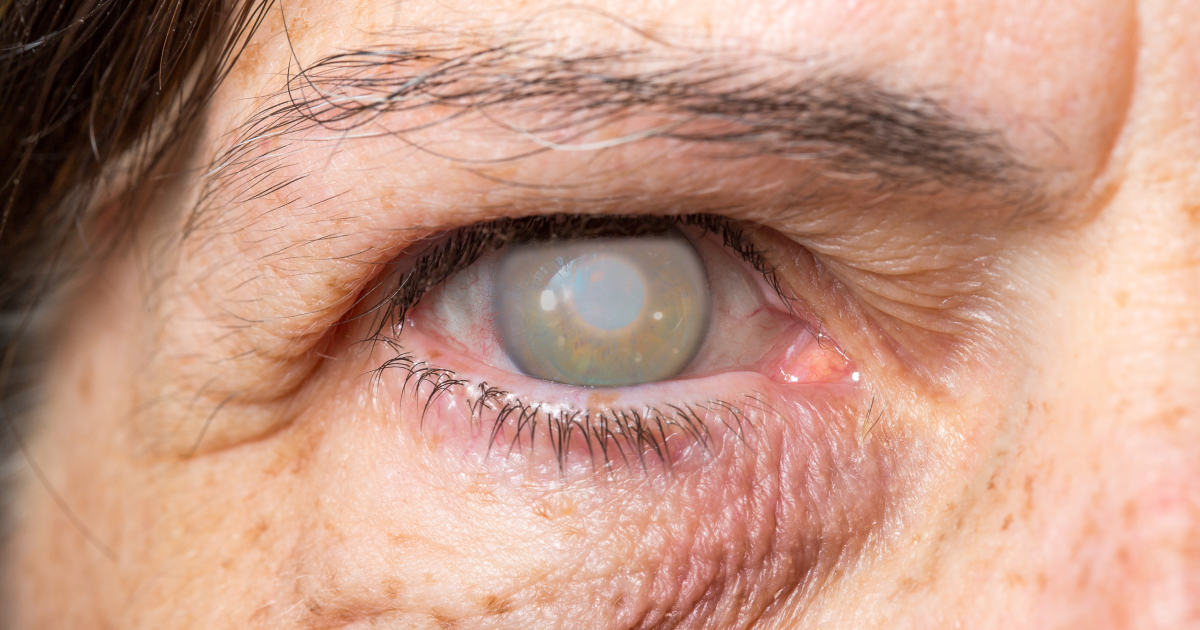
The thyroid is located in the neck but its effects are felt in many parts of the body which include the eyes. When thyroid activity is out of balance or an autoimmune thyroid condition presents itself some see dryness, swelling, bulging, double vision, or pressure in the eyes. This condition is also known as thyroid eye disease.
Many patients first identify with screen time, lack of sleep, or allergy as the cause of their discomfort. But when we see eye issues at the same time as thyroid disease, they should not be put out of mind. Thyroid eye disease affects the eyelids, eye muscles, the tissue behind the eye and in rare cases may cause damage to vision. The National Eye Institute reports that in Grav’s eye disease which is an aspect of thyroid disease we see swelling around the eyes which may cause the eyes to protrude, dry eyes, double vision, puffy eyelids, and lids that open wider than usual.
What Is Thyroid Eye Disease?
Thyroid eye disease is an autoimmune of the eye that sees the immune system attack the soft tissues and muscles around the eyes. It also puts out that this disease is very much related to Graves’ disease which is an autoimmune thyroid disorder. Because of that association the same condition is also referred to as Graves eye disease, Graves’ ophthalmopathy, or thyroid associated orbitopathy.
In the case of thyroid eye disease inflammation causes the eye tissues behind the eye to swell. This may push the eye out, cause the lid to pull back, or impair normal movement. Some have only mild discomfort, others may see double or have physical eye changes. NIDDK reports that over one third of people with Graves’ disease develop Graves’ ophthalmopathy which presents with protruding eyes, a sandy eye feeling, light sensitivity, eye pain, and blurred or double vision.
How Thyroid Disorders Affect Vision
In Graves’ disease the connection between the thyroid and the eyes is via the immune system. What we see in this is that the immune system may go after the thyroid gland as well as the eye tissue. This results in swelling within the eye socket which in turn may put pressure on the eye, affect movement of the eyes, and also break the thyroid’s role in protecting the eye’s surface.
Many times thyroid related ophthalmic issues develop gradually. At first a person may notice dryness, burning, watering, or a sensation of pressure in the eyes. As it progresses the eyes may look larger, more puffy, or protruding. Also in some patients the eye muscles may stiffen which in turn may cause double vision while reading, driving, or turning the head. Thyroid eye disease may also present itself in an asymmetrical fashion in which one eye is affected more than the other so it is noted to be swollen or bulging out more which at that point should be looked into.
Common Thyroid Eye Symptoms
Early thyroid eye issues present like dry eye or allergy. Patients may have grittiness, redness, tearing, light sensitivity, puffy eyelids, or pressure in the eyes. Also of concern are cases where these signs present chronically or get worse with a history of thyroid disorder.
Visible signs may present as puffy eyes, eyelid retraction, or having trouble completely closing the eyes during sleep. When the lids do not close fully the eye surface may dry out which in turn causes irritation and blurry vision. MedlinePlus reports that Graves’ disease can cause painful puffy eyes, irritation, tearing, double vision and in serious cases may cause decreased vision or corneal damage.
| Symptom Area | What You May Notice | Why It Happens |
| Eye surface | Dryness, burning, watering, gritty feeling | Tear film disturbance and incomplete eyelid closure |
| Eyelids | Puffiness, swelling, eyelids pulled back | Inflammation around the eye |
| Eye position | Bulging or staring appearance | Tissue swelling behind the eye |
| Eye movement | Double vision or pain while looking sideways | Swollen or stiff eye muscles |
| Vision | Blurred vision or reduced clarity | Dryness, corneal exposure, or optic nerve pressure |
Thyroid Vision Problems That Should Not Be Ignored
Not every patient with thyroid imbalance develops thyroid vision problems, but any new visual issue is worth bringing to the attention of your health care provider. Double vision is of particular note as it may indicate that the eye muscles are not working in coordination. Blurred vision which does not improve with eye blinking, increase in pain, or trouble closing the eye should also be brought to your health care provider’s attention.
Rarely does severe thyroid eye disease present with pressure on the optic nerve which transmits visual information from the eye to the brain. This may result in low vision, poor color perception, or a dark spot in the field of vision. The National Eye Institute reports that around the eyes swelling which in turn may press on the optic nerve thus causing vision loss. For that reason it is of the advice of the National Eye Institute that thyroid vision problems should not be treated with home remedies or random eye drops.
Is Graves Eye Disease Different from Thyroid Eye Disease?
Graves eye disease is the most common term used for this condition which reports issues of the eyes, also a fact that thyroid hormone issue and ophthalmic issue are not the same for all patients. We see patients with controlled thyroid levels and yet present with active eye inflammation. In some cases eye symptoms appear before diagnosis of thyroid disease is made, in other cases eye symptoms persist after treatment has started.
This is that grave’s eye disease often requires a separate approach to eye care in addition to what is done for thyroid management. We address the issue of thyroid hormone imbalance which is very important for health, but it may not in itself fully correct for issues like swelling, eyelid changes, double vision, or bulging. Patients may do well with a coordinated care approach of an endocrinologist and an ophthalmologist.
Diagnosis and Treatment Options
Diagnosis of thyroid eye disease usually begins with a detailed eye examination. The doctor checks vision, eye pressure, eyelid position, eye surface health, eye movement, and the amount of eye prominence. Blood tests may be advised to check thyroid function and thyroid-related antibodies. Imaging tests such as CT or MRI may be recommended if muscle swelling, optic nerve pressure, or another cause of bulging eyes needs to be studied.
Treatment is based on the stage and severity of thyroid eye disease. In mild cases we see the use of lubricating drops, gels, sunglasses, sleep position changes, and in- out of picture monitoring. For moderate or severe cases we may look at prescribed medicines to bring down the inflammation, prism glasses to correct double vision, and also may consider surgery in the future once the disease has stabilized. NEI reports that among treatments of Grave’s eye disease we find artificial tears, prescription medicines, smoking cessation, prism glasses, surgery, and radiation included.
| Condition Stage | Main Concern | Possible Care Approach |
| Mild stage | Dryness, irritation, light sensitivity | Lubricating drops, sunglasses, monitoring |
| Active stage | Swelling, pain, eyelid changes | Specialist care and anti-inflammatory treatment |
| Double vision stage | Eyes not moving together | Prism glasses or eye muscle assessment |
| Sight-threatening stage | Optic nerve pressure or corneal exposure | Urgent medical or surgical care |
| Stable stage | Remaining bulging or eyelid change | Corrective surgery may be considered |
When Should You Visit an Eye Hospital?
You should visit an eye hospital if you have thyroid disease and notice bulging eyes, double vision, persistent redness, swelling, eye pain, blurred vision, or difficulty closing the eyes. Urgent care is needed if vision suddenly reduces, colours look faded, or severe pain develops. NHS guidance also advises quick medical attention for bulging eyes because vision can be affected.
At Vasan Eye Care, which has an in-depth eye assessment for those that may have thyroid eye disease, we also present them with the best care path. We focus on eye comfort, appearance, movement, and long term vision. Per the diagnosis the doctor may recommend watchful waiting, lubricants, thyroid management, imaging, or more advanced eye treatments.
As an experienced eye hospital, Vasan Eye Care provides clear explanation, diagnosis based plans, and patient friendly follow up. When you have chronic thyroid eye symptoms do not ignore them as just tiredness. A visit to an eye specialist hospital will help in the diagnosis of dry eye, active inflammation, or thyroid eye disease.
Conclusion
Thyroid eye disease is mild in some patients and more serious in others. It may cause irritation, swelling, bulging, double vision, and rare but important thyroid vision problems. The best approach is early diagnosis, proper thyroid control, and regular eye monitoring. With timely eye treatments, regular check ups, and appropriate management of thyroid issues thyroid eye disease does indeed do well in many cases which in turn preserves vision. If you have a thyroid condition, are at risk for grave eye disease, or are notes to have unexplained eye issues see an eye specialist at once instead of waiting for symptoms to settle out.
Frequently Asked Questions
The early signs of thyroid eye disease may present as dry eyes, redness, watering, swelling of the eyelids, light sensitivity, pressure behind the eyes, or a grittier feeling than usual. Also some report that the eyes appear to protrude or are wider.
Yes, thyroid disease can cause thyroid vision problems. Autoimmune inflammation in the case of thyroid disease may affect the eye tissues and muscles which in turn may present with symptoms of blurred vision, double vision, eye pain or difficulty in moving the eyes
Graves eye disease is mild in some cases but may become serious if there is swelling of the eye muscles, eyelid closure, cornea or optic nerve. Routine eye check ups help to see how the disease is doing at present.
Thyroid eye disease also has active and stable phases. Some symptoms will go with time and treatment, but in the case of eyelid changes, bulging, or double vision, we may need to do more.
Treatment of thyroid eye issues is based on severity. Mild cases may see improvement in the use of lubricating drops, sunglasses, and thyroid management. For moderate to severe cases we may need prescription medicines, prism glasses, or surgery.
You should see an eye specialist at the hospital if you have thyroid disease that causes your eyes to protrude, double vision, pain, swelling, persistent redness, dryness which doesn’t improve, or blurred vision.
Reference Links
- National Eye Institute, NIH – Graves’ Eye Disease
https://www.nei.nih.gov/eye-health-information/eye-conditions-and-diseases/graves-eye-disease - MedlinePlus, U.S. National Library of Medicine – Thyroid Diseases
https://medlineplus.gov/thyroiddiseases.html - NCBI Bookshelf, NIH – Thyroid Eye Disease
https://www.ncbi.nlm.nih.gov/books/NBK582134/ - National Institute of Diabetes and Digestive and Kidney Diseases, NIH – Graves’ Disease
https://www.niddk.nih.gov/health-information/endocrine-diseases/graves-disease