
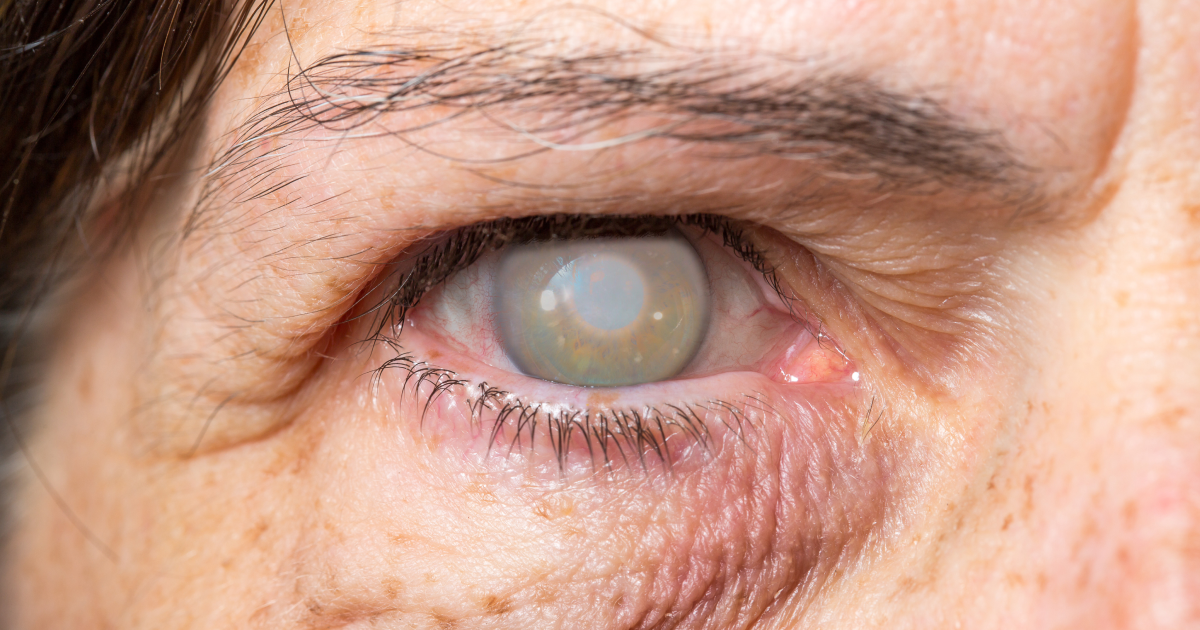
Corneal blindness is when the cornea of the eye, the clear front element of the eye is damaged, scarred, swollen, infected or clouded over. The cornea is also responsible for the light that enters the eye to be focused, thus when it’s not clear a person may have blurry vision, glares, haziness or serious visual issues. Per the National Eye Institute the cornea is the first element of the eye which light goes through and the cornea is what does the job of bending the light to get the eye to focus.
In other words corneal blindness isn’t the same as total blindness. Some people may see light, shadows, colors, or movement but may not be able to read, drive, work, or recognize faces. Many patients describe this condition as blindness due to cornea, especially when the inner parts of the eye are healthy but the front surface is no longer clear.
In India, the Press Information Bureau has noted that corneal blindness is an important cause of blindness and that prevention, early treatment, eye donation, and transplantation can help reduce its impact. It also states that vision in a corneal blind person may be restored through corneal transplantation in suitable cases.
What Causes Corneal Blindness?
The primary cause of corneal blindness is loss of corneal transparency. This may happen after infections, eye injuries, chemical burns, vitamin A deficiency, inherited corneal diseases, keratoconus, post op complications, or from long term inflammation. At the point when the clear cornea becomes hazy, white, grey, or develops scars it is what we see as corneal opacity.
A severe infection which in turn may cause damage to the deeper layers of the cornea and produce permanent scarring is what we see in some cases. This is why timely corneal ulcer treatment is very important. A small ulcer may heal well if treated early, but delayed care can lead to corneal opacity, thinning, perforation of the cornea and serious vision loss. In some cases we see patients may develop blindness due to cornea even when the retina is still functioning properly.
Eye injuries are also a large issue. Dust particles, metal chips, sharp objects, chemicals, firework injuries, plant material, or improper contact lens use can cause damage to the cornea. Also some people develop blindness due to cornea because of progressive diseases like keratoconus or Fuchs’ dystrophy. The NHS reports that keratoconus, Fuchs’ dystrophy, severe infection, cataract surgery complications, and eye injury are reasons which may require corneal replacement surgery.
| Cause | How It Can Affect the Cornea |
| Severe corneal infection | May cause ulcer, scarring, corneal opacity, and reduced vision |
| Eye injury or chemical burn | Can damage the corneal surface and leave a permanent scar |
| Keratoconus | Can change corneal shape and distort vision |
| Fuchs’ dystrophy | Can make the cornea swollen, cloudy, and hazy |
| Delayed treatment | Can increase long-term vision loss if not managed early |
Common Symptoms
The symptoms of corneal blindness may present slowly or all at once after an injury or infection. A person may report cloudy vision, glare in sunlight, night time vision difficulty, watering, redness, pain, light sensitivity, or that there is a foreign body in the eye. If infection is present you may see discharge, swelling, or a white spot on the cornea.
When there is corneal opacity present the black of the eye may appear cloudy or white. At times the opacity is very visible at other times it is only detected via an eye exam. In which blindness due to cornea often feel that glasses are no longer of help to the person as the issue is not in the eye’s focus but in the cornea’s health and clarity.
Pain, redness, sudden blur, a white spot, chemical injury, or reduced vision which may occur while using contact lenses should not be ignored. These signs require immediate evaluation at an eye specialist hospital as early intervention in eye treatment may save the cornea before the damage becomes permanent.
How Is It Diagnosed?
A cornea specialist diagnoses corneal blindness through a detailed eye examination. The doctor may test visual acuity, use a slit lamp microscope to look at the cornea, measure eye pressure, use special dye to see for scratches or ulcers and also check that the retina and the optic nerve are healthy. The National Eye Institute reports that they may use fluorescein dye which makes it easier to see corneal scratches.
If the cornea is cloudy what we do is study the size, depth, location, and density of the corneal opacity. In the eye a central scar does up to a greater extent then a small side one. With blindness due to cornea, this evaluation also helps the doctor determine if we can use medicine, laser procedures or surgery to improve vision.
Treatment Options for Corneal Blindness
The management of corneal blindness is based on the cause, stage, and severity. In the early stages we see infections, swelling, dryness, or inflammation which we treat with prescription drops, oral medicines, lubricating agents, protective lenses, or close follow up. If an ulcer is active, corneal ulcer treatment is usually the first priority because the infection must be controlled before vision restoration is planned.
If a scar is superficial, some patients may have success with laser surface treatment. If the scar is deep, central, or dense a corneal transplant is recommended. The National Eye Institute reports that corneal conditions may be treated with medicines, laser treatment, transplant surgery, or artificial cornea which will depend on the type and severity of damage.
A corneal transplant is performed in cases of damage to the cornea from which a person does not recover and in which vision loss is major. In which the diseased cornea tissue is replaced with that of a healthy donor is what this surgery does. According to the National Eye Institute a full thickness procedure is performed if the entire cornea is affected and a partial thickness if only some layers are damaged.
| Treatment Option | When It May Be Suggested |
| Medicines and eye drops | For infection, inflammation, dryness, swelling, or early disease |
| Corneal ulcer treatment | For active ulcers to control infection and reduce scarring risk |
| Laser surface treatment | For selected superficial scars or corneal irregularities |
| Corneal transplant | For severe corneal opacity, deep scars, or advanced corneal blindness |
| Artificial cornea | For selected complex cases where donor tissue may not be suitable |
What Happens During Transplant Surgery?
A cornea transplant will be done after a thorough evaluation by a cornea specialist. The surgery may include full cornea replacement or just the affected layers. Also the NHS reports that a cornea transplant which may be of full or partial cornea is performed and that the donor cornea is tested before use.
The kind of surgery performed depends on which layer is affected. We do full thickness and also front and back layer replacement for some patients. For a person with blindness due to cornea, the aim is to create a clearer front window so light can enter the eye properly again.
Recovery is a slow process. In some patients improvement is seen within a few weeks, in others it takes months for vision to stabilize. We do follow up visits, use prescribed eye drops, eye protection, and also ask that patients avoid rubbing their eyes which is very important. Also as reported by the National Eye Institute if after surgery there is eye pain, light sensitivity, redness, or cloudy vision we advise seek urgent medical care as these may be signs of rejection.
Can It Be Prevented?
Not all cases of corneal blindness are preventable but many of the risks may be reduced with prompt care. Eye injuries should be attended to right away. Contact lenses should be worn safely and cleaned properly. Redness that also includes pain or light sensitivity should not be treated with any random drops. Also, children with nutritional issues, eye infections or white patches in the eye should have early evaluation.
Prevention also includes a visit to the eye specialist hospital at the first sign of symptoms. Should the disease be active we focus on infection or inflammation control. If corneal opacity is present the docs may put forth that medicines, laser care, or a corneal transplant may help. For many patients with blindness due to cornea, better vision may be possible when the inner eye remains healthy.
When Should You Visit Vasan Eye Care?
If you have pain, redness, watering, discharge in the eye, a white spot present on the eye, sudden blur of vision, eye injury, chemical exposure, or reduced vision which does not improve with glasses you should visit Vasan Eye Care. Also if you have old scars, corneal opacity, keratoconus, or what is thought to be corneal blindness get a detailed cornea evaluation.
At Vasan Eye Care we have experienced ophthalmologists for you to see for diagnosis of your eye care needs, medical care, surgical planning and we offer the latest in eye treatments for corneal conditions. We see the value in timely care which is why we focus on early intervention that may prevent severe corneal damage from becoming permanent.
FAQs
Corneal blindness results from damage, scarring, swelling, infection, or clouding of the cornea. Retina may still be healthy but the damaged cornea which in turn distorts or blocks light before it reaches the back of the eye.
Corneal opacity which is also referred to as cloudy or scarred cornea may cause mild to severe vision loss. When the opacity is central and dense enough to block useful vision it may cause corneal blindness.
Yes, in many cases of blindness due to cornea this may be treated, we just have to see what the cause is and the health of the rest of the eye. We do have options for treatment including medicines, laser procedures, or a corneal transplant.
A corneal transplant may be needed when the cornea is badly scarred, cloudy, thin, swollen or damaged and other treatments fail to return vision to a useful degree. It is also the doctor which will determine what type of transplant is needed after performing an exam of the eye.
Yes. A corneal ulcer may also present very quickly as a matter of not treating it at all. In appropriate corneal ulcer treatment which will include use of antibiotics where required, removal of dead tissue, and in some cases surgery infection is controlled, scarring reduced and the incidence of corneal blindness lowered.
You should go to an eye specialist hospital that has cornea specific diagnostic tools and which also has a team of experienced ophthalmologists. Early diagnosis is key at that stage the doctor is able to determine if we require medication, a surgical procedure or a corneal transplant.
Corneal blindness is a large issue which is however in many cases treatable. It may result from infection, injury, corneal opacity, inherited corneal disease, or delay in treatment. The primary step is early diagnosis which in turn may see many corneal conditions treated before they lead to permanent damage.
If you or your family member has symptoms of blindness due to cornea, do not wait for the condition to worsen. Go to Vasan Eye Care for a detailed cornea exam, diagnosis, and appropriate treatment.
Reference
- National Library of Medicine – https://pmc.ncbi.nlm.nih.gov/articles/PMC9643016/
- Eye Bank Association Of America – https://restoresight.org/wp-content/uploads/2017/02/Understanding-Corneal-Blindness-New-Logo.pdf
- IAPB – https://www.iapb.org/learn/knowledge-hub/eye-conditions/corneal-visual-impairment/