
Dots, threads, rings or cobwebs that appear in the field of vision are what we term as floaters. They may present against a white background, bright screen or blue sky which make them more visible. For the most part they are a result of age related changes which are harmless, but a sudden onset may be a sign of retinal tear or detachment. The right eye floaters treatment starts by deciding whether the symptom is routine or urgent.
People often search what causes eye floaters and how to reduce floaters in eyes naturally. To understand what causes eye floaters symptoms are to be compared with results of a dilated retinal exam. Also it is found that different types of eye floaters may look the same even when their medical importance is very different.
What Are Eye Floaters?
The eye contains a vitreous which is a clear gel. As we age these may break down and clump up which in turn cast moving shadows on the retina. For stable symptoms eye floaters treatment may mean a period of watchful waiting. The brain often adapts to ignore them. New, increasing or visually disturbing floaters still require an eye exam.
What Causes Eye Floaters?
The most common answer to what causes eye floaters is natural ageing of the vitreous. Posterior vitreous detachment, a process which sees the gel separate from the retina, also which may produce new floaters or flashes. Severe short sightedness, diabetes, cataract surgery and eye trauma increase risk. Other answers to what causes eye floaters include inflammation, infection, bleeding, retinal tears and retinal detachment. In such cases, eye floaters treatment must address the underlying condition.
| Possible cause | Typical pattern | Usual approach |
| Age-related vitreous change | Stable dots or strands | Observation after examination |
| Posterior vitreous detachment | Sudden floaters, sometimes flashes | Prompt dilated retinal check |
| Inflammation or bleeding | Haze, dark spots or reduced vision | Treat the underlying condition |
| Retinal tear or detachment | Shower, flashes, curtain or shadow | Emergency retinal care |
This overview of what causes eye floaters cannot replace diagnosis. Knowing the types of eye floaters is useful, but a dilated examination which tells us harmless changes from sight threatening retinal diseases.
Types of Eye Floaters
Common types of eye floaters include dots, strands, translucent rings, clouds and cobwebs. A ring shaped floater may present when the vitreous detaches near the optic nerve. Some types of eye floaters are small and rare; others which are large interfere with reading or driving.
| Appearance | What it may look like | When to seek care |
| Dots or specks | Small moving dark marks | If new or increasing |
| Threads or cobwebs | Fine drifting lines | If sudden |
| Ring-shaped floater | Circular shadow | Arrange a dilated check |
| Shower of spots | Many new dots together | Seek immediate assessment |
These types of eye floaters describe appearance, not cause. New symptoms should not be self-diagnosed.
Warning Signs That Need Urgent Care
Seek prompt help when floaters come on suddenly, multiply fast, appear with flashes, blur vision, cause pain or follow injury or surgery. A dark shade, shadow or blank spot in vision is an emergency warning sign. In those cases eye floaters treatment may include emergency retinal laser or surgery. Any notice of a sudden change should be brought to the doctor’s attention right away. Early intervention can protect vision if a retinal issue is present.
How Are Eye Floaters Diagnosed?
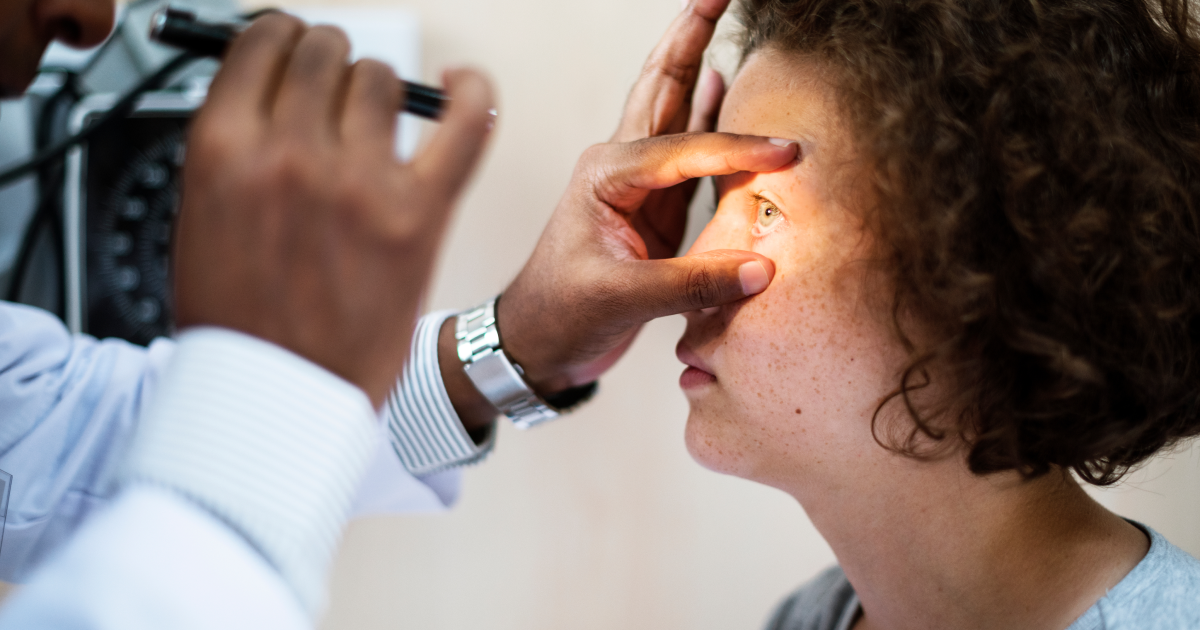
An ophthalmologist will look at the time, which eye is affected, the flashes, and vision changes. We use dilated pupils for a better look at the vitreous and retina. In case the doctor is unable to see through, we will use imaging or ultrasound. The findings guide eye floaters treatment, identify the types of eye floaters, and reveal whether related retinal diseases need attention.
Eye Floaters Treatment Options
Eye Floaters Treatment Through Observation
Most of the time we don’t do a procedure for age related floaters. If the retina is healthy and symptoms are mild eye floaters treatment usually means reassurance and monitoring as treatment. Floaters tend to fade over time.
Eye Floaters Treatment With Laser Vitreolysis
Laser vitreolysis which in some cases breaks up floaters into smaller pieces is not for all floaters or patients. Prior to this eye floaters treatment the retina is evaluated and a discussion of what is to be gained and what is at risk is had.
Eye Floaters Treatment With Vitrectomy Surgery
For persistent floaters which do indeed impair daily vision an ophthalmologist may bring up the option of vitrectomy surgery. In this procedure the vitreous gel is removed and a clear substitute put in. While it may reduce the shadows, there are risks of cataract, bleeding, infection and retinal tear. Also, because of these risks surgical eye floaters treatment is a choice we reserve for very specific cases.
Eye Floaters Treatment for the Underlying Cause
It is certain that inflammation, infection, bleeding, diabetes related damage or retinal tear is the cause of eye floaters treatment. We have medicines, injections, retinal laser and surgery as suitable eye treatments.
How to Reduce Floaters in Eyes Naturally
Many patients ask how to reduce floaters in eyes naturally. We have not found any food, supplement, exercise or home remedy that is effective in the removal of age related vitreous floaters. While good hydration, well balanced diet, good control of diabetes, use of protective eye wear and regular eye exams do support in overall eye health it does not include floater removal.
A practical approach to how to reduce floaters in eyes naturally is reducing visual distraction. Try out comfortable lighting, balanced screen brightness and regular visual breaks which may make symptoms more tolerable. When researching how to reduce floaters in eyes naturally, avoid unverified drops or supplements promising a cure. It is only after you have ruled out urgent warning signs that the question of how to reduce floaters in eyes naturally should be addressed.
Eye Floaters Treatment at Vasan Eye Care
At Vasan Eye Care we may perform a full eye exam, we may also do a dilated pupil and retinal evaluation. We aim to determine what causes eye floaters, to tell the difference between harmless vitreous changes and retinal diseases, and to put forth appropriate eye floaters treatment.
When symptoms affect vision, patients may be counselled about observation, laser options or vitrectomy surgery. . For those asking how to reduce floaters in eyes naturally, doctors also present what is known that home solutions do not take the place of proper diagnosis. Recommended eye floaters treatment and eye treatments depend on the cause.
Conclusion
Most floaters are harmless, but sudden changes require prompt attention. What causes eye floaters, which types of eye floaters we have and which eye floaters treatments to choose from is important to know which in turn may help to avoid delay. Advice on how to reduce floaters in eyes naturally must not replace a dilated retinal examination.
Frequently Asked Questions
They may not go away at all but do fade in noticeability. Eye floaters treatment is often not done unless vision is impaired.
The best eye floaters treatment depends on the cause. Most common is watchful waiting; laser or surgery may be a choice when vision is very much affected.
There is no definitive natural cure.For how to reduce floaters in eyes naturally, use comfortable lighting and get into a routine of eye check ups.
Common causes of sudden floaters are vitreous detachment, bleeding in the eye, or a retinal tear. If you see sudden floaters along with flashes you should have that checked out as soon as possible.
No. Many types of eye floaters are harmless, but a sudden shower, flashes or a curtain-like shadow can indicate an emergency.
Reference Links
- National Eye Institute, United States — Floaters
https://www.nei.nih.gov/eye-health-information/eye-conditions-and-diseases/floaters - National Eye Institute, United States — Vitreous Detachment
https://www.nei.nih.gov/eye-health-information/eye-conditions-and-diseases/vitreous-detachment - MedlinePlus, U.S. National Library of Medicine — Eye Floaters
https://medlineplus.gov/ency/article/002085.htm - NHS, United Kingdom — Floaters and Flashes in the Eyes
https://www.nhs.uk/symptoms/floaters-and-flashes-in-the-eyes/ - Healthdirect Australia — Eye Floaters
https://www.healthdirect.gov.au/eye-floaters