
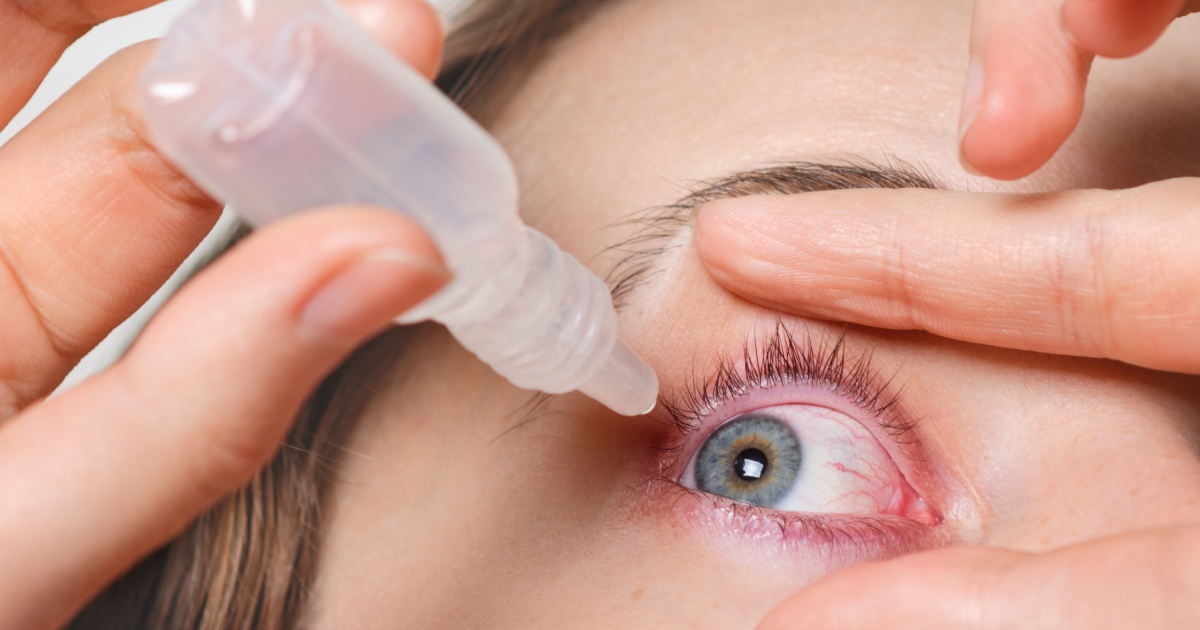
Dry eye which is a very common issue affects reading, driving, screen time and daily comfort. Understanding dry eyes causes helps patients recognise the problem instead of repeatedly using random drops. There are many dry eye symptoms which include burning, grittiness, redness, watering and also fluctuating vision. The right dry eye treatment depends on if your eyes produce too little tear, if your tears evaporate too soon or if the tear film quality is damaged by inflammation.
What Happens When the Eyes Become Dry?
A healthy tear film consists of oily, watery and mucus layers. These in turn keep the cornea smooth, wash out particles and reduce evaporation. An imbalance explains many dry eyes causes, including ageing, eyelid-gland dysfunction and environmental exposure. The National Eye Institute reports that dry eye develops when tear production is insufficient, tears evaporate too quickly or they don’t function properly.
Patients searching how to cure dry eyes permanently should know that we usually control the condition rather than permanently fix it. An eye exam will determine dry eyes causes and recommend the best dry eye syndrome treatment.
Common Dry Eyes Causes
Ageing is among the most frequent dry eyes causes because tear production decreases over time. Also at menopause we see increased contribution from hormones. Another very common dry eyes causes is screen use which brings about less blinking thus increasing evaporation.
Environmental dry eye causes include smoking, wind, air conditioning, low humidity and direct fan exposure. Also reports of dryness which may be caused by contact lens use. Some drugs like antihistamines, decongestants, antidepressants and certain blood pressure meds can reduce tear production but always check with your health care provider before discontinuing any prescribed medicine.
Blepharitis and meibomian gland dysfunction are issues in dry eye causes which is a result of blocked oil glands in the eyelids that cause unstable tears. Also causes of dry eyes causes are diabetes, thyroid issues, rheumatoid arthritis, lupus, Sjögren syndrome and past eye surgery.
| Factor | Effect on the Eyes |
| Reduced tear production | Age, hormones, medicines or autoimmune disease can lower tear volume |
| Fast evaporation | Poor eyelid oils, infrequent blinking, heat or wind destabilise tears |
| Inflammation | Ongoing irritation worsens tear quality and comfort |
| Eyelid problems | Blepharitis, gland blockage or incomplete closure exposes the surface |
Several dry eyes causes may occur together, so self-treatment can miss other dry eyes causes.
Dry Eye Symptoms That Need Attention
Typical dry eye symptoms include burning, stinging, sandiness, redness, light sensitivity and blurred vision which improves upon blinking. Also excessive watering may present as a result of reflex tears which do not stay on the eye.
Some dry eye symptoms worsen late in the day, during computer use or in air conditioned settings dry eye symptoms tend to flare up. Contact lenses may worsen dry eye symptoms. Pain, marked redness, discharge, injury, sudden change in vision or sensitivity to light are not to be treated as just dryness. Keeping a log of when dry eye symptoms present itself will help the ophthalmologist connect it to the use of screens, medications, contact lenses, work environment or lid inflammation.
How Dry Eye Is Diagnosed
An ophthalmologist reviews symptoms, medicines, health conditions and habits. In the exam the eyelids, cornea and tear film are assessed. Break up time of the tears is measured for stability, also we do Schirmer test which measures production. We use surface dyes to identify dry areas or corneal damage. Testing separates dry eyes causes from allergy, infection or eyelid disease. It also allows dry eye treatment to match aqueous-deficient or evaporative disease.
Timely Dry Eye Treatment
For mild cases of dry eye treatment may recommend the use of appropriate artificial tears, break from the screen, practice of conscious blinking, hydration, use of a humidifier and protection from smoke or draft. Preservative free drops may be used when frequent lubrication is required as per professional evaluation.
Warm compresses and eyelid hygiene may help when dry eyes causes, involve blocked oil glands. In the case of persistent issues we may turn to prescriptive anti-inflammatory drops, care of an associated condition or punctal plugs which in turn slow drainage. The National Eye Institute reports on artificial tears, prescription medicines, lifestyle changes and punctal plugs as treatment options.
| Situation | Possible Care Approach |
| Mild irritation | Lubrication, blinking breaks and environmental changes |
| Eyelid-gland dysfunction | Warm compresses, lid care and clinician-guided therapy |
| Persistent inflammation | Prescription medicine after examination |
| Fast tear drainage | Punctal plugs may be considered |
Effective dry eye treatment addresses specific dry eyes causes, controls recurring dry eye symptoms and protects the cornea.
How to Cure Dry Eyes Permanently: Is It Possible?
People often ask how to cure dry eyes permanently, but there is no universal permanent solution. When dry eyes causes are temporary issues like from too much screen time or a dry climate, symptoms will go away with correction of the issue. For these conditions, how to cure dry eyes permanently is less realistic than long-term control.
A realistic answer to how to cure dry eyes permanently is to identify triggers, treat eyelid disease, control inflammation and to follow a very consistent plan. When given advice on how to cure dry eyes permanently, do it with a grain of salt which will also do away with any promises of instant results. An ophthalmologist will be able to explain what to expect from control and also how much does dry eye treatment cost once they have run the required tests and determined which therapies are best.
Also Read: How to Take Care of Eyes: Tips & Why It Matters in 2026
Daily Habits That Support Comfortable Eyes
The 20-20-20 rule is to look at something 20 meters away for 20 seconds every 20 minutes of screen time. It also gets you to blink which in turn does not take the place of dry eye treatment.
For people asking how to cure dry eyes permanently, support measures include to keep screens a little below eye level, to avoid direct air flow, to use contact lenses as advised by a professional and to follow what is put forth by your dry eye treatment plan. While these do help to reduce dry eye symptoms, how to cure dry eyes permanently still depends on proper assessment.
When Should You Visit an Eye Specialist?
Arrange an evaluation when you still have dry eye symptoms after using basic lubricants, which also includes when they disrupt your work or sleep, or make contact lenses hard to put in. Early review is useful when dry eyes causes may include autoimmune disease, medicine effects or eyelid inflammation. Addressing dry eyes causes early can protect the cornea. At Vasan Eye Care we will do a tear film assessment and present you with a tailored dry eye syndrome treatment.
Frequently Asked Questions
Common dry eye causes are low tear production, fast evaporation, gland blockage, medicine side effects and environmental exposure. The answer to how to cure dry eyes permanently depends on the cause; many cases need long-term control.
Every 20 minutes step away from the screen and look at something 20 feet away for 20 seconds. It is a way to encourage blinking which may in turn help with screen related dry eye symptoms although it is not complete dry eye treatment.
“Stage 4” is a variable term but it does report very severe disease which in turn causes great discomfort and we see at this stage surface damage also which may be extensive. At this stage of the disease prompt dry eye syndrome treatment is a must.
Use of clinician recommended lubricants, avoid direct airflow and to stop contact lens use as advised. For people that are asking how to cure dry eyes permanently do to self medication a big no no because care depends on dry eyes causes, severity and how much does dry eye treatment cost.
Reference Links
- National Eye Institute, Dry Eye:
https://www.nei.nih.gov/eye-health-information/eye-conditions-and-diseases/dry-eye - National Eye Institute, Causes of Dry Eye:
https://www.nei.nih.gov/eye-health-information/eye-conditions-and-diseases/dry-eye/causes-dry-eye - National Eye Institute, Testing for Dry Eye:
https://www.nei.nih.gov/eye-health-information/eye-conditions-and-diseases/dry-eye/testing-dry-eye - MedlinePlus Medical Encyclopedia, Dry Eye Syndrome:
https://medlineplus.gov/ency/article/000426.htm - Guy’s and St Thomas’ NHS Foundation Trust, Dry Eye Syndrome Treatment:
https://www.guysandstthomas.nhs.uk/health-information/dry-eye-syndrome/treatment