
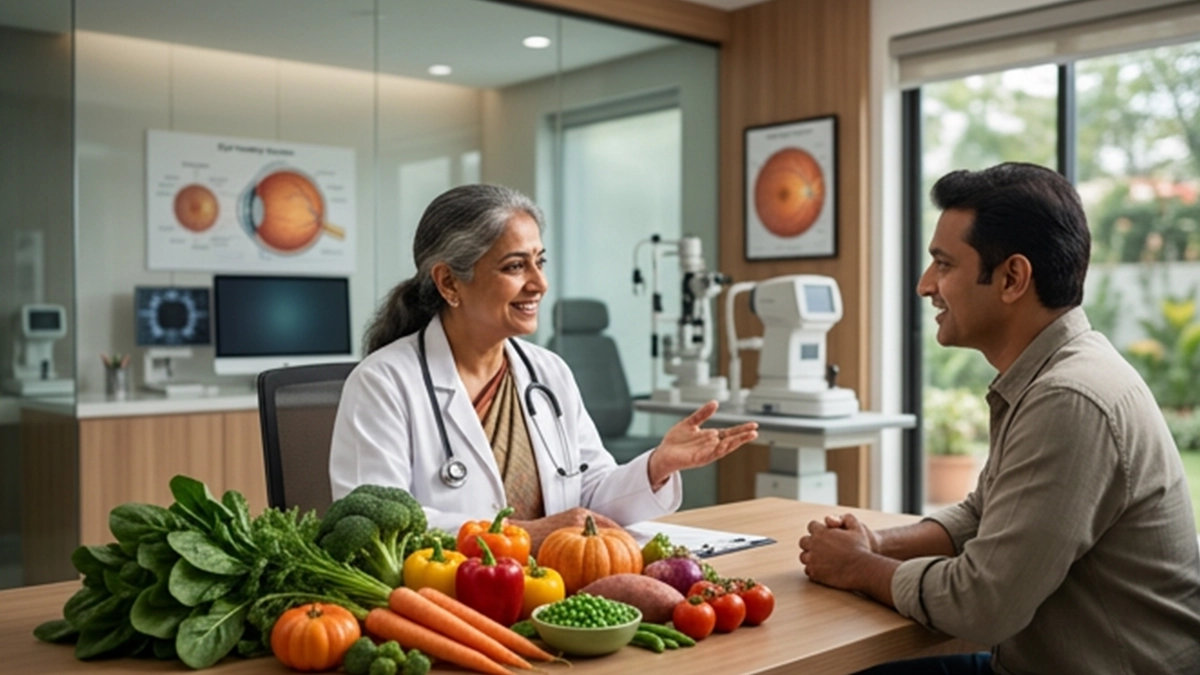
Good nutrition is a support for the health of your eyes which in turn allows your eyes to function properly but it isn’t a solution for all vision issues. As you put together meals which include the best vegetables for eye health you can get in vitamin A precursors, vitamin C, lutein, zeaxanthin and other plant based nutrients. For those looking to improve an eye healthy diet, colorful vegetables are a practical place to start.
Why Vegetables Matter for Eye Health
The retina, lens and ocular surface require proper nutrition. Vitamin A is a key player in normal vision which you also get from leafy greens that in turn supply carotenoids like lutein and zeaxanthin. It is also a great idea to choose the best vegetables for eye health which in no way cures refractive errors or eye disease but does support overall health.
The National Eye Institute puts out that a well balanced diet which includes dark leafy greens like spinach and kale is what you should be eating. For folks that choose from the vegetable for eyesight health, what you eat is a larger issue than putting all of your eggs in one basket.
10 Best Vegetables for Eye Health
| Vegetable | Key Nutrients | Why It Can Support Eye Health |
| Spinach | Lutein, zeaxanthin, vitamin C | Supports a nutrient-rich diet for the retina and macula |
| Kale | Lutein, zeaxanthin, vitamin C | Provides carotenoids found in dark leafy greens |
| Carrots | Beta-carotene | Beta-carotene can be converted into vitamin A |
| Sweet potato | Beta-carotene | A rich source of provitamin A |
| Broccoli | Vitamin C, carotenoids | Adds antioxidant nutrients and dietary variety |
| Pumpkin | Beta-carotene | Supports vitamin A intake through provitamin A carotenoids |
| Red bell pepper | Vitamin C, carotenoids | Adds vitamin C and colourful plant compounds |
| Green peas | Lutein, zeaxanthin | Provides carotenoids, fibre and plant protein |
| Corn | Lutein, zeaxanthin | Contributes yellow carotenoids to meals |
| Moringa leaves | Beta-carotene, vitamin C | Adds nutrient diversity to Indian meals |
How to Add These Vegetables to Daily Meals
Spinach and kale are at the top of the list for best vegetables for eye health which in turn is supported by the fact that they are told to eat from a healthy vision standpoint. Carrots, pumpkin and sweet potatoes supply beta carotene which the body in turn changes into vitamin A. Also broccoli, peppers and moringa which add to the mix of nutrients in an eye healthy diet.
| Meal | Simple Vegetable Idea |
| Breakfast | Vegetable poha with peas, carrots and peppers |
| Lunch | Dal with spinach, plus broccoli or seasonal sabzi |
| Snack | Carrot sticks or lightly steamed corn |
| Dinner | Pumpkin, sweet potato or moringa-based curry |
Try out a color rotation each week. Dark green, orange, yellow and red veggies present a wide range of nutrients which you don’t get from eating the same veg daily. Also this is an easy way to include the best vegetables for eye health while planning vegetables for eyesight.
Can Vegetables Improve Vision?
The best veg for eye health is a great option, you must clarify they do not put a stop to issues like blurry vision, cataracts, glaucoma, retinal disease or refractive errors. If you see sudden changes in your vision please see a health professional. At Vasan Eye Care you often do a full eye exam which is able to tell if your issue is related to need for new specs, eye surface issues, pressure, retina or some other cause.
For healthful eyesight include in your diet lots of veggies for better vision along with physical activity, proper sun protection, management of diabetes or blood pressure as they present, and regular eye exams. Best veggies for eye health do best when included in a balanced lifestyle.
What to Remember
There is not one single “super vegetable” for eyesight. The best vegetables for eye health are ones which are the most nutritious that you can make a habit to include in your diet regularly and in a variety. Spinach, carrots and a rainbow of fruits and vegetables will enhance the quality of your eye healthy diet.
If you notice persistent blur, eye pain, flashes, floaters, or if the way you see things changes and it is a noticeable issue, get in to see an eye specialist for an assessment rather than trying to control it with what you put in your diet. Nutrition is very important but no amount of healthy food can change the fact that you still need a diagnosis and treatment for an eye issue you may have.
Related Nutrition Tips for Healthy Eyes
Including a variety of vegetables in your daily diet can help provide essential nutrients that support normal vision and overall eye health. Explore the best foods for eye health to discover more nutrient-rich options, and learn about fruits for eye health that can complement a balanced diet. Understanding the role of antioxidants for eye health can also help you make informed food choices. Along with healthy eating, recognising the importance of hydration can help support normal tear production and eye comfort. For ongoing eye care, schedule a regular eye check-up to help identify potential vision problems and discuss any concerns with an eye care professional.
Frequently Asked Questions
1. Which vegetable is best for eye health?
Spinach, kale, carrots and sweet potatoes are great options which provide carotenoids or provitamin A. They are the best vegetables for eye health.
2. Can carrots improve eyesight?
Carrot’s present beta carotene which the body puts into vitamin A, but they do not correct vision or treat eye disease.
3. How often should I eat eye-friendly vegetables?
Include a variety of produce daily as part of a balanced diet instead of looking to a single food.
References
National Eye Institute – Keep Your Eyes Healthy
https://www.nei.nih.gov/eye-health-information/healthy-vision/how-eyes-work/keep-your-eyes-healthy
NIH Office of Dietary Supplements – Vitamin A and Carotenoids: Fact Sheet for Consumers
https://ods.od.nih.gov/factsheets/VitaminA-Consumer/