
Anterior uveitis which is inflammation at the front of the eye usually affects the iris. It may present with pain, redness, blurry vision and light sensitivity. While it often improves with early intervention it is important to treat promptly as delay may lead to complications. At Vasan Eye Care we evaluate any signs of inflammation in order to determine the issue and identify what may have caused it.
What Is Anterior Uveitis?
A uveitis definition is the inflammation of the uvea, which is the eye’s middle layer. In the front part of the eye which is where the inflammation appears, it is called anterior uveitis. As you attempt to define uveitis, know that it is a group of inflammatory conditions and not a single disease.
Anterior uveitis is what we see the most of. Intermediate uveitis affects elements which are further back, which includes the vitreous. We may report inflammation in the vitritis eye. Also used in search for information on eye inflammation is the term uveitis eye. Per the National Eye Institute’s guide to uveitis, if left untreated vision may be lost which is why early assessment is key.
| Type | Main Area Affected | Typical Features |
| Anterior | Iris/front of eye | Pain, redness, light sensitivity |
| Intermediate | Ciliary body/vitreous | Floaters, blurred vision |
| Posterior | Retina/choroid | Reduced vision, floaters |
| Panuveitis | Multiple areas | Mixed symptoms |
Common Symptoms
Typical uveitis symptoms include a pain in the eye, redness, blurred vision, watering and sensitivity to light. Some people present with an anterior uveitis or unequal pupil. Symptoms can appear very suddenly.
A painful red eye may not immediately be that of conjunctivitis which the NHS reports. In the case of uveitis they recommend to bring in for an eye check if you have pain, very red eyes, light sensitivity or vision changes. An eye doctor will be able to determine if it is anterior uveitis or some other issue.
What Causes Anterior Uveitis?
The uveitis is not always determined. In some cases of anterior uveitis the etiology is idiopathic which means we do not find a clear trigger. Also it may be associated with autoimmunity or inflammatory diseases, infections, eye injury or other ophthalmic conditions.
Non granulomatous uveitis is a term for an inflammatory pattern and not a single disease. Uveitis is a result of an immune driven inflammation within the eye. Also an eye specialist may ask about joint pain, skin symptoms, bowel problems, infections and past attacks.
How Is It Diagnosed?
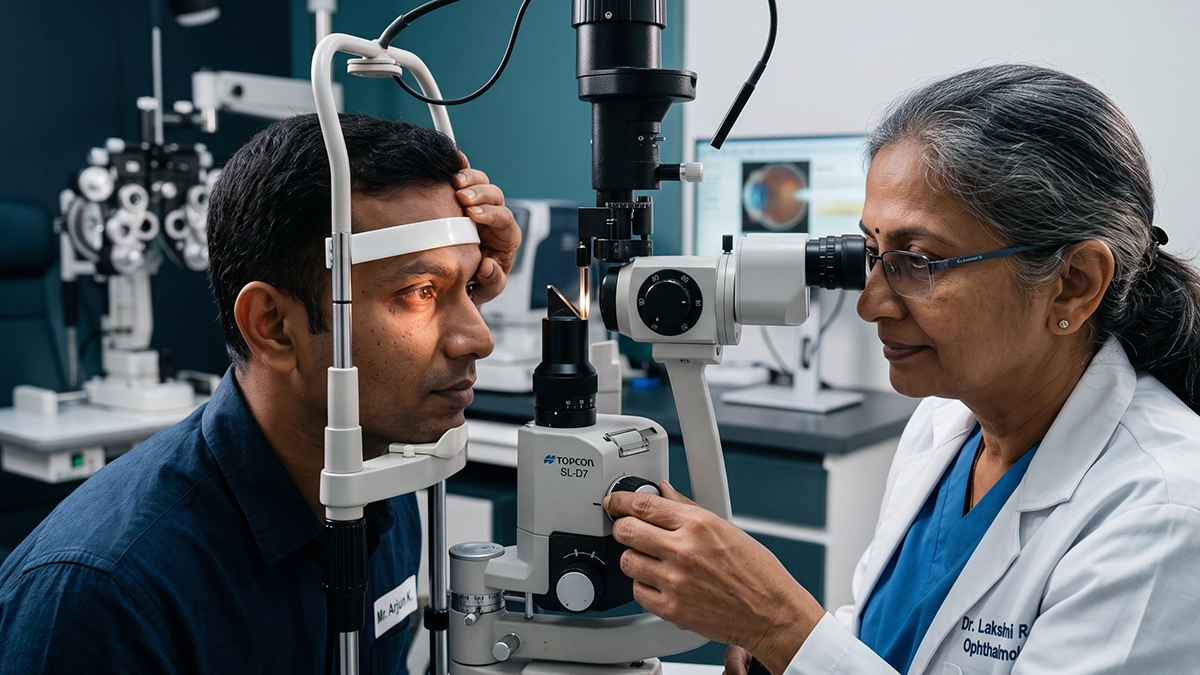
Diagnosis of anterior uveitis starts at an eye hospital. We use a slit lamp exam to look for inflammatory cells in the front chamber. Also we may check eye pressure and do a dilated exam which looks at the retina and vitreous.
There is not a single set of uveitis test which we apply to all patients. If anterior uveitis is recurring, affects both eyes or at the same time you are presenting with symptoms in other parts of the body blood tests or imaging may be done.
| Assessment | Why It May Be Done |
| Slit-lamp examination | Looks for inflammation in the front of the eye |
| Eye-pressure check | Detects pressure changes |
| Dilated examination | Checks the retina and vitreous |
| Blood tests or imaging | Investigates selected underlying causes |
Treatment for Anterior Uveitis
Anterior uveitis treatment is based on the cause and severity. We use prescription corticosteroid eye drops very often to reduce inflammation. Also we may use dilating or cycloplegic drops which also reduce pain and which help prevent the iris from adhering to the lens.
Treatment has to be under the supervision of an ophthalmologist for steroid drugs that may cause side effects and at times may not be the best choice in some infections. If anterior uveitis is a result of infection or a systemic inflammatory disease other treatment may be needed. Follow up helps the eye specialist to adjust medicines safely.
Untreated or chronic anterior uveitis may lead to cataracts, glaucoma, macular edema or in severe cases, blindness. Timely eye care and appropriate eye treatments can help reduce these risks.
When Should You See an Eye Specialist?
Seek medical care at once for a painful red eye, new light sensitivity, sudden blurred vision or reduced vision. If you have had anterior uveitis in the past, report these symptoms early as the disease may return.
At Vasan Eye Care our ophthalmologists do an in depth assessment which includes differentiating between causes of inflammation and other red eye cases which we then guide on the appropriate care for. We also stress that early input from an eye doctor is key to protection of vision.
Conclusion
Anterior uveitis does in fact present as a manageable issue if recognized and treated at the first sign. It is important to be aware of the symptoms and what may cause it and also which treatment is right for which case in order to get care early. If you do notice these symptoms seek out an eye exam as soon as you can which may prevent complications. pain or redness may subside on their own but that doesn’t mean the uveitis is going away so don’t wait.
Frequently Asked Questions
1. What is anterior uveitis?
Anterior uveitis is a condition which sees the iris and the front of the uveal tract inflamed. It also often causes pain, redness and light sensitivity.
2. Can it cause vision loss?
Yes. Severe, recurrent or untreated inflammation can affect vision, so early treatment matters.
3. Is it always caused by infection?
No. It may be autoimmune, infection-related, injury-related or idiopathic.
4. How long does treatment take?
Some episodes improve within weeks; recurrent disease may need longer monitoring.
5. Can anterior uveitis come back?
Yes. Anterior uveitis can recur, especially with certain inflammatory conditions.