
Many people assume that blurry vision is a normal part of the aging process. What they don’t know is that it may in fact be the very first sign of a cataract. A cataract which is a situation where the clear lens in your eye turns cloudy. It is the leading cause of blindness in India and we have treatments for it. To know the early cataract signs and symptoms is to act in time. In this guide we will go over three changes you should never ignore, the main types of cataract, and when to see an eye care professional.
What Is an Eye Cataract?
Your eye has a natural lens behind the iris, the coloured part of the eye. This lens is clear, like a glass window.
An eye cataract develops when the lens becomes cloudy. It is as though you are looking through a foggy window. For most people cataracts grow slowly as they age, which is why at first they may go unnoticed. This is the reason for early cataract signs and symptoms to go easy on you.
Cataract Physiology in a Nutshell.
The lens is made up of mostly water and special proteins which are arranged in a precise manner for light to pass through. In terms of the physiology of cataract what we are looking at is how that process breaks down. With age, sun exposure, diabetes or smoking the proteins begin to break down and clump together. Also over time the lens may also turn yellow or brown. By understanding what goes wrong in the path physiology of the cataract we can see how vision progressively gets worse.
3 Cataract Signs and Symptoms You Should Not Ignore
Most eye cataract symptoms start small. Here are the three changes doctors see most often.
1. Blurry or Cloudy Vision
Things go out of focus, it’s as if you have a film over your eyes. Reading fine print, seeing faces or watching TV becomes more difficult. Cleaning your glasses does not help. This is one of the most common cataract symptoms.
2. Glare, Halos and Poor Night Vision
Bright lights may appear too intense. You may see rings (halos) around street lights or car headlights. Many people learn why night driving gets harder only after a cataract is diagnosed. These are the eye cataract symptoms which make night driving unsafe.
3. Faded Colours and Frequent Glasses Changes
Colours may look dull or yellowish. Some people need a new pair of glasses to power again and again within a short time. Others notice double vision in one eye. These cataract symptoms mean the lens is changing. If your power keeps changing, ask your doctor whether you need cataract surgery or new glasses.
Common Cataract Symptoms and What They Mean
| What You Notice | What It May Mean |
| Blurry or misty vision | Clouding of the lens |
| Glare and halos around lights | Light scattering through cloudy areas |
| Poor night vision | Less light reaching the back of the eye |
| Faded or yellow colours | Lens turning yellow or brown |
| Frequent change in glasses power | Lens focus changing |
| Double vision in one eye | Uneven clouding in the lens |
Not every blurry eye means a cataract. That is why any of these cataract signs and symptoms should be checked by an eye doctor.
Common Types of Cataract
There are several types of cataract. Each one grows in a different part of the lens and can cause slightly different eye cataract symptoms. They all follow the same basic pathophysiology of cataract, just in a different area.
- Nuclear cataract: Forms in the center of the lens. This often blurs distance vision and causes colors to appear yellow.
- Cortical cataract: Begins at the edge of the lens, as white spokes of a wheel. It often causes glare.
- Posterior subcapsular cataract: Develops at the back of the lens. It grows faster and affects reading and vision in bright light. It is more common in people with diabetes or those using steroid medicines.
Knowing the types of cataract helps your doctor plan the right care.
Who Is at Higher Risk?
Some people may notice cataract signs and symptoms earlier than others because of certain risk factors.
Risk Factors for Eye Cataract
| Risk Factor | Why It Matters |
| Older age | Lens proteins break down naturally over time |
| Diabetes | High sugar speeds up lens changes |
| Smoking | Adds harmful stress to the lens |
| Long hours in strong sunlight | UV rays can damage the lens |
| Long-term steroid use | Linked to cataract at the back of the lens |
| Eye injury or past eye surgery | Can damage the lens |
| Family history | Some people are more likely to get it |
Each of these factors adds to the pathophysiology of cataract by stressing the lens proteins. Wearing sunglasses, controlling sugar and quitting smoking may help protect your eyes.
How Is a Cataract Found and Treated?
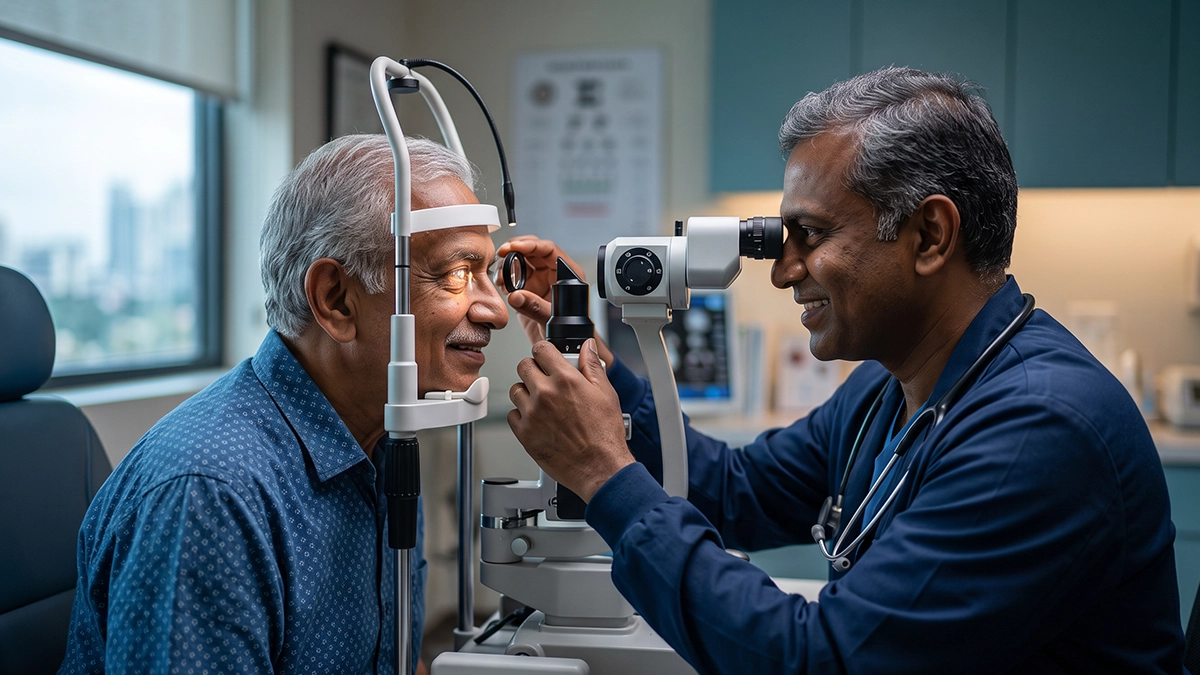
If you notice any cataract signs and symptoms, ask your doctor how a cataract is confirmed. Usually what the doctor will do is check your vision, put in some drops to dilate your pupil and then use a special microscope which is a slit lamp to look at the lens.
In the early stages, new glasses and better lighting may help. As your eyes start to be affected in day to day activities that is when your doctor will explain when cataract surgery is needed. Surgery here is to remove the cloudy lens and in its place put in a clear artificial one.
Conclusion
Knowing the signs and symptoms of cataracts will protect your vision. Blurry vision, night glare and faded colors are not what you think of as just a sign of age. These may in fact be cataract symptoms which require a proper eye exam. Don’t ignore eye cataract symptoms even if they are minor. An eye cataract is very common and treatable. If you or a parent see any of these cataract signs and symptoms, book an eye check up at Vasan Eye Care.
Frequently Asked Questions
1. What are the early signs of cataract?
At first you may notice mild blur, light glare, and that you require more light in order to read.
2. Do cataract eye symptoms cause pain?
No. A cataract usually does not cause pain or redness. If your eye is hurting see a doctor right away as it may be a different issue.
3. At what age do cataract symptoms usually begin?
Most people begin to notice them after the age of 50. They may start earlier in people with diabetes or an eye injury.
4. Do all types of cataracts require immediate surgery?
No. Many cataracts grow slowly. Your doctor may choose to watch them until they begin to affect your daily life.
References
- Cataracts – National Eye Institute (NIH)
https://www.nei.nih.gov/learn-about-eye-health/eye-conditions-and-diseases/cataracts - Cataract – StatPearls, National Library of Medicine (NIH)
https://www.ncbi.nlm.nih.gov/books/NBK539699/ - National Programme for Control of Blindness & Visual Impairment – Ministry of Health and Family Welfare, Government of India
https://npcbvi.mohfw.gov.in/