
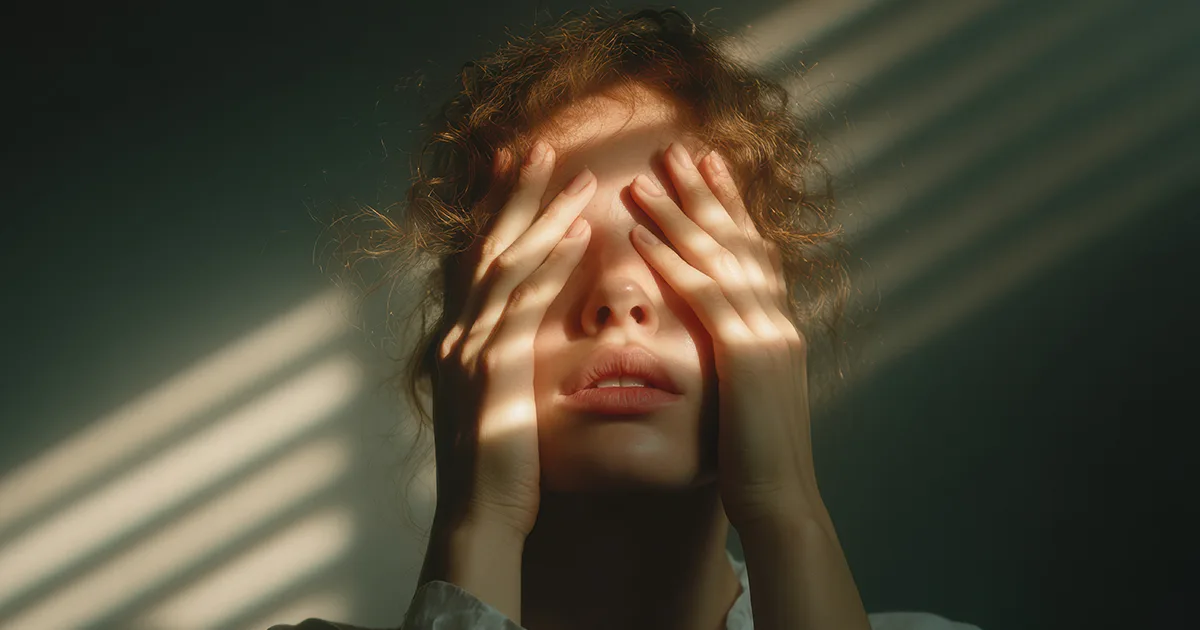
You step out from an air-conditioned shop into bright afternoon light and instantly squint, wince, and reach for sunglasses. For most people, that reaction eases within seconds. For someone with photophobia, it does not. Bright light continues to feel painful, and everyday tasks like reading, driving, or even watching TV become uncomfortable.
This guide walks you through what photophobia is, what causes it, how it is treated, and practical ways to manage daily life.
What Is Photophobia?
Photophobia, often called light sensitivity, is an abnormal intolerance of light. It is not a fear of light in the usual sense of a phobia. It is physical discomfort, and it can affect one or both eyes.
People with photophobia may:
- Squint in ordinary indoor lighting
- Avoid bright rooms or sunlight
- Feel pain at the back of the eye or in the forehead with light
- Need sunglasses indoors
- Experience watering, headache, or nausea with bright light
- Struggle with screens, fluorescent lights, or car headlights at night
What Causes Photophobia?
Eye-related causes
- Dry eye disease
- Corneal injury or ulcer
- Anterior uveitis (iritis)
- Conjunctivitis in its acute stage
- Keratitis (corneal inflammation)
- Iris or pupil problems, including post-surgical mydriasis
- Cataract in certain stages
- Recent eye surgery
- Use of certain eye drops (cycloplegics)
Neurological causes
- Migraine and cluster headache
- Meningitis
- Subarachnoid haemorrhage
- Post-concussion syndrome
- Trigeminal autonomic cephalalgias
- Blepharospasm
Systemic and other causes
- Certain medicines (tetracyclines, digoxin, some psychiatric drugs)
- Thyroid eye disease
- Autoimmune conditions such as lupus
- Some infections
- Fair or albino eyes with less melanin protection
- Fatigue and lack of sleep
Mental health and neurological overlap
Photophobia can be part of post-traumatic stress disorder, fibromyalgia, chronic fatigue, and certain anxiety disorders.
Pinpointing the cause is the first step to effective management.
Common Symptoms That Accompany Photophobia
- Tearing
- Squinting or closing the eyes in bright light
- Eye pain
- Headache, often around the temples or forehead
- Nausea
- Sensitivity to screens
- Blurred vision briefly after bright light exposure
- Tightness in the forehead and neck muscles
- Tiredness, especially after long hours in bright environments
How Is Photophobia Diagnosed?
A careful assessment includes:
- Detailed history: onset, triggers, severity, associated symptoms, medications
- Visual acuity test
- Slit-lamp examination for corneal and anterior segment conditions
- Eye pressure measurement
- Dilated fundus examination
- Neurological examination if central causes are suspected
- Imaging (MRI or CT) in selected cases
- Blood tests for autoimmune or systemic conditions
A visit to an eye specialist hospital is the safest first step when light sensitivity is troubling.
How Is Photophobia Treated?
Treatment depends on the cause. Broadly, four groups of steps help.
1. Treating the underlying condition
- Lubricating drops for dry eye
- Antibiotics for corneal infection
- Anti-inflammatory drops for uveitis
- Antiviral drops for certain viral keratitis
- Migraine management
- Neurological care for central causes
- Medicine review if a drug is triggering photophobia
2. Protective eyewear
- UV-rated sunglasses outdoors
- Tinted or polarised lenses as prescribed
- Specialised FL-41 tinted lenses, shown to help some migraine-related photophobia
- Wide-brimmed hats and visors
- Dimmer switches and matte screen finishes at work
3. Environmental adjustments
- Soft, layered indoor lighting instead of single bright bulbs
- Warm-toned bulbs (2700-3000K) rather than cool white
- Matte or anti-glare screens
- Using night mode on phones and computers
- Keeping blinds adjustable for natural light
4. Lifestyle and supportive measures
- Sleep 7-8 hours consistently
- Hydration
- Stress management
- Regular meals to avoid hypoglycaemia
- Avoiding triggers such as caffeine excess, alcohol, and smoke
- Vision therapy in selected binocular vision issues
Supportive eye treatments such as lubricating drops, warm compresses, and prescription anti-inflammatories often form the backbone of daily relief.
Is There a New Treatment for Photophobia?
Research into photophobia has grown in the last decade. Some developments worth knowing:
- FL-41 tinted lenses selectively block the wavelengths that trigger migraine-related photophobia in many patients
- Botulinum toxin has shown benefit for certain cases of blepharospasm-related photophobia
- Medications for migraine prevention, including newer CGRP-targeted agents, have helped patients whose photophobia sits within a migraine picture
- Newer lubricants and anti-inflammatory drops for dry eye and uveitis
- Tinted contact lenses with built-in filters for severe cases
None of these is a universal fix, and all are chosen case by case after a proper consultation.
Is There Anything That Helps With Light Sensitivity Day to Day?
Yes, the combination of small steps often makes the biggest difference.
- Good sunglasses outdoors, always
- A wide-brimmed hat or cap
- Matte, non-glare screens at work
- Warm, indirect lighting at home
- Blinds or curtains for controlled daylight
- Regular screen breaks with the 20-20-20 rule
- Lubricating drops during dry conditions
- Managing migraines with triggers and prescribed medications
- Supportive contact lens or glasses designs
- A consistent sleep schedule
- Avoiding stimulants that trigger migraines
How Long Does Photophobia Usually Last?
It depends entirely on the cause.
- Post-injury or post-infection photophobia: often improves within days to weeks as the eye heals
- Post-surgical photophobia: typically settles over weeks as the eye adjusts
- Migraine-related: lasts as long as the migraine episode, often hours, resolves with treatment
- Chronic dry eye: fluctuates; managed over months
- Post-concussion: can persist for weeks to months
- Chronic neurological or systemic causes: may need long-term management
- Drug-induced: usually improves after the drug is changed
Tracking your symptoms helps guide decisions at follow-up.
Photophobia in Children
Children with photophobia may avoid playing outdoors, squint constantly, or cry in bright rooms. Common causes include:
- Viral conjunctivitis or corneal abrasions
- Uncorrected refractive errors or amblyopia
- Congenital conditions such as albinism
- Migraine with aura
- Infections and certain neurological conditions
Any sudden, severe, or persistent photophobia in a child deserves paediatric ophthalmology review.
Photophobia in Migraine
Migraine and photophobia often travel together. Useful tips:
- Keep a trigger diary (foods, stress, sleep, screens)
- Use FL-41 or similar tinted lenses, especially during screen work
- Maintain a consistent sleep schedule
- Manage stress with exercise and relaxation
- Discuss preventive medicines if episodes are frequent
- Involve a neurologist in recurrent cases
Photophobia After Eye Surgery
Temporary light sensitivity is common after cataract, laser, and corneal surgeries. Helpful steps:
- Follow post-operative drops carefully
- Use protective sunglasses
- Avoid bright midday light for the first week or two
- Keep screens dim and time on them short
- Report any worsening sensitivity after initial settling
When Should You See a Doctor?
Urgent review if photophobia comes with:
- Severe eye pain
- Sudden vision loss
- High fever, neck stiffness, or confusion
- Recent head injury
- Sudden onset of severe headache
- Signs of meningitis or stroke
Routine review if photophobia is persistent, interfering with daily life, linked to migraines, or connected to known eye conditions. An eye hospital can usually coordinate the right tests and referrals.
Photophobia Care at Vasan Eye Care
Vasan Eye Care has been looking after patients across India since 2002, now as part of ASG Enterprises. With more than 150 super-speciality centres, 500+ ophthalmologists, and over 5,000 trained eye care staff, the team handles photophobia from many angles, including dry eye, uveitis, corneal disease, and post-surgical cases. A typical visit includes careful examination, clear treatment planning, and referral for neurology or systemic care when required.
Key Takeaways
- Photophobia is light sensitivity, from mild squinting to severe pain.
- Causes include dry eye, uveitis, corneal problems, migraine, and many systemic conditions.
- Diagnosis combines a careful eye examination with neurological or systemic assessment when needed.
- Treatment targets the underlying cause, supported by tinted eyewear and environmental adjustments.
- FL-41 lenses and certain new medications help selected cases.
- Sudden, severe, or symptom-laden photophobia needs urgent review.
Frequently Asked Questions (FAQs)
Treatment starts with finding the cause. Dry eye responds to lubricating drops and lid hygiene. Uveitis needs anti-inflammatory drops. Corneal infections need targeted drops. Migraine-related photophobia improves with migraine management. Tinted sunglasses, FL-41 lenses, warm indoor lighting, and matte screens help daily life. A short eye consultation at an eye hospital usually identifies the cause and shapes a practical plan.
Yes. Good sunglasses outdoors, tinted or FL-41 lenses indoors for selected cases, warm-toned indoor lighting, matte screens, dark mode on devices, and wide-brimmed hats all help. Lubricating drops, sleep, hydration, and stress management support recovery. Supportive measures alone rarely remove the cause, so an underlying condition, whether dry eye, uveitis, migraine, or medication side effect, should always be addressed alongside.
Newer approaches include FL-41 tinted lenses that block specific wavelengths linked to migraine-related photophobia, botulinum toxin for blepharospasm-related cases, CGRP-targeted migraine preventive medicines, tinted contact lenses with built-in filters, and improved dry eye and uveitis medications. These are not universal fixes but can be useful in selected patients when chosen by an experienced doctor.
Duration depends on the cause. Post-injury or infection-related photophobia often settles in days to weeks with treatment. Migraine-related photophobia lasts as long as the migraine episode. Post-surgical sensitivity usually settles over a few weeks. Chronic dry eye, post-concussion syndromes, or neurological conditions may need longer management. Keeping a symptom diary helps track progress and guide treatment at follow-up.
References
- American Academy of Ophthalmology. Light Sensitivity. https://www.aao.org/eye-health/symptoms/light-sensitive
- National Center for Biotechnology Information. Photophobia. https://www.ncbi.nlm.nih.gov/books/NBK493213/
- WebMD. Photophobia. https://www.webmd.com/eye-health/photophobia-facts
- National Eye Institute. Eye Conditions. https://www.nei.nih.gov/learn-about-eye-health