
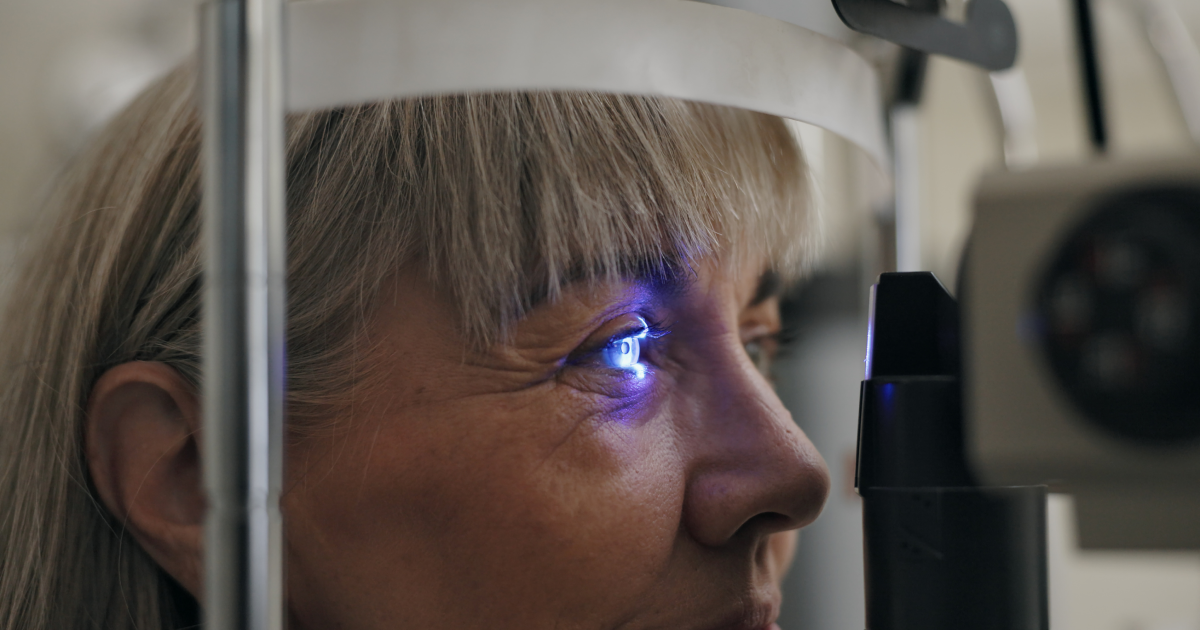
In the greatest majority of open angle cases there are in fact no symptoms at all. By the time a person notices side vision loss some degree of nerve damage may have happened. By the time a person recognizes side vision reduction, optic nerve damage may already be present. Thus it is to one’s benefit to have regular comprehensive eye exams instead of waiting for the signs of glaucoma.
What Is Glaucoma and Why Does It Affect Vision?
What is glaucoma? It is a group of eye diseases which affect the optic nerve that transmits visual info from the eye to the brain. High intraocular pressure is a key risk factor but glaucoma also may present when pressure is in the normal range.
The National Eye Institute notes that early symptoms are often absent; detecting the condition requires a comprehensive dilated eye examination:
What Is Usually the First Sign of Glaucoma?
For what is known as primary open angle glaucoma the first to present is usually a very subtle and gradual loss of side vision. Many patients are not aware of this early change which the other eye and brain try to make up for. As time goes on these blind spots may grow larger which in turn makes it more difficult to see objects coming in from the side or to navigate in low light.
Acute angle-closure glaucoma presents differently. It may begin with sudden, severe eye pain, redness, blurred vision, coloured halos around lights, headache, nausea or vomiting. This is an eye emergency, and NHS guidance advises urgent assessment if glaucoma symptoms appear suddenly:
| Glaucoma pattern | Possible first clue | Required response |
| Open-angle glaucoma | Usually no obvious symptom; gradual side-vision loss | Arrange a comprehensive eye examination, particularly when risk factors are present |
| Normal-tension glaucoma | Subtle blind spots or peripheral vision changes | Seek evaluation even if a previous pressure reading was “normal” |
| Acute angle-closure glaucoma | Sudden pain, red eye, blurred vision, halos, headache or nausea | Obtain emergency eye care immediately |
| Childhood glaucoma | Cloudy-looking eye, excessive tearing, light sensitivity or an enlarged eye | Arrange prompt paediatric ophthalmology assessment |
Understanding Glaucoma Causes and Risk Factors
The exact glaucoma causes vary. In many cases the eye’s internal fluid does not drain well which in turn increases intraocular pressure and gradually damages the optic nerve. Also we see that glaucoma presents in association with narrow drainage angles, inflammation, past eye injury, extended use of corticosteroids or developmental anomalies. That which is called normal-tension glaucoma is proof that eye pressure is not a factor in all cases.
Risk increases with age, in a family history of the disease, high eye pressure, thin corneas, severe nearsighted or farsightedness, diabetes, prior eye injury and certain eye surgeries. In Asian ancestry people may see a greater tendency to angle closure glaucoma. That you have a risk factor does not mean you have glaucoma but it does stress the importance of regular screening.
How Is Glaucoma Diagnosed?
A pressure test is not a sure way to diagnose or rule out glaucoma. Some people which have high eye pressure may never get nerve damage, also in some cases the disease may present with normal pressure readings. So an ophthalmologist looks at a number of factors as they play out over time.
| Diagnostic test | What it helps assess |
| Tonometry | Pressure inside the eye |
| Dilated optic nerve examination | Visible changes or damage affecting the optic nerve |
| Visual field test | Missing areas in central or peripheral vision |
| Optical coherence tomography | Retinal nerve fibre layer and optic nerve structure |
| Gonioscopy | Whether the drainage angle is open, narrow or closed |
| Pachymetry | Corneal thickness, which can affect pressure interpretation |
Glaucoma Treatment, Follow-Up and Recovery
The goal of glaucoma treatment is to reduce eye pressure which in turn will decrease further damage to the optic nerve. As per the type, stage and rate of progression of glaucoma care may include prescribed eye drops, laser procedures or glaucoma surgery. Glaucoma eye surgery may be considered when medicines or laser treatment do not control pressure adequately.
Vision which is lost to glaucoma usually does not return. While early care may not be able to restore vision that has already been lost it can slow it’s progress or even prevent more loss. Post surgical or laser procedures results also depend on which type is done and the state of the eye pre treatment. It is very important that patients follow their prescriptions, have regular pressure and visual field checks, and to contact the health care professional if they experience any side effects before they stop their medications.
Can Glaucoma Be Prevented or Managed Early?
Glaucoma cannot always be prevented, but avoidable vision loss may be reduced through early detection and consistent management. Do not wait for signs of glaucoma if you are over 40, have a close family history, use steroid medicines, have diabetes or have previously experienced an eye injury. An ophthalmologist can recommend an examination schedule based on your individual risk.
Protecting against eye injury, management of health issues in general, steering clear of steroid eye drops not supervised by a health professional and to the extent possible be consistent with your prescribed treatment are good steps. Out of question that no diet, supplement or home remedy should take the place of a medical evaluation or prescribed care.
When Should You Consult an Eye Specialist?
Book in for an eye exam if you notice side vision issues, variable vision, colored halos, unexplained eye pressure or have a strong family history of glaucoma. Go to the emergency room for sudden eye pain, redness, severe blurred vision, headache with nausea or a quick change in your sight. These symptoms may have many causes but it is better to get in right away than to wait.
Frequently Asked Questions
Glaucoma affects people of all ages including that of children which is a rare form but what does increase is the adult form as we get older. It is recommended that people over 40, also if you have a family history of the disease or other risk factors, that you ask an ophthalmologist how often you need to have a comprehensive eye exam.
Primary open angle glaucoma is also referred to as the “quiet thief of sight” because it usually develops without pain or early noticeable symptoms. Peripheral vision may fade out slowly which is why we have tools to detect the disease at a stage before the patient notes large scale changes.
Glaucoma is a serious issue which isn’t always a death sentence. Many patients do in fact retain usable vision if they are diagnosed early, get proper glaucoma treatment, have regular check ups and report to take their medication as prescribed. Go over your stage of disease, pressure targets and follow up schedules with your ophthalmologist.
No individual food is proven to cause glaucoma. A healthy diet is supportive of overall health but does not replace that which is prescribed. As for caffeine, supplements or large scale dietary changes in which they are interested, patients should talk to their ophthalmologist out especially when they are dealing with hard to control eye pressure.
At first sign of glaucoma they usually present in an eye exam before they impact daily life. Early diagnosis doesn’t reverse damage to the optic nerve but it does present a chance to preserve what vision is left.
Visit an ophthalmologist and also go to a trusted eye hospital which will do a custom evaluation in particular if you have risk factors, new vision changes or a family history of glaucoma.
References Link
- https://www.nei.nih.gov/eye-health-information/eye-conditions-and-diseases/glaucoma
- https://www.nhs.uk/conditions/glaucoma/
- https://www.mayoclinic.org/diseases-conditions/glaucoma/symptoms-causes/syc-20372839
- https://www.aao.org/eye-health/diseases/what-is-glaucoma
- https://dghs.mohfw.gov.in/opthalmology-division.php