
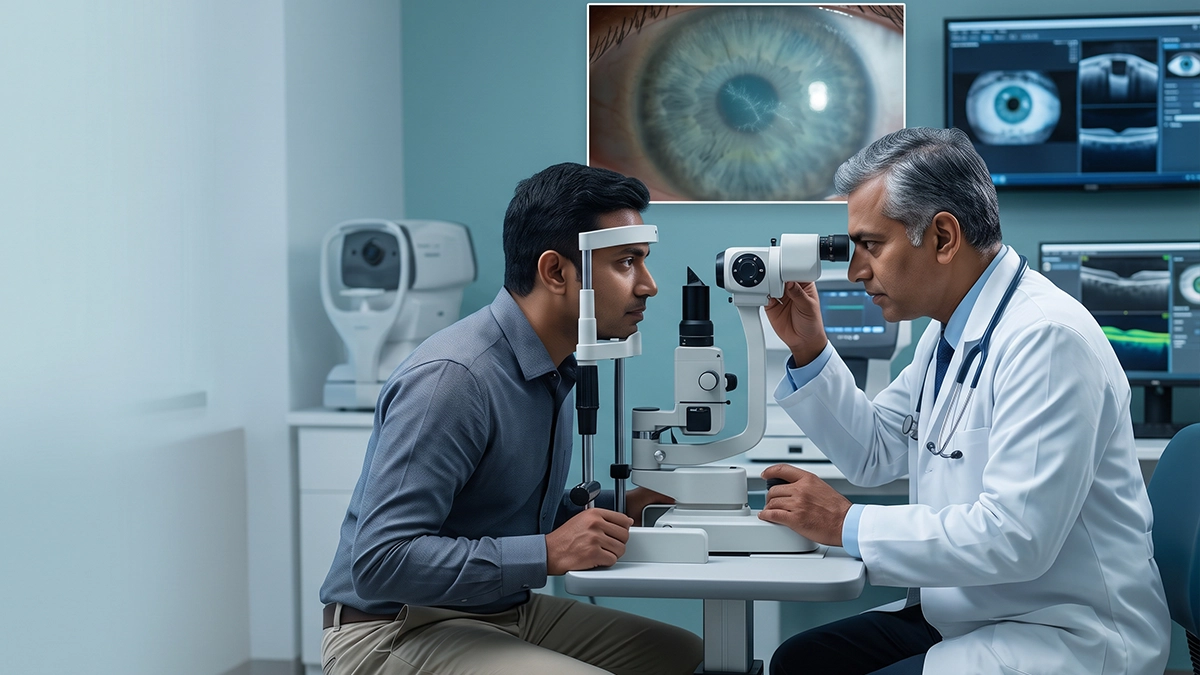
Herpes keratitis treatment for the herpes simplex virus which also Vasan Eye Care see to reduce inflammation and protect vision. This condition affects the cornea and what they see is that the virus may put in a dormant state within facial nerves which causes recurrences. Symptoms of pain, redness, light sensitivity or blurred vision require prompt ophthalmic evaluation.
What Is Herpes Keratitis?
herpes simplex keratitis is a type of corneal inflammation from herpes simplex virus (HSV) usually of type 1. The virus may lie dormant in nerve cells then return at a later time. hsv keratitis may also present as an issue with the surface or in the deeper corneal tissue which in turn may cause scarring. Herpes keratitis treatment is dependent on which layers are affected.
Eye herpes symptoms may present like other eye issues, thus self diagnosis is out. A health care professional should evaluate a painful or red eye, also if there are changes in vision or light sensitivity.
Symptoms and Warning Signs
Common eye herpes symptoms are redness, watering, pain, a gritty feeling, light sensitivity and blurred vision. You may also notice blisters around the eyelid. A tree like sore which is a dendritic ulcer eye is a sign of surface infection. Early herpes keratitis treatment is key in reducing the risk of complications.
| Finding | What it may indicate | Recommended response |
| Redness, tearing and light sensitivity | Possible corneal inflammation | Arrange prompt eye assessment |
| Blurred or reduced vision with pain | Potentially sight-threatening involvement | Seek urgent ophthalmic care |
| Branching corneal ulcer | Possible HSV surface disease | Same-day assessment is advisable |
Herpes eye infection treatment must not be delayed for home remedies. Don’t rub your eye, share eye products or use left over drops. Steroid drops work for active surface infection and can only be given by an ophthalmologist.
Why Can It Recur?
HSV may go into a dormant state and then reappear. There is association between fever, illness, stress, ultraviolet exposure, injury or reduced immunity which may play a role in recurrence although in many cases they don’t see a clear trigger. Repeated instances of hsv keratitis may cause damage to corneal sensation and scarring which in turn makes it very important to have timely herpes keratitis treatment. In some cases of hsv keratitis Vasan Eye Care see a need for protracted monitoring which is true especially after repeat outbreaks. hsv keratitis may reappear after what seemed to be resolution of symptoms. Also in cases of recurrent herpes simplex keratitis Vasan Eye Care recommend follow up.
In a report of a National Eye Institute study which included 703 patients with recent ocular herpes it was found that oral acyclovir reduced recurrence by 41% over 12 months as compared to placebo. While long term use is not for all, an ophthalmologist must determine the individual risks and benefits.
How Is It Diagnosed?
An ophthalmologist uses a slit lamp in the exam of the cornea. Which may see a dendritic ulcer eye pattern with special dye. Also, a corneal sample or molecular test may be done to confirm the virus, which in turn will guide herpes keratitis treatment. This point of distinction helps in the selection of appropriate herpes eye infection treatment.
| Assessment | What it checks | Why it matters |
| Slit-lamp examination | Corneal surface and deeper layers | Identifies characteristic lesions and inflammation |
| Fluorescein staining | Surface damage or ulcer pattern | Helps assess epithelial disease |
| Corneal sample or PCR, when needed | Evidence of viral infection | Supports diagnosis when findings are unclear |
Treatment and Recovery
Herpes keratitis treatment varies based on if the infection is of the surface or deeper corneal layers. An ophthalmologist will prescribe anti viral gel, ointment or oral medication based off of the exam and history of recurrence. Use as directed and attend follow up appointments. Regular reviews to assess treatment response. herpes keratitis treatment is a specialty care issue.
For more severe stromal inflammation, Which may prescribe steroids in combination with antiviral therapy and will closely monitor the patient. Do not ever start on steroids on your own as they may make the active infection worse. Herpes eye infection treatment may include long term oral antiviral prevention for persons who experience frequent or severe recurrences.
Avoid use of contact lenses until referred to the eye specialist. Also do not discontinue treatment at first sign of improvement in symptoms; should symptoms worsen seek medical review urgently.
Corneal Care at Vasan Eye Care
Suspected cases of herpes simplex keratitis require a detailed corneal exam and a treatment which is a match to the disease presentation. At Vasan Eye Care we do ophthalmic evaluation and an ophthalmologist will advice on further action. Corneal services also include care of other corneal conditions.
A corneal topography test which maps corneal shape also may help in the assessment of keratoconus. In terms of cairs keratoconus and DSEK surgery may deal with different corneal conditions and procedures which is not related to herpetic keratitis. iridocorneal endothelial syndrome on the other hand requires a separate specialist evaluation.
Conclusion
herpes keratitis treatment requires prompt specialist care as recurrences may put sight at risk. Look out for signs of eye herpes symptoms, follow through with the prescribed plan and attend all follow up appointments to help protect corneal health. See your doctor urgently for a painful red eye or if you notice any changes in vision.
Frequently Asked Questions
1. Can herpes keratitis cause permanent vision loss?
Yes. Repeated and at greater frequency they see scarring and thinning of the cornea which in turn leads to vision loss.Vasan Eye Care see that early intervention in herpetic keratitis which can do has success in lowering risk, although results also play into the severity of the case and individual response. herpes keratitis treatment requires specialist follow up.
2. Can herpes keratitis come back after treatment?
Yes. HSV is present in the body and may reappear. For Recurrent herpes simplex keratitis an ophthalmic evaluation is required; in some patients which may try prevention.
3. What should someone do if eye symptoms return?
Redness, pain, light sensitivity or blurred vision may present with eye herpes symptoms but also may be seen in other conditions. An ophthalmologist will diagnose the cause and will advise on herpes eye infection treatment.
4. What is a dendritic ulcer?
A corneal tree like lesion may present as a dendritic ulcer eye which is an indication of HSV in the eye. Timely evaluation is key because corneal disease may cause scarring.
References Links
- National Eye Institute — Antiviral Drug Sharply Reduces Return of Herpes of the Eye
https://www.nei.nih.gov/research-and-training/research-news/antiviral-drug-sharply-reduces-return-herpes-eye - NIH ClinicalInfo — Herpes Simplex Virus: Adult and Adolescent Opportunistic Infections
https://clinicalinfo.hiv.gov/en/guidelines/hiv-clinical-guidelines-adult-and-adolescent-opportunistic-infections/herpes-simplex