
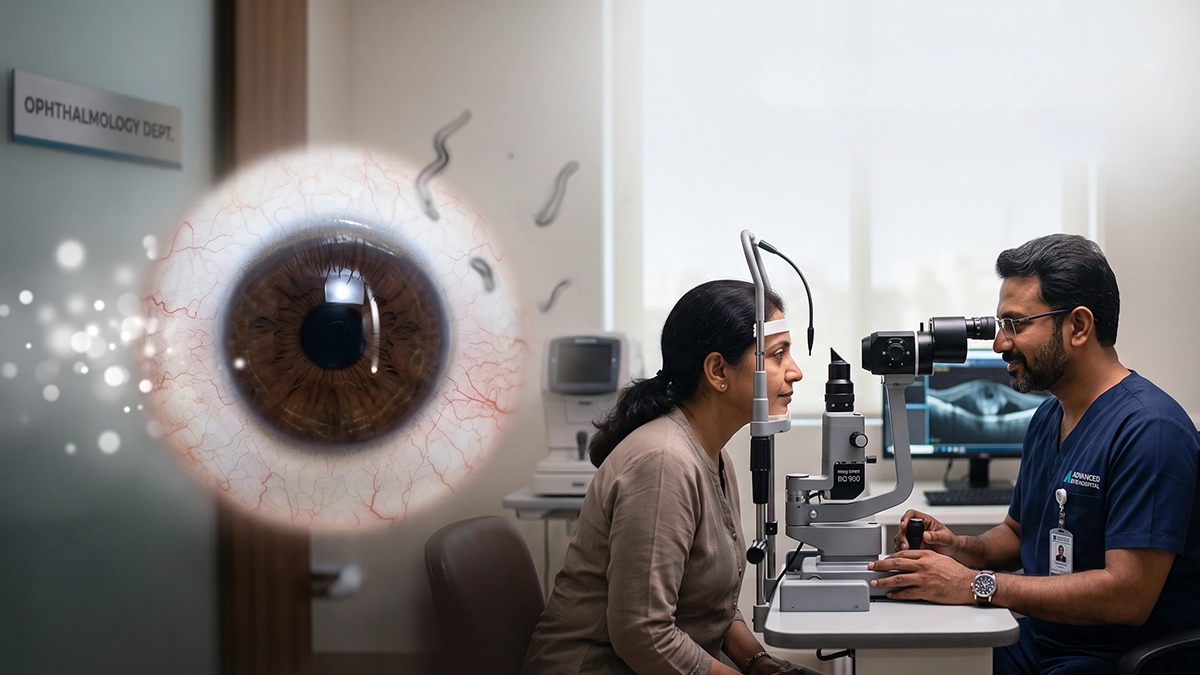
Some eye symptoms are short term, but others may be a sign that your sight is in danger. We see the early signs of eye symptoms in our patients which is why at Vasan Eye Care we tell them to take note of any out of the ordinary eye symptoms, in particular when they come on suddenly, affect one eye at a time, or are present with pain.
Why Eye Symptoms Matter
Not all blurs and red eyes are a cause for concern. In fact some eye symptoms may affect the retina, optic nerve, cornea, eye pressure, or the nervous system. These may be signs of serious eye disease symptoms or important vision warning signs. The National Institute on Aging reports that it is wise to get immediate eye care for sudden loss of vision, many new floaters or flashes, pain in the eye, double vision, and redness or swelling.
People who have diabetes, high blood pressure, prior eye surgery, trauma, or family history should pay special attention to new eye symptoms. A eye specialist can evaluate these eye symptoms.
10 Eye Symptoms You Should Never Ignore
| Eye symptom | Why it matters |
| Sudden loss of vision | May signal a retinal, vascular, optic nerve, or neurological problem. |
| Sudden increase in floaters | Can occur with a retinal tear or detachment. |
| Flashes of light | New flashes may need urgent retinal assessment. |
| Curtain or dark shadow | A recognised retinal detachment warning sign. |
| Severe eye pain | May occur with acute glaucoma, inflammation, injury, or corneal disease. |
| Painful red eye | More concerning when vision is reduced. |
| Sudden double vision | May involve eye muscles, nerves, or the brain. |
| Persistent blurred vision | Needs assessment if it continues or worsens. |
| Halos with nausea or headache | Can occur with a sudden rise in eye pressure. |
| Distorted central vision | May indicate a macular or retinal problem. |
These eye symptoms are not at all times a sign of serious disease. At the same time though, these eye symptoms which present suddenly, which progress quickly, which cause pain or which reduce vision should not be ignored. They may be a sign of serious eye disease symptoms. Also note that flashes, shadows, and sudden vision loss are what we call key warning signs of vision issues.
Sudden Floaters, Flashes and a Curtain Over Vision
A few long standing floaters are present. When many floaters appear suddenly that is atypical. If you see flashes or a dark curtain like shadow also present, get in to care right away. The National Eye Institute reports that these eye symptoms are signs of retinal detachment which is a medical emergency and may cause permanent vision loss without timely treatment.
These eye symptoms are warning signs. Don’t wait until they go away before you see an eye hospital at a medical or emergency eye service.
Pain, Redness and Sudden Blurring
Severe pain is a common eye symptom which requires prompt assessment, in particular with redness, blurred vision, nausea, or vomiting. These are also signs of serious eye disease symptoms. Painful redness, light sensitivity, injury, or sudden vision loss are also put out by our eyes as vision warning signs.
Avoid use of steroid eye drops at your own will. What is right eye treatments for your eye symptoms is based on what we diagnose
When Should You Seek Urgent Eye Care?
| Situation | What to do |
| Sudden vision loss, new floaters, flashes, or a curtain-like shadow | Seek emergency eye assessment. |
| Severe pain with redness, blur, nausea, or vomiting | Get urgent care. |
| New double vision or major visual change | Arrange urgent evaluation. |
| Gradual blur without pain | Book an eye examination. |
Take new eye symptoms seriously rather than guessing the cause. Some problems can seem mild at first, and visual changes may briefly improve before returning.
Eye Care at Vasan Eye Care
At Vasan Eye Care we conduct a number of assessments of eye symptoms which may include vision tests, eye pressure checks, slit lamp examination, retinal exam, and will do imaging as required.
If eye symptoms come on suddenly, are very severe, or are getting worse, seek care for them right away. Early in the game with serious eye disease symptoms and vision warning signs we can catch the issue out and play a better chance at protecting vision which may be at risk.
Conclusion
Knowing which eye symptoms you have is important for preserving your sight. Flashing lights, floaters, dark shadows, pain, or double vision should not be put aside. Identifying eye symptoms, being aware of serious eye disease symptoms, and to recognize vision warning signs early gives your ophthalmologist the best chance to identify an issue before more vision is lost
Frequently Asked Questions
- Which eye symptoms need immediate attention?
Sudden vision loss, new flashes or many floaters, a shadow like that of a curtain, severe pain, or sudden double vision need prompt evaluation.
- Are serious eye disease symptoms always painful?
No. Some retina and nerve issues of the eye may present with large scale visual changes which may not include pain.
- Can vision warning signs go away on their own?
They may improve but sudden and recurring issues still require evaluation
- Should persistent blurred vision be checked?
Yes. Persistent blur should be evaluated by an eye doctor.
References
- National Eye Institute – Glaucoma
https://www.nei.nih.gov/eye-health-information/eye-conditions-and-diseases/glaucoma - National Eye Institute – Floaters
https://www.nei.nih.gov/eye-health-information/eye-conditions-and-diseases/floaters