
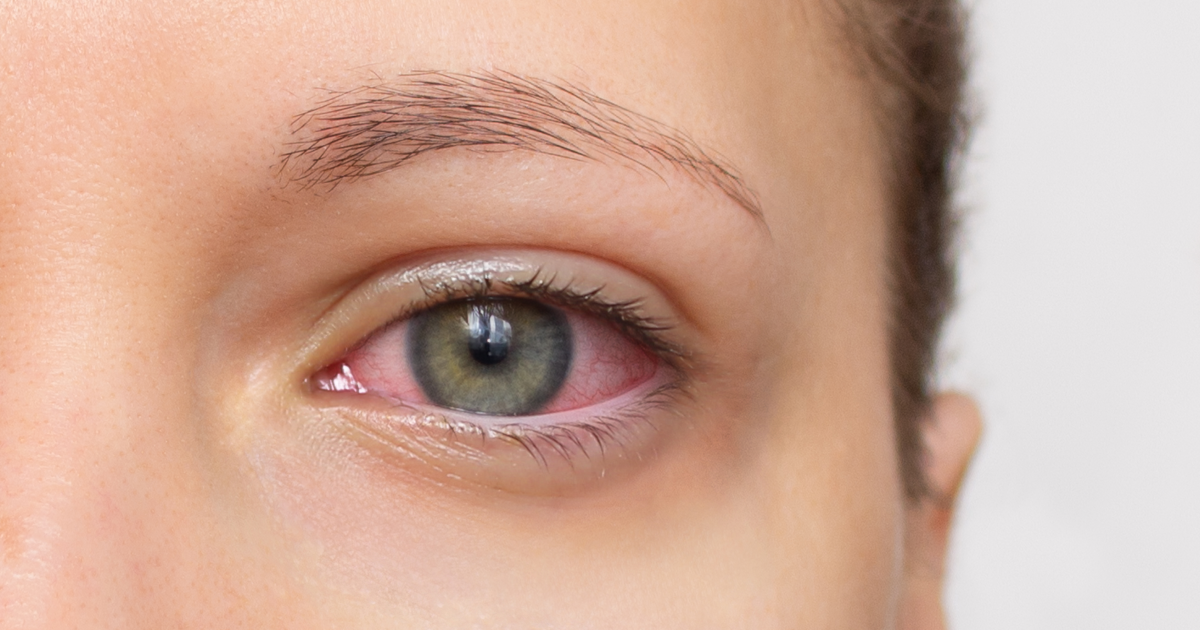
A corneal abrasion may be a small issue in terms of medical issues, but for those who have had it the discomfort is very great. The cornea is the clear outer component of the eye, which a very small scratch of it brings about pain, wateriness, redness, light sensitivity, and a constant sensation that there is something in the eye. Also from MedlinePlus we learn that corneal injuries report symptoms like eye pain, blurred vision, a burn sensation, redness, tearing, and light sensitivity.
Comprehension of what is a corneal abrasion is key which in turn will help in timely care that in turn reduces discomfort and also the risk of infection. Also in most cases a minor corneal abrasion will heal up in a short while but for the more serious ones like deep scratches, contact lens related issues, chemical exposure, or which do not show improvement over time a visit to the eye specialist is always recommended.
What Is Corneal Abrasion?
What is a corneal abrasion in simple terms? Corneal abrasion is a scratch, scrape, or injury to the outer layer of the cornea. The cornea is at the front of the eye and also helps to focus light which when injured no matter how small makes the eye very sensitive.
The corneal abrasion meaning is usually connected to a surface-level injury, but the issue may present as much more serious than it is. This is so because the cornea has a high concentration of sensory nerves. What may be a simple disturbance of the corneal surface may cause pain, tearing, redness in the eye, and also trouble keeping the eye shut.
A small corneal abrasion may present at any time when one is rubbing eyes out of irritation, wearing contact lenses, in a dusty environment, while playing sports, or from an accidental poke in the eye. The National Eye Institute reports that while minor scratches of the cornea will usually heal by themselves, deeper scrapes may result in scarring or vision issues.
Corneal Abrasion Meaning and Why It Should Not Be Ignored
The corneal abrasion meaning is not just “a scratch in the eye.” It is an injury to a delicate transparent layer that plays a major role in clear vision. When corneas’ surface gets damaged the eye becomes more vulnerable to irritation and infection.
A small corneal abrasion will heal fast with proper care, but to ignore symptoms is to sometimes make the issue worse. This is especially the case if the injury is from a ring nail, plant material, dust particle, metal particle, contact lens, or chemical splash. These causes may also increase the risk of infection or delayed healing.
Patients also should be made aware of the difference between a simple corneal abrasion and more serious corneal problems. If pain increases, vision becomes blurry, discharge is present, or the eye stays red for longer than is typical, it may require medical evaluation. Also in some cases injury if left untreated may increase the risk of corneal infection or ulcer in which prompt corneal ulcer treatment is important.
Common Causes of Corneal Abrasion
A corneal abrasion is a which may occur in the everyday environment. Oftentimes a person does not notice that they have the scratch until a few minutes to several hours after it happens. Common causes are from things we do at home (rubbing, applying make up) which we do often without thinking, dust or sand getting in the eye, makeup particles, injuries from sports, improper use of contact lenses, workplace accidents, and also from small foreign objects that may get in the eye.
A corneal abrasion is a which may occur in the everyday environment. Oftentimes a person does not notice that they have the scratch until a few minutes to several hours after it happens. Common causes are from which we put our eyes at home (rubbing, applying make up) which we do often without thinking, dust or sand getting in the eye, makeup particles, injuries from sports, improper use of contact lenses, workplace accidents, and also from small foreign objects that may get in the eye.
Children can get corneal abrasions while playing, using sharp things, or when they put a sharp object into the eye. In adults, this can happen during gardening, cleaning, driving through dusty areas, or at work without proper eyewear. Also people who are in construction, welding, mechanics, farming or sports should use eye protection which is not required.
Common Causes and How They Affect the Eye
| Cause | How It May Lead to Corneal Abrasion |
| Dust, sand, or small particles | These can scratch the cornea when trapped under the eyelid or rubbed into the eye. |
| Fingernail injury | A sudden poke from a nail can create a painful surface scratch. |
| Contact lens misuse | Overwearing, poor hygiene, or damaged lenses can irritate or injure the cornea. |
| Sports injury | A ball, finger, or equipment can accidentally hit the eye. |
| Workplace exposure | Metal, wood, chemical particles, or dust can enter the eye during work. |
| Eye rubbing | Rubbing the eye when something is inside can worsen the scratch. |
Corneal Abrasion Symptoms You Should Watch For
The most common corneal abrasion symptoms include eye pain, redness, watering, burning, blurred vision, eyelid swelling, and light sensitivity. Also some patients report sand or an eyelash in the eye which in fact isn’t there.
These at once present and at a later time present themselves again are the corneal abrasion symptoms. The eye may produce an excess of tears as it tries to wash out the irritant. Also light may be uncomfortable as the injured cornea becomes more sensitive.
Another key sign is difficulty in opening the affected eye. Also some report of continuous blink reflex or that which only occurs when the eye is closed. MedlinePlus reports that symptoms of corneal injury include blurred vision, eye pain, burning, light sensitivity, redness, swollen eyelids, and increased tearing.
If your corneal abrasion is mild and is improving then the injury may be minor. But if you have severe pain, reduced vision, discharge, a white spot on the cornea, or symptoms which present after chemical exposure seek urgent eye care.
When Should You See an Eye Doctor?
A corneal abrasion should be evaluated by an eye doctor when it produces very painful feelings, affects vision, goes on for a while, or is caused by contact lenses, chemicals, metal chips, or plant material. Also you should have it checked out if it’s going to do you in instead of out.
Persistent pain, redness, and light sensitivity are telltale signs of a corneal injury which indicate you should see a professional for treatment, reports MedlinePlus. Also avoid reaching for random eye drops for self treatment.
At an eye specialty hospital the doctor may use a slit-lamp microscope for an eye and may also use a special dye to identify the scratch. This in turn helps determine the size and depth of the corneal abrasion and if any foreign particle is still present.
Corneal Abrasion Treatment
Corneal abrasion treatment is based on the cause, size, severity, and if the patient is a contact lens wearer. The primary goals are pain relief, prevention of infection, eye protection, and promotion of natural healing. Also from NCBI Bookshelf we learn that most corneal abrasions heal by themselves and treatment is directed toward pain and infection control.
A doctor may suggest lubricating eye drops, antibiotic eye ointment or drops, pain relieving medicines, or to break from wearing contact lenses for a while. In some cases the doctor may use special medicines which reduce eye muscle spasm or discomfort. Also it is to be noted that patients should not use left over steroid drops, anesthetic drops, or antibiotic drops without medical advice.
Proper corneal abrasion treatment also includes not to rub the eye. Rubbing may reopen the abrasion or push a small object further in. Also contact lens wearers should stop wearing their lenses until the doctor says it is safe to put them back in.
In some cases we see that follow up visits are required for the corneal abrasion treatment which includes when the scratch is large, related to contact lenses use, or is not healing which is atypical. Also this follow up is very important because should the injury not be managed properly infection, recurrent erosion, or corneal ulcer may develop.
Treatment Approach and Healing Support
| Treatment or Care Step | Purpose |
| Eye examination | Confirms the scratch, checks for foreign particles, and rules out deeper injury. |
| Lubricating drops | Reduces dryness and supports comfort while the surface heals. |
| Antibiotic drops or ointment | Helps reduce the risk of infection when prescribed by the doctor. |
| Avoiding contact lenses | Prevents further irritation and supports safer healing. |
| Pain management | Helps control discomfort during the healing period. |
| Follow-up visit | Ensures the corneal abrasion is healing properly and no complication is developing. |
How Long Does a Corneal Abrasion Take to Heal?
A small corneal abrasion will be better in 24 to 48 hours. Also from the NCBI Bookshelf we are told that which small corneal abrasions heal within that time frame also for the larger more serious abrasations we may see more in depth care is required.
Healing time is determined by the depth of the scratch, cause of injury, eye health, contact lens use, and presence of infection. Also a fact is that a mild corneal abrasion from dust may heal faster than an injury from a fingernail, plant material, metal particle, or contact lens issue.
If for more than two days you are in pain or your vision is still blurred the eye should be rechecked. A delayed healing may also point out that the scratch is deeper, the surface is opening up, or an infection is developing. In which case you may require more in depth eye treatment which should be done under professional care.
What Helps a Scratched Cornea Heal Faster?
The best way to promote healing is to get the eye checked out and to follow up on what the doctor says. A corneal abrasion should not be treated with random drops which may in fact delay healing or cause the problem to get worse.
Keeping the eye clean, out of the rub of it, using as prescribed by prescription at the right time, resting the eyes, and staying away from contact lenses is what is important. Also report that dusty environments, swimming, eye make up, and screen strain which when they do increase discomfort.
Good sleep and rest will help the body to recover, but they are not in place of proper corneal abrasion treatment. If the scratch is infected, deep, or caused by contact lenses, medical care is more important than rest alone.
What Not to Do During Corneal Abrasion Healing
During the process of healing do not rub the eye, do not put in contact lenses which aren’t approved for your use and do not use eye drops that are past their date or which have been shared. Also do not attempt to remove a stuck particle with your fingers, a cotton bud, or sharp objects. If something is embedded in the eye, seek out a trained professional to remove it.
A corneal abrasion may produce a foreign body sensation but do not touch your eye which will just increase the discomfort. Also do not drive if there is blurred vision or you have trouble with light. In the event that your doctor has put in a bandage, shield or given you eye drops follow the instructions exactly.
Using numbing drops without supervision is risky. Medical reports note that use of these anesthetics without supervision may cause delay in healing and damage to the cornea.
Can Corneal Abrasion Lead to Corneal Ulcer?
In most cases healing is quick but at times a corneal abrasion may lead to infection if bacteria, fungi or other germs get into the injured tissue. This is more so in contact lens users, injuries which are a result of plant material, dirty objects, or delayed care.
A corneal ulcer is a more serious condition than a scratch, it causes severe pain, redness, discharge, blurred vision in its wake and at times a white spot on the cornea. Also according to MedlinePlus corneal ulcers and infections cause blurry vision, redness, discharge, light sensitivity and severe pain.
If an ulcer develops, professional corneal ulcer treatment is required. Early diagnosis is key in preserving vision and in avoiding complications. That is the reason at Vasan Eye Care we encourage patients to see an ophthalmologist instead of putting up with persistent corneal abrasion symptoms.
Corneal Abrasion Prevention Tips
A corneal abrasion may not be foretold but we may prevent many of them with simple practices. Use protective eyewear when you work with dust, chemicals, wood, metal or sports equipment. Also do as you are told to in terms of cleaning, storing and replacing your contact lenses.
Children should at young ages be taught to keep away from sharp objects which are by the face. Also they should have care in application of make up and to throw out old eye makeup regularly. If dust does get in the eye, to gently rinse with clean water or saline instead of rubbing.
For persons with a history of eye scratches, dry eyes, or past corneal issues, we see that regular visits to an ophthalmologist may help in the detection of base health issues. Also timely eye care treatment can in fact reduce the risk of that which is uncomfortable and also will protect your long term eye health.
Why Choose Vasan Eye Care for Corneal Abrasion Care?
Vasan Eye Care provides patient focused diagnosis and treatment of corneal issues which include corneal abrasion, infections, dry eye related irritation, and other corneal conditions. We have experienced ophthalmologists that do precise exam, treatment advice and follow up care.
Since each corneal abrasion case is different the treatment plan is designed around what is causing it and the severity. At Vasan Eye Care we have our doctors which they use to inform patients about corneal abrasion meaning,identify warning signs, and receive suitable corneal abrasion treatment when needed.
Whether it is a minor issue or related to contact lens use, workplace exposure, or recurring irritation, a visit to the eye specialist hospital will help prevent complications. At Vasan Eye Care we also present a large spectrum of eye treatments for patients that require full eye care.
Conclusion
A corneal abrasion is a scratch that affects the clear front of the eye, also do not ignore it. Most minor cases will heal by themselves, but if you experience pain, redness, tearing, light sensitivity, blurred vision or a foreign body sensation pay a visit to the doctor.
Knowing that which is a corneal abrasion, understanding the corneal abrasion meaning, to recognize corneal abrasion symptoms, and to seek out the proper corneal abrasion treatment for it may help to protect your eyes from infection and delayed healing. If you’re not seeing improvement in your eye pain or your vision is affected, come in to Vasan Eye Care for a timely diagnosis and care.
Frequently Asked Questions
A corneal abrasion is from dust, sand, fingernail scratches, contact lens overuse, eye rubbing, work particles, sports injuries, make up particles, or accidental trauma. Also in some cases plant material or dirty objects do increase the risk of infection which is why we tell you to see an eye doctor if you have pain or redness.
A small corneal abrasion may heal within 24 to 48 hours, but some deeper injuries or those related to contact lens use may take a longer time. Also it is noted that the rate of healing may depend on the cause of injury, size of the abrasion, risk of infection, and whether the prescribed corneal abrasion treatment is followed properly.
The best way to promote healing is to not rub the eye, to stop wearing contact lenses, to use only what is prescribed, to protect the eye from dust, and to follow up on the doctor’s advice. Also do not self medicate using the wrong drops may delay your recovery or cause complications.
Sleep is a component of natural healing but in the case of a corneal abrasion sleeping is not a full treatment for all. Should you have pain, redness, watering, blurred vision, or light sensitivity, get an eye exam and corneal abrasion treatment is needed.
Reference
- MedlinePlus – Corneal Injury
https://medlineplus.gov/ency/article/001017.htm - National Eye Institute – Corneal Conditions
https://www.nei.nih.gov/eye-health-information/eye-conditions-and-diseases/corneal-conditions - NCBI Bookshelf – Corneal Abrasion
https://www.ncbi.nlm.nih.gov/books/NBK532960/