
Central serous retinopathy also known as central serous chorioretinopathy which is short to CSR is a condition that comes about when fluid accumulates under the macula which is the section of the retina that gives us sharp central vision. In a person that has a CSR eye issue they may see blurred or distorted vision, a dim or grey area in the center of what they are looking at, reduced color contrast, changes in color perception, or straight lines may appear wavy and objects may appear smaller than usual.
These changes are seen in reading, driving, screen work, and recognizing faces. In regards to what foods to avoid in CSR many hope that by changing their diet they will see reduction in retinal fluid. At present we do not have scientific support for any diet which will cure the condition.
A balanced eating plan may still play a role in blood pressure control, sleep, weight management and general vascular health. This is so in that we have looked at the fact that corticosteroid exposure, psychological stress, disturbed sleep, hypertension, smoking, and alcohol use put forth as possible causes of CSR. de also looks at what is doable in terms of diet, reports on common CSR eye disease symptoms, and notes that at times food changes should be in conjunction with a review by a retina specialist.
Understanding CSR Eye Disease and Diet
A CSR eye issue affects the macula as opposed to the front of the eye. What happens is fluid leaks from the choroidal circulation and deposits into the under layer of the retina which in turn produces a small raise which in turn affects central vision. In many acute cases, improvement is seen within a few months’ time but in the case of persistent or recurring disease close watch is required as the long term fluid may affect retinal function. Diagnosis may include a dilated retinal exam, optical coherence tomography, fluorescein angiography, indocyanine green angiography, or OCT angiography.
Diet is a component of supportive care in CSR eye disease. What we do know is that a healthy diet which includes lots of vegetables, fruits, pulses, whole grains, nuts, and seeds and which is low in salt, added sugar, and heavy in good quality protein is what is put forth. Public health puts out guidance which is to choose dense in nutrition foods and to reduce the intake of ultra processed foods, added sugars,Added to that list of issues sugar and processed carbs. Also report new CSR eye disease symptoms which many dismiss as food related issues. Sudden loss of central vision, a dark spot in the center, straight lines looking wavy, and reduced color and detail should see an ophthalmologist. A retinal exam is the way to tell CSR apart from other retinal diseases which present with the same symptoms.
Can Food Cure a CSR Eye Problem?
No at this time is any fruit, vegetable, supplement, spice, juice, or restrictive plan put forth which cures a CSR eye issue. We base our medical approach on the length of time the fluid has been a problem, if it is a reoccurring issue, the patient’s visual goals, and what the retinal imaging shows.Some reports note that which cases improve on their own, at the same time in chronic or persistent cases what may be needed is a specialist’s intervention. In terms of which foods to avoid in CSR we don’t put out promises of a cure. What we do is present a base for healthy eating and to reduce that which is unnecessary from the diet. Putting off an exam while trying home remedies may in fact cause that which is persistent retinal fluid to go unreported
Foods to Avoid in CSR
Highly Salted and Packaged Foods
Among the most affected foods to avoid in CSR are packaged savory snacks, instant noodles, ready made soups, pickles which are consumed in large quantities, papad, processed meats, salty sauces, fast food, and very salted restaurant dishes. What we see in terms of sodium content is that it causes blood pressure to go up and we note that hypertension is a present issue related to CSR . Most of our sodium intake comes from packaged and prepared foods which we don’t add salt to at the table. Also we do not usually recommend a totally salt free diet to manage the condition. A more practical approach is to check labels for lower sodium options, to cook from basics, and to use flavorings like lemon, herbs, garlic, pepper, or spices. People with kidney disease, heart disease, or on special diets should get individual medical advice.
Sugary Drinks and Refined Carbohydrates
Soft drinks, sweetened juices, energy drinks, sweets, biscuits, cakes, pastries, and frequent desserts are foods to avoid in CSR or should be consumed in moderation. We don’t see them as causing retinal fluid directly but do see that regular overconsumption of them contributes to weight gain and poorer metabolic health. Government nutrition advice is to limit added sugars and refined carbs and to choose more whole foods. For a person who has CSR eye disease, trade sugary drinks in for water, unsweetened buttermilk, or low sugar options which in turn will improve your diet. Also go for whole fruits instead of the juice version which provide fiber and are less likely to be overconsumed.
Excessive Caffeine and Energy Drinks
Caffeine is not a universal no go for CSR patients and we don’t have that which proves a certain harmful dose for CSR. Also, we see that very large amounts of coffee, strong tea, pre workout supplements and energy drinks do in fact worsen sleep, palpitations, anxiety or stress in some people. We know that stress and disturbed sleep play a role in CSR so a moderate approach is what we recommend, in particular when symptoms present after a period of poor sleep or heavy stimulant use. In terms of a practical list of foods to avoid in CSR , it is more so to give out advice on reducing excessive caffeine rather than to tell all patients to do away with it fully. A person who is a daily consumer of many caffeinated drinks can go about weaning off them gradually and at the same time see if there is an improvement in sleep quality.
Alcohol
Alcohol is to be limited, in some cases patients may be told to avoid it completely, especially if they have high blood pressure, sleep issues, liver disease, are on certain medications, or have a hard time moderating their intake. While alcohol has come up as a factor in some of our CSR studies it does not necessarily prove cause and effect. Also we see that alcohol can increase blood pressure and disrupt sleep. Out of all this alcohol should be a part of the practical discussion of which foods to avoid in CSR . Also patients should check in with their ophthalmologist or physician to see what if any role alcohol play in there overall health.
Fried and Ultra-Processed Meals
Frequent out of home prepared and processed foods like fried snacks, bakery shortening, processed meat, fast food, creamy sauces which are high in saturated or trans fat are reported to not cause a CSR episode directly. While at the same time these types of food tend to take the place of vegetables, fruits, pulses, whole grains and other very nutritious options. The health service reports that we should reduce our intake of saturated fat, sugar, and salt and to choose more options of unsaturated fats. It isn’t a perfect diet. What does matter is the overall pattern of what you eat over time. For people with CSR eye disease symptoms a good approach is to reduce the frequency of very fried and processed food choices which they do very often instead of jumping into very strict dietary plans.
| Food or drink to limit | Why moderation may help | A balanced alternative |
| Packaged chips, instant noodles, salty soups and excess pickles | Often high in sodium, making blood-pressure control harder | Home-cooked snacks, unsalted nuts, fruit and lightly seasoned meals |
| Sugary drinks, sweets, biscuits and pastries | High in added sugar and may replace nutrient-dense foods | Water, whole fruit, unsweetened curd and roasted chana |
| Multiple strong coffees or energy drinks | May disturb sleep or increase stress in sensitive people | Water, decaffeinated drinks and lower-caffeine beverages |
| Frequent alcohol | May affect sleep, blood pressure and general health | Alcohol-free drinks, water and unsweetened lime water |
| Deep-fried and ultra-processed meals | Often high in sodium, saturated fat and refined carbohydrates | Grilled, steamed, roasted or lightly sautéed meals |
Foods That Support a Balanced CSR Diet
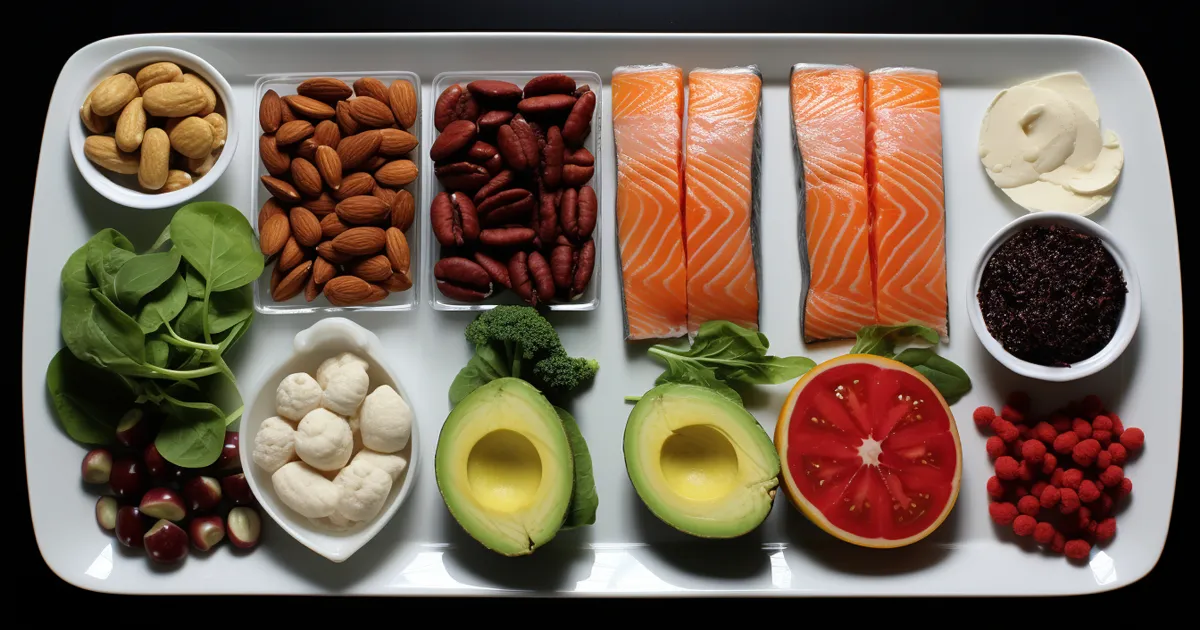
A for patients with CSR a good diet plan is what is balanced instead of a special therapeutic one. Meals may include of a variety of colored veggies, whole fruits, legumes, beans, whole grains, nuts, seeds, yogurt or what is appropriate from dairy, eggs, fish, or lean protein based on what is right for the person’s health and which also is safe for their medical needs. Public health advice is to eat lots of fruits, vegetables, high fiber foods, and what is minimally processed also to reduce salt and sugar. Also include in your diet green leafy vegetables, carrots, tomatoes, citrus fruits like guava, papaya, lentils, beans, oats, millets, brown rice, walnuts, almonds, seeds, and fish which will add to the nutrients you take. They should not be put forth as a cure for CSR eye disease. Rather their value is in the diversity they bring to your diet which in turn promotes health.
| Food group | Examples | Practical role |
| Vegetables and whole fruits | Spinach, carrots, tomatoes, guava, oranges and papaya | Provide fibre, vitamins, minerals and plant nutrients |
| Pulses and whole grains | Dal, chana, rajma, oats, millets and whole-wheat roti | Support fibre intake and filling meals |
| Healthy fat sources | Unsalted nuts, seeds, fish and small amounts of unsaturated oils | Replace some saturated-fat and processed choices |
| Protein foods | Pulses, eggs, fish, lean poultry, curd and paneer in suitable portions | Support balanced meals and satiety |
| Lower-sodium flavouring | Lemon, herbs, garlic, pepper and spices | Add flavour while reducing dependence on excess salt |
A Simple Daily Eating Pattern
Breakfast can have poha with veggies, oats, idli with sambar, or eggs with whole grain toast. At lunch go for a variety of vegetables, dal or a different protein source, roti or rice in a small portion and curd. For evening snacks try fruit, roasted chana, or unsalted nuts. For dinner, have a variety of vegetables, pulses, a low salt soup, or grilled protein.
This method which patients find helpful with regard to what foods to avoid in CSR does away with food as a stressor. We see also that regular meal times, adequate water intake, and steering clear of large late night meals may improve sleep. Diet must be tailored for diabetes, kidney disease, pregnancy, allergies, or other health conditions.
Stress, Sleep, Steroids, and CSR Eye Disease
This approach is to have patients apply which foods to avoid in CSR and at the same time we don’t make food a stress issue. Also we see regular meal times, sufficient water intake, and that large night time meals are a thing of the past which in turn supports better sleep. Diet has to be personalized for diabetes, kidney disease, pregnancy, allergies, or any other health conditions. A regular sleep routine, physical activity as approved by a physician, and reducing late evening caffeine may support overall well being. These are steps which may support but not guarantee the stop of CSR eye disease progression and we still do not have full proof that stress reduction plays a direct role in disease course. to See a Retina Specialist.
Arrange an eye doctor’s visit for an eye exam at first signs of CSR eye disease symptoms come on suddenly, are persistent, recurrent, or which interfere with work. Vision which is blurred in the center, distorted lines, a gray or dark spot, reduced color perception, or which has objects appearing abnormally small — that is when you should come in for an exam. Also bring in any which may have a CSR eye diagnosis for their follow up imaging as recommended by the health care provider even if vision seems to be better.
If you notice a quick change in vision, symptoms in both eyes, flashes of light, or a curtain like shadow, get in to see your eye care professional soon. This may be a sign of a different ocular issue that needs to be evaluated timely.
At Vasan Eye Care we do retinal assessment which may include specialist exam and we do OCT monitoring, also we tailor retinal disease treatment to the diagnosis and the length of symptoms.
The best foods to avoid in CSR are very salted prepared products, regular sugar sweetened beverages, over the counter coffee and other caffeine drinks, large amount of alcohol, and mostly ultra processed or deep fried food items. Reducing these from the diet supports blood pressure management, sleep, and in general health — but do not use that as a substitute for eye exams or medical care.
A balanced diet, moderate caffeine intake, improved sleep, stress management, and a health check for past steroid use is a part of a large scale plan for CSR eye issues. At CSR eye disease symptoms one should have a retinal exam which diet changes may not improve.
Frequently Asked Questions
Vegetables, whole fruits, pulses, whole grains, unsalted nuts, seeds, and lean protein options support a balanced diet. It has not been proven that any single food cures a CSR eye condition.
The common foods to avoid in CSR are very salty pre packaged foods, sugary drinks, heavy caffeine, frequent alcohol, and fully prepared or fried meals. Don’t stop prescribed corticosteroids without medical advice.
A healthy diet that includes a wide range of vegetables, fruits, fibre rich grains, pulses, and proper protein sources is key to good health. Also it is out that each retinal condition requires a different medical treatment.
Attend your retina follow ups, speak to your doctors about your use of steroids, manage your sleep and stress, and control your blood pressure. For persistent or recurrent CSR eye disease symptoms, you may require specialist-directed care.
References
- Moorfields Eye Hospital NHS – Central Serous Retinopathy;
https://www.moorfields.nhs.uk/eye-conditions/central-serous-retinopathy - Moorfields Eye Hospital NHS – CSR Diagnosis and Treatment;
https://www.moorfields.nhs.uk/eye-conditions/central-serous-retinopathy/diagnosis-and-treatment - PubMed – Risk Factors for Central Serous Chorioretinopathy;
https://pubmed.ncbi.nlm.nih.gov/26710181/ - CDC – Healthy Eating Tips; CDC – Tips for Reducing Sodium Intake;
https://www.cdc.gov/salt/reduce-sodium-intake/index.html - ICMR, Government of India – Nutrition Resources.
https://www.icmr.gov.in/nutrition