
Glaucoma eye drops side effects are generally mild and may include eye redness, burning, itching, or short periods of blurry vision. Also some drugs may in fact alter breathing patterns, change in heart rate, and also the level of energy one has. Also as a warning that the disease may bring about such damage to the optic nerve without a person seeing it at early stages it is advised to not stop or change the prescription dosage without that of a medical professional’s advice.
The World Health Organization reports that glaucoma is a cause of about 7.7 million cases of distance vision impairment and blindness world wide. In terms of treatment Vasan eye care sees that it is directed to reduce intra ocular pressure and preserve what vision is left.
What Are Eye Drops for Glaucoma?
Eye drops used for glaucoma are as well a form of prescription medication that people apply which help to lower intra ocular pressure (IOP). Some of them help fluid to drain from the eye and some which reduce the amount of fluid produced.
What is the best glaucoma medication in eye drop form will vary by what type of glaucoma you have, your target eye pressure, other health issues, and how the body reacts.Vasan Eye Care report that treatment usually begins with the use of the prescribed eye drops and turn to laser or surgical option when pressure doesn’t break down.
Types of Glaucoma Eye Drops
Prostaglandin Eye Drops
Prostaglandin eye drops that include latanoprost, travoprost and bimatoprost help to produce greater outflow of eye fluid. Many of these are used once a day.
common glaucoma eye drops side effects in this group are eye redness, eyelash growth, darkening of the iris or skin around the eye, and local irritation.
Timolol Eye Drops
Timolol eye drops are beta blockers that reduce production of eye fluid.
Glaucoma eye drops side effects may cause burning, blurred vision, fatigue, changes in heart rate and also breathing issues. Also if you have asthma, breathing problems or certain heart conditions it is best to tell your ophthalmologist before using timolol.
Other Glaucoma Medicines
Other types of glaucoma eye drops are alpha adrenergic agonists that include brimonidine and carbonic anhydrase inhibitors which are dorzolamide and brinzolamide. Which drug to use is based on the patient’s clinical picture.
Common Glaucoma Eye Drops Side Effects
Glaucoma eye drop side effects may present in the eyes or with some medicines in the rest of the body. Also which include:
| Medicine group | Common side effects | Important consideration |
| Prostaglandins | Redness, irritation, eyelash growth, changes in iris or skin colour | Discuss persistent or troublesome effects with an ophthalmologist |
| Beta blockers such as timolol | Burning, blurred vision, possible pulse or breathing changes | Existing heart or breathing conditions should be disclosed |
The type of glaucoma eye drop side effects will vary by the medication that is used. If you have persistent or serious symptoms report them to your prescriber instead of stopping treatment on your own.
How to Use Glaucoma Drops Correctly
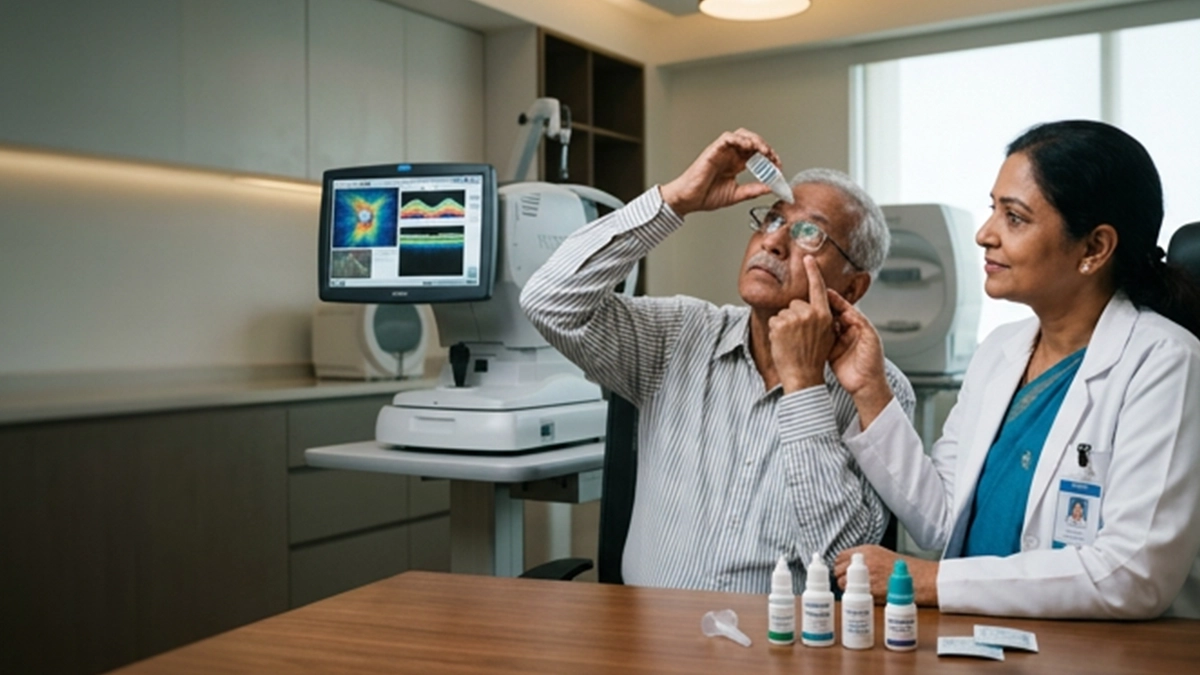
Proper application of how to use glaucoma drops is key for the medicine to reach the eye.
- Wash your hands completely.
- Tilt back the head and look up.
- Gently pull the lower lid down to make a small pocket.
- Hold the bottle at the eye’s above the eye area without making contact with the eye or eyelid.
- Place the appropriate drop in the pocket.
- Close the eye gently and apply pressure to the inner corner by the tear duct for a minute.
- If at all another kind of eye drop is to be used, wait for at least 5 minutes.
Do not get the drop tip in the eye, eyelid or on fingers. If drop application is difficult a doctor may suggest what techniques or aids to use.
What Should You Do If Glaucoma Eye Drops Cause Side Effects?
Glaucoma eye drop side effects do not always call for cessation of the treatment. What is done in each case is based on the medicine used and the degree of the reaction.
Mild irritation is a known side effect of certain drugs. In the case of serious breathing issues, irregular heart beat, persistent eye pain, very red eyes or any other severe reaction, report to a medical professional immediately.
Talk with your ophthalmologist before stopping glaucoma medication. Taking it as prescribed helps control intraocular pressure and lowers the chance of additional optic nerve damage.
When Should Glaucoma Eye Drops Be Reviewed?
Regular in the evaluation of glaucoma Vasan Eye Care do which includes the assessment of intraocular pressure, optic nerve health and visual field results. Vasan Eye Care may do an eye test which also includes measurement of eye pressure, study of the optic nerve and visual field testing.
A specialist will switch out the glaucoma medicine eye drops if pressure is above the target range, side effects present issues, or the disease progresses.
Patients should report to the ophthalmologist all of their current prescriptions and over the counter medicines and supplements also which health issues they are having as some glaucoma medications may interact.
For more in depth care is required our glaucoma treatment at Vasan Eye Care they have medical, laser and surgical options which will be used based on the clinical picture.
| Situation | Appropriate action |
| Mild temporary stinging or redness | Monitor and discuss at follow-up if persistent |
| Persistent or troublesome irritation | Contact the prescribing ophthalmologist |
| Breathing or significant heart-related symptoms | Seek prompt medical assessment |
| Pressure remains uncontrolled | Ophthalmologist may review medicines or consider other treatment |
Eye Care at Vasan Eye Care
Vasan Eye Care provides ophthalmic evaluation and glaucoma management which includes medical treatment, laser procedures and surgery when it is clinically indicated. What is the best course of treatment depends on the type and extent of glaucoma, eye pressure, what they see in the optic nerve and the patient’s response to prior treatment. Also at Vasan Eyes Care you can find an eye doctor for that in depth specialist evaluation.
Patients that present with sudden severe eye pain, quick vision loss, halos around lights, redness which may also be reported nausea or vomiting should seek urgent ophthalmic care as these are signs of acute angle closure glaucoma. Vasan Eye Care provides info on acute congestive glaucoma and its warning signs.
Frequently Asked Questions
1. Can glaucoma eye drops cause permanent eye changes?
Some drugs which do include prostaglandin analogues may produce changes like that of dark colored iris, increase in eyelash growth or pigmentation around the eye. These side effects will vary by drug and it is best to discuss them with an ophthalmologist if they are an issue.
2. Can timolol eye drops affect breathing?
Yes. Timolol blocks beta receptors and can slow the heart or interfere with breathing in some people. Before treatment, tell your ophthalmologist if you have asthma, another breathing problem, or certain heart conditions.
3. Should glaucoma eye drops be used every day?
Many glaucoma drugs require a daily routine of application to control eye pressure. The frequency of which is based on the specific drug. Do not change the dose or schedule without first consulting your medical provider.
4. What should I do if I miss a glaucoma eye drop?
Follow the instructions given out for that particular medication. Do not assume to take a double dose of the next administration unless your health care provider says to. If you find yourself missing doses often, bring up the topic of what can be done to make the regime easier to follow.
References
- National Eye Institute – Glaucoma Medicines https://www.nei.nih.gov/eye-health-information/eye-conditions-and-diseases/glaucoma/glaucoma-medicines
- American Academy of Ophthalmology – Understanding Glaucoma
https://aao.org/eye-health/diseases/what-is-glaucoma