
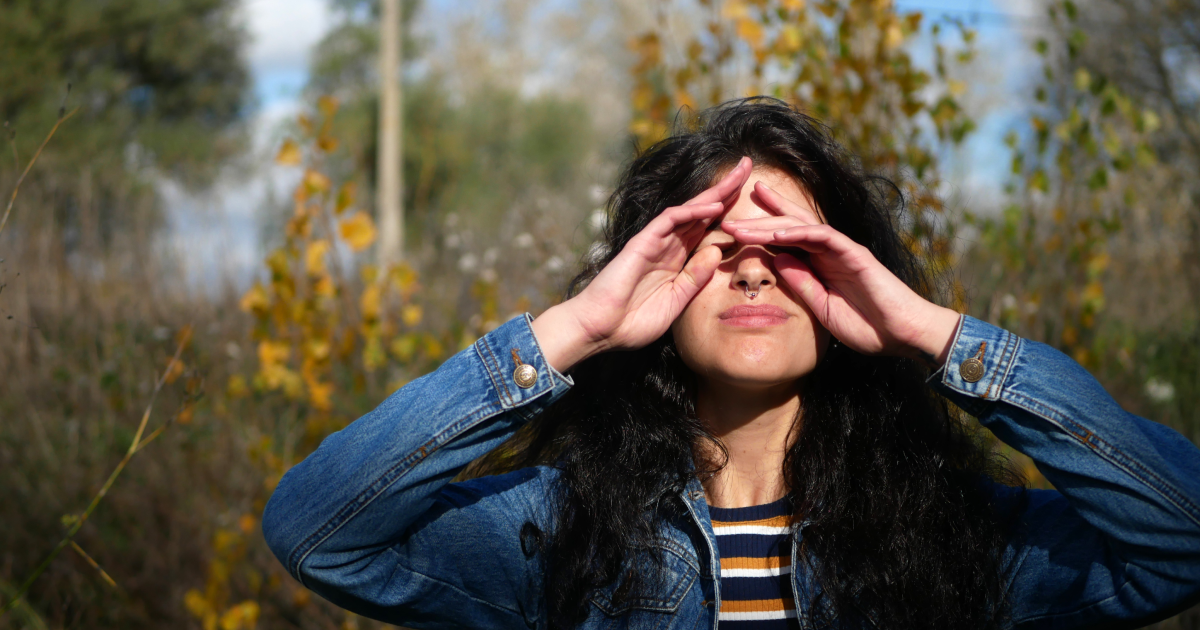
Sunlight is a component of our daily lives, at the same time looking directly at the sun is harmful to the eyes. In the back of the eye which plays a role in reading, identifying faces, and in the fine detail of sight is the retina especially the macula. What’s more, when bright sunlight reaches this area without the right protection it causes solar retinopathy, a condition that also affects central vision.
Many people report research for what is solar retinopathy after they have had a solar eclipse, spent large amounts of time outside, or had an accident which included looking at the sun. To put it simply solar retinopathy is retinal damage which is brought on by intense sunlight. Also according to the National Eye Institute we may see the retina damaged by direct sun exposure which in turn may bring on symptoms like central grey or fuzzy vision.
What Is Solar Retinopathy?
To understand what is solar retinopathy, it is helpful to know how the eye focuses light. The cornea and lens direct light to the retina. The macula which is in the center of the retina gives us sharp central vision. When a person stares at the sun for even a short time, strong visible light, ultraviolet radiation, and infrared radiation affect the retinal cells.
Solar retinopathy also presents in the context of eclipse viewing which may see the sun put on a dim appearance. This can give people the idea it is safe to view it, but the harmful rays are still present. The National Eye Institute reports that in serious cases of intense solar exposure the retina’s light sensitive cells may be damaged and this may lead to permanent vision loss.
Regular and transitional sunglasses, smoked glass, camera filters, or do it yourself filters are insufficient for looking at the sun. Also the FDA reports that sunglasses should not be used for sun or eclipse gazing. Regular sunglasses, smoked glass, camera filters, or home made filters are not adequate for direct sun viewing. The FDA also says do not use sunglasses to look at the sun or an eclipse.
How Sunlight Damages the Retina
The retina does not have pain receptors like the skin does. Thus damage may occur before a person is aware of it. This is the reason solar retinopathy symptoms may present hours after the incident or the next day. Injury may also result from intense light which affects retinal cells’ function, heat related damage, or a combination of both.
When patients ask what solar retinopathy is, doctors point out that it is a different issue from temporary glare which may occur after being in bright sun. That glare passes in minutes to hours, but solar retinopathy will disrupt central vision over days to weeks and sometimes longer. Also the impact of solar retinopathy depends on how long the person looked at the sun, how intense the exposure was, and the retina’s health.
| Cause or Situation | How It Can Affect the Retina |
| Looking directly at the sun | Intense light may focus on the macula and disturb central vision |
| Watching an eclipse without certified filters | Harmful rays can still reach the retina even when the sun looks dimmer |
| Using binoculars or telescopes without solar filters | Sunlight may be magnified and increase the risk of retinal injury |
| Welding arc or strong artificial light exposure | Bright light can stress retinal tissue if protection is not used |
| Outdoor glare from reflective surfaces | Usually causes discomfort, but direct sun-gazing remains the major danger |
Solar Retinopathy Symptoms to Watch For
Common solar retinopathy symptoms are of which blurred central vision is a common report, also see a gray or dark spot in the center of your vision, have trouble with reading, see distorted straight lines, have reduced color clarity, light sensitivity, and discomfort in bright settings. It is also reported that some people do which one eye is more affected than the other but in fact both eyes may be involved.
The National Eye Institute reports that solar retinopathy symptoms include blurred vision, sensitivity to light, dark spots or blind spots in the central vision, color perception changes, and a sensation of pressure in the eye. Also these symptoms may present themselves some time after exposure and may develop gradually over hours or days.
If solar retinopathy symptoms appear after looking at the sun, they should not be ignored. What you may still see peripherally is fine, but what you’ll have trouble with is reading, driving, using computers which include small print or fine detail. As the macula is what is responsible for central fine vision, even a little of it which is affected can be very disturbing in day to day life.
Who Is More at Risk?
It is possible for any individual to develop solar retinopathy by looking directly at the sun without proper eye protection. Also children and teens may be at greater risk as they may not fully grasp the danger of sun gazing. Those who watch solar eclipses, practice sunazing, take photos of the sun without filters, or use optical devices which do not have certified solar filters should be extra careful.
People with existing retinal diseases or past retinal problems also should be careful. If you have a retinal eye disease we recommend you see an eye specialist if you experience changes in your central vision. At Vasan Eye Care we include retina evaluation which is to determine if the symptoms are from sun damage or some other issue that may in fact be a retinal eye disease.
Diagnosis of Solar Retinopathy
When a patient asks what is solar retinopathy during a consultation, the doctor will ask about issues of recent sun exposure, eclipse viewing, outdoor activity, or exposure to very bright artificial light. In terms of evaluation the eye exam may include a vision test, dilated retina exam, fundus photography, and optical coherence tomography also known as OCT.
OCT is a tool which gives us a cross sectional view of the retina and macula. In suspected solar retinopathy OCT may show subtle changes in the outer retinal layers. Diagnosis is important as also many retinal diseases present with the same central vision problems. A proper eye exam helps to tell solar retinopathy symptoms apart from diabetic retinopathy, macular degeneration, retinal detachment or any other retinal eye disease.
| Test or Examination | Purpose |
| Visual acuity test | Checks how clearly the person can see letters or objects |
| Dilated retina examination | Helps the doctor examine the retina and macula |
| Fundus photography | Captures retinal images for documentation and comparison |
| OCT scan | Shows fine retinal layer changes near the macula |
| Follow-up examination | Helps monitor healing or any progression in vision changes |
Treatment and Recovery
In terms of treatment for solar retinopathy we do not have a single cure which will fix it at once. In many mild cases vision does improve but it is a slow process which may take from a few weeks to months, also in this stage full recovery is not guaranteed. As reported in the medical literature many patients see an improvement within weeks to months of the incident but in serious cases there may be permanent visual impairment.
Treatment is usually of a watchful waiting nature, symptom management and identification of other possible eye issues is a priority. A referral to an eye specialist may be put forward for follow up scans which are to determine retina healing. If another retinal condition is found, then specific retinal disease treatment may be advised.
Patients should avoid self medication of random eye drops. Solar retinopathy symptoms can be best addressed with a proper retina diagnosis, not guesswork. If what you see has to do with another retinal eye disease early care can make a very big difference.
How to Prevent Solar Retinopathy
Prevention is the best protection. Do not look at the sun at any time with the naked eye, even a few seconds. For the eclipse, use only certified solar viewing glasses or handheld solar viewers that meet ISO 12312-2 standards. Also according to the National Eye Institute which reports that it is safe to view the eclipse through species.
To decrease your overall risk of sun related eye issues, wear high quality sunglasses that provide 100% UV protection, wear a broad brimmed hat when outside, and try not to look at bright reflected light for long periods. The FDA reports that UV exposure is a factor in eye issues like photokeratitis and cataracts which in turn means that you should use protection like wide brimmed hats and UV protective sunglasses which in turn will help to reduce your risk.
All types of solar filters, damaged filters or regular sunglasses are out. Also it is up to parents to teach that the sun should never be looked at directly. If a child reports blurred vision after an eclipse or looking at the sun they should not put off going in for an eye check. Early evaluation is very important when solar retinopathy symptoms affect reading, school work, or use of screens.
When Should You Visit an Eye Doctor?
Visit an eye doctor if you have blurred central vision, see a dark spot, have distorted lines, notice reduced color brightness, or are sensitive to light after looking at the sun. Also go for care if symptoms persist for more than a few hours, are in only a part of your vision, or disrupt your daily activities.
Many people present with what is solar retinopathy only after symptoms present itself, but we think it is better to go in for prevention before an issue arises. If you are a person who has retinal diseases, diabetes, high myopia, macular problems, or any diagnosed retinal eye disease routine retina care is very important. Vasan Eye Care we put forward retina assessments and guidance for patients that may need to be monitored closely or which may require retinal disease treatment.
FAQs
The best way to avoid solar retinopathy is to not look at the sun. During an eclipse use only certified solar viewing glasses which have met the ISO 12312-2 standards and solar handheld filters. While regular sunglasses may be used for outdoor comfort they are not to be used for looking at the sun or during an eclipse.
If you think you have solar retinopathy see an eye specialist for a retina exam. Mild cases may improve over time, which we also see with spontaneous recovery. Out of the question to try home remedies which do not guarantee results. Also do not delay follow up visits which the doctor will use to monitor your recovery and rule out other retinal diseases.
To avoid sun related eye damage, wear UV protective sunglasses, use wide brimmed hats, avoid direct sun gazing, and use certified solar filters for eclipse viewing. If you notice solar retinopathy symptoms after sun exposure see your eye care professional at once.
Some solar retinopathy cases see gradual recovery however in some cases of severe injury permanent central vision impairment is left. What the vision outcome will be depends on the degree of retinal damage. A retina specialist can do an exam which also may include monitoring of the eye or retinal disease treatment if another condition is present.
Reference
- National Eye Institute, NIH – How to Watch an Eclipse Safely
https://www.nei.nih.gov/research-and-training/research-news/how-watch-eclipse-safely
- FDA – Risks of UV Exposure and Eye Protection
https://www.fda.gov/radiation-emitting-products/tanning/risks-tanning
- American Optometric Association – Eye Safety Information Ahead of Solar Eclipse
https://www.aoa.org/about-the-aoa/press-room/press-releases/american-optometric-association-shares-eye-safety-information-and-resources-ahead-of-annular-solar-eclipse
- NCBI / PubMed Central – Solar Retinopathy Review
https://pmc.ncbi.nlm.nih.gov/articles/PMC11309525/