
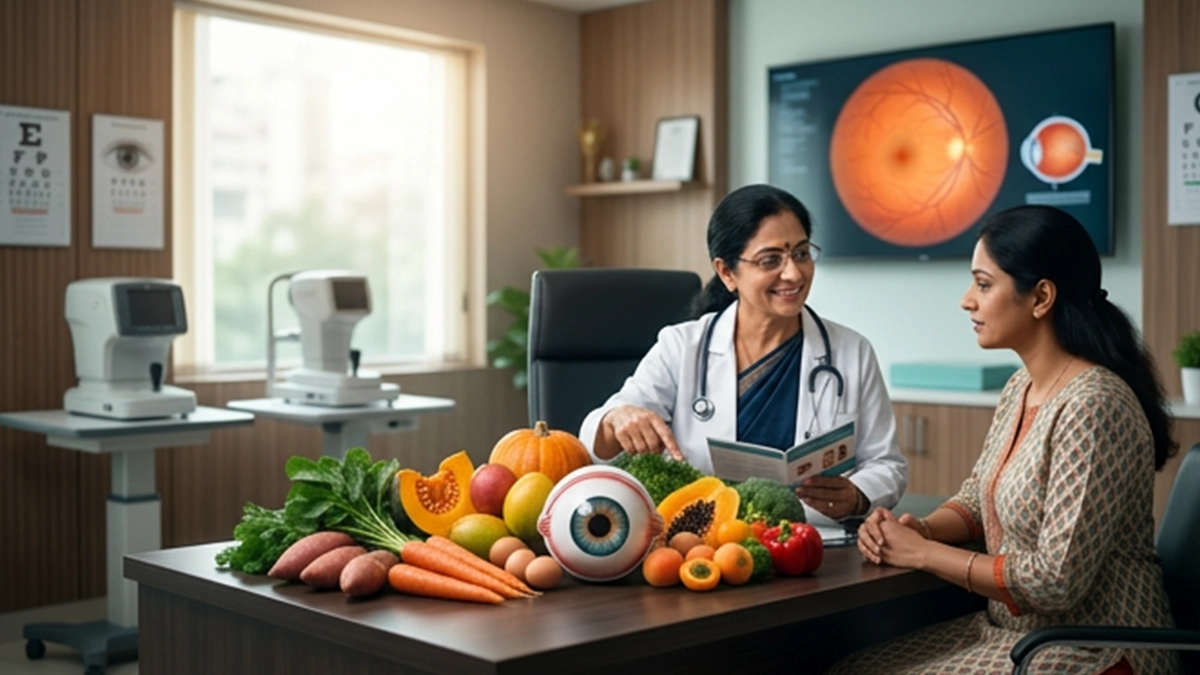
Healthy vision is also a result of what you put in your body. What you eat plays a large role. When it comes to vitamins and nutrients, the Vitamin A for eyes is at the top of the list which the body uses for normal eye function also including vision in low light conditions. Also it supports the tissue that does what it takes for an open healthy eye.
A healthy diet that includes natural sources of vitamin A foods is thus a key element in terms of long term eye health nutrition. Also it is true that increased intake of vitamin A doesn’t in itself improve acuity of vision. Vasan eye care aims to fulfill the body’s requirements for all nutrients at the same time keeps a well balanced diet.
Why Is Vitamin A Important for Your Eyes?
The retina uses vitamin A in the visual process which in turn allows the eyes to respond to light. This is a reason that vitamin A for eyes is tied into night vision. According to the U.S. National Institutes of Health reports that vitamin A deficiency causes xerophthalmia which at first may present itself in the form of difficulty seeing in low light. Severe and untreated deficiency may also cause damage to vision.
Vitamin A also is for eye health. The National Eye Institute reports that vitamin A is important for eye health, improves low light vision and also plays a role in protecting the eye surface.
For the average person, the large range of us choose from a variety of foods for eyesight is a better approach than high dose supplements which are taken without medical advice.
10 Vitamin A Foods That Support Healthy Vision
There are two primary forms of vitamin A present in food. Animal products mainly contain preformed vitamin A foods that supply carotenoids like beta carotene which the body transforms into vitamin A. To support eye health nutrition include a variety of vitamin A sources.
| Food | Main Nutritional Benefit for Eye Health |
| Sweet potato | Rich source of beta-carotene |
| Carrots | Provides beta-carotene that the body can convert to vitamin A |
| Spinach | Contains carotenoids and other nutrients associated with healthy vision |
| Kale | Provides beta-carotene along with lutein and zeaxanthin |
| Pumpkin | Naturally rich in orange carotenoid pigments |
| Mango | Provides beta-carotene and other antioxidants |
| Papaya | Contains provitamin A carotenoids |
| Eggs | Provide preformed vitamin A along with other eye-related nutrients |
| Milk and dairy products | Can provide preformed vitamin A; some products may also be fortified |
| Liver | Extremely concentrated source of preformed vitamin A and should be eaten cautiously |
These foods for eyesight do contribute to an overall healthy diet, but no single food prevents all eye diseases. Think of vitamin A for eyes as a piece of a large health puzzle which also includes many other types of food.
How Much Vitamin A Do Adults Need?
The levels of intake which are required vary by age, sex and life stage. The NIH Office of Dietary Supplements reports in micrograms of retinol activity equivalents or mcg RAE what is recommended.
| Adult Group | Recommended Daily Amount |
| Adult men | 900 mcg RAE |
| Adult women | 700 mcg RAE |
| Pregnant women | 770 mcg RAE |
| Breastfeeding women | 1,300 mcg RAE |
These studies show that a wide choice of vitamin A foods is enough for most adults. As for supplementing with vitamin A for eyes health that is not to say it is always beneficial, Vasan eye care see in some that large amounts of preformed vitamin A may in fact be toxic.
Can Vitamin A Improve Eyesight?
If health issues are a result of vitamin A deficiency should address that. But vitamin A for eyes does not usually correct for spectacle power, reverse cataracts or treat other retina and optic nerve diseases.
Good eye health nutrition should instead be a part of a total health plan which includes regular exams and the treatment and management of conditions like diabetes and high blood pressure.
If you have a report of your night vision getting worse, of unusual dryness, of persistent blurred vision or any other unexplained change, see an eye specialist which you should do in addition to making dietary changes.
Food First or Vitamin A Supplements?
For the large part which is true of healthy individuals they obtain what they need of vitamin A for eyes from a wide variety of foods. Colorful veggies, leafy greens, eggs and also certain dairy products will supply the required nutrients.
Supplements are a good option when deficiency is diagnosed or when a doctor recommends them for a certain medical reason. During pregnancy high dose supplementation should not be initiated without professional guidance.
At Vasan Eye Care what they often do integrate nutritional counseling into our comprehensive eye examination which is a total health of the eye assessment. Diet does play a role in the health of your eyes but it is not a substitute for diagnosis or eye care.
Building Better Eye Health Nutrition
Eye health nutrition is not limited to a daily dose of carrots or singular focus on one nutrient. Try out a variety of fruits, vegetables, leafy greens, protein sources and healthy fats. When you include these in your diet which supports eyesight, also do regular eye exams, get active, and manage your overall health which will better protect your vision.
A vitamin A for eyes based approach to food also provides other nutrients which in turn form part of a balanced diet.
Related Tips for Healthy Eyes
Along with including vitamin A-rich foods in your daily diet, understanding other essential nutrients can help you make informed choices for maintaining eye health. Explore the benefits of antioxidants for eye health and discover fruits good for eye sight to learn more about nutrient-rich foods that support normal vision. Understanding the importance of hydration is also helpful for maintaining eye comfort, while learning how stress may affect your vision can help you manage stressed eyes. Along with a balanced diet and healthy habits, regular eye check-up appointments can help identify potential eye problems and support timely care.
Conclusion
Vitamin A for eyes function especially in low light and for eye surface health. Instead of supplements which may be a risky option, vasan eye care recommends a well rounded diet that includes a variety of vitamin A foods as well as other healthy options to support your overall eye health nutrition.
If you have a report of persistent vision changes, night time vision issues or any other eye symptoms that do not jump to the conclusion that it is a result of diet, get an eye exam to determine the cause.
Frequently Asked Questions
1. What is the best vitamin A food for eyes?
Sweet potatoes, carrots and dark leafy greens are great sources of vitamin A in a plant based diet, in addition eggs and dairy are good for preformed vitamin A.
2. Does vitamin A improve eyesight?
In the field of ophthalmology vasan eye care see that Vitamin A for eyes is very important for normal vision in particularly low light conditions but that does not mean taking in extra vitamin A will improve normal eyesight.
3. Which foods are good for eyesight?
Carrots, spinach, kale, sweet potatoes, eggs, mangoes and papaya are good for your eyes when included in a varied diet.
4. Can vitamin A deficiency affect night vision?
Yes. Vitamin A deficiency also affects the eyes’ ability to adjust in the dark which in turn may cause night blindness.
5. Should I take vitamin A supplements for my eyes?
Not at every turn. A balanced diet usually supplies vitamin A, which in the case of supplements should only be done so as is medical for and at the advice of a health care professional.
References
- NIH Office of Dietary Supplements –https://ods.od.nih.gov/factsheets/VitaminA-Consumer