
About Squint Eye Treatment
Understanding Squint Eye Treatment (Strabismus) and Its Management
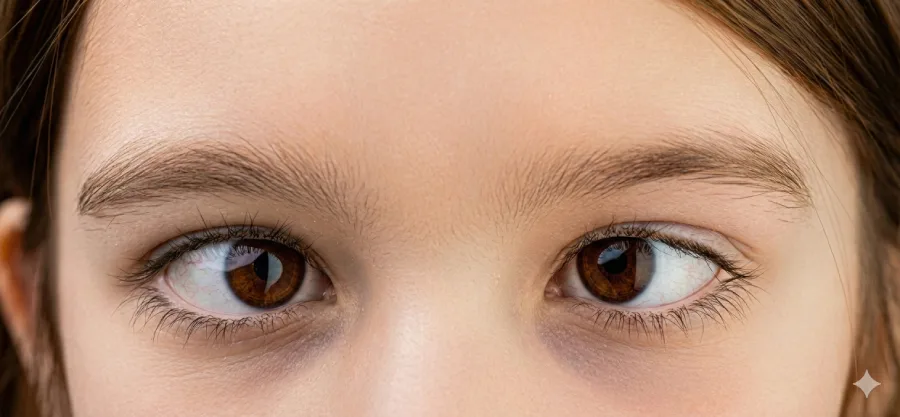
Squint Eye, medically known as strabismus, is a condition in which the eyes do not align properly and may turn inward, outward, upward, or downward. It can occur in both children and adults. In some individuals, the misalignment may be occasional and mild, while in others it can be constant and more noticeable. Depending on the severity, strabismus may affect binocular vision, depth perception, and overall visual comfort.
Squint Eye Treatment in India
Squint occurs when the muscles controlling eye movement do not work together in balance. As a result, both eyes do not focus on the same point at the same time. One eye may look straight while the other turns in a different direction.
In many cases, squint begins in childhood. However, squint eye treatment in adults is equally common. Adults may develop squint due to untreated childhood strabismus, nerve issues, trauma, thyroid problems, or other medical conditions. Some experience double vision, while others may only notice cosmetic changes.
In India, treatment options are advanced and widely available. The approach usually depends on:
- The type and severity of squint
- Age of the patient
- Underlying cause
- Presence of double vision
- Overall eye health
A detailed eye examination is the first step. Doctors assess eye alignment, muscle strength, binocular vision, and refractive errors. Based on findings, a personalized treatment plan is recommended.
Early intervention in children can prevent lazy eye (amblyopia). In adults, timely treatment can improve eye coordination and reduce double vision.
Types of Squint Eye Treatment Available in India
People need to find solutions which meet their specific needs because no solution works for every situation. Squint eye treatment starts with non-surgical methods and extends to surgical procedures which realign eye muscles.
- Glasses or Corrective Lenses
Some children develop squints because they do not use prescribed glasses to correct their farsightedness. The glasses which doctors prescribe will create vision restoration effects which develop throughout the upcoming period. This is often the first step in mild cases. - Prism Glasses
The prism lenses enable specific adults with double vision to align the images which they observe through both eyes. The treatment provides symptom relief but does not rectify the muscle imbalance which exists. - Vision Therapy
The selected cases may receive eye exercises which aim to develop their ability to control both eyes simultaneously. The therapy can enhance focus abilities and eye control but it does not work for all squint types. - Botulinum Toxin Injections
In some situations, injections are used to temporarily relax overactive eye muscles. This may be recommended for specific types of squint and can sometimes reduce the need for surgery. - Squint Surgery
When non-surgical methods do not provide adequate correction, surgery may be advised. During the procedure, the eye muscles are either tightened or loosened to achieve proper alignment.Squint eye treatment in adults through surgery is common and generally safe. The procedure is performed under local or general anesthesia depending on age and condition. Most surgeries are completed within an hour. Recovery is usually quick, and many patients return home the same day.
Squint Eye Treatment Cost in India
The cost of squint eye treatment in India depends on multiple factors which include the hospital location and city and the particular medical requirements of the patient and the selected treatment method and the necessity to correct either one or both eyes. The average cost of squint eye treatment in India starts from 25,000 Indian rupees and goes up to 80,000 Indian rupees or higher. Non-surgical treatments such as glasses or prisms are comparatively affordable while surgery involves additional costs like operation theatre charges and anesthesia. Cost represents only one element which should not determine treatment decisions.
The quality of diagnostic equipment and the surgeon’s experience and post-operative care represent equally important factors. Many hospitals offer consultation services to explain treatment plans and their related costs in a detailed manner. Health insurance will pay for some of the medical procedure costs when the treatment is deemed medically necessary instead of just being a cosmetic procedure. You should check your insurance policy coverage details before proceeding with your treatment.
Squint Eye Treatment Post-Surgery Care and Recovery
Patients experience an easy recovery process after their squint surgery. However, proper care plays a key role in achieving the best results. Patients experience mild redness and eye irritation together with eye watering shortly after their surgical procedure. Patients need to temporarily deal with double vision because their brain needs time to adapt to their new eye position. The symptoms will resolve themselves between two days and two weeks.
The doctor prescribes eye drops and medications to protect against infection and decrease eye swelling. The schedule needs complete execution at all times.
Most people can start doing basic activities again after two days. Children usually return to school within seven days but adults can go back to work when they feel ready.
Doctors schedule follow-up visits to check patients’ healing progress and eye position stability. The patients need additional treatment only when their eye position needs to be fixed because it has shifted.
What to Expect After Squint Eye Treatment?
The treatment of squinting eyes leads to both functional and cosmetic improvements. The most noticeable change is better positioning of the eyes. The improved eye alignment helps to enhance facial appearance and increase confidence. When both eyes work together properly depth perception improves. This eye function brings particular advantages for children during their growth stages. Proper alignment of the eyes reduces or eliminates double vision for adults who experience this condition. The brain requires time to adapt after the alignment corrections. The system will create temporary visual disruptions which will resolve themselves over time.
In certain long-standing cases, more than one procedure may be needed for complete correction. However, many patients achieve stable results with a single surgery.
Post-Operative Care Tips
The implementation of basic safety measures following medical treatment leads to more rapid recovery for patients. The patients need to follow their prescription schedule for eye drops. The patients need to avoid touching their eyes. The patients need to stay away from swimming activities for a minimum period of 2 to 3 weeks. The patients need to restrict intense workout sessions during their first phase of recovery. The patients need to attend all scheduled medical checkups. Children need ongoing observation to monitor their visual development progress. In some cases, patching therapy may still be recommended to strengthen the weaker eye. Adults should report any ongoing discomfort or excessive swelling or changes in their vision to their doctor without delay.
Frequently asked Questions
Squint eye treatment involves correcting the misalignment of the eyes using glasses, eye exercises, patching, or surgery, depending on the severity and cause of the condition.
Yes, mild squint can be treated without surgery using glasses, prism lenses, or vision therapy. Moderate to severe squint usually requires surgical correction.
Yes, squint eye surgery is safe when performed by experienced eye surgeons. It is a commonly performed procedure with good success rates.
Yes, squint eye treatment is effective for adults and can improve vision, reduce double vision, and enhance appearance.
You should consult an eye specialist as soon as eye misalignment is noticed, especially in children. Early treatment ensures better visual outcomes.