
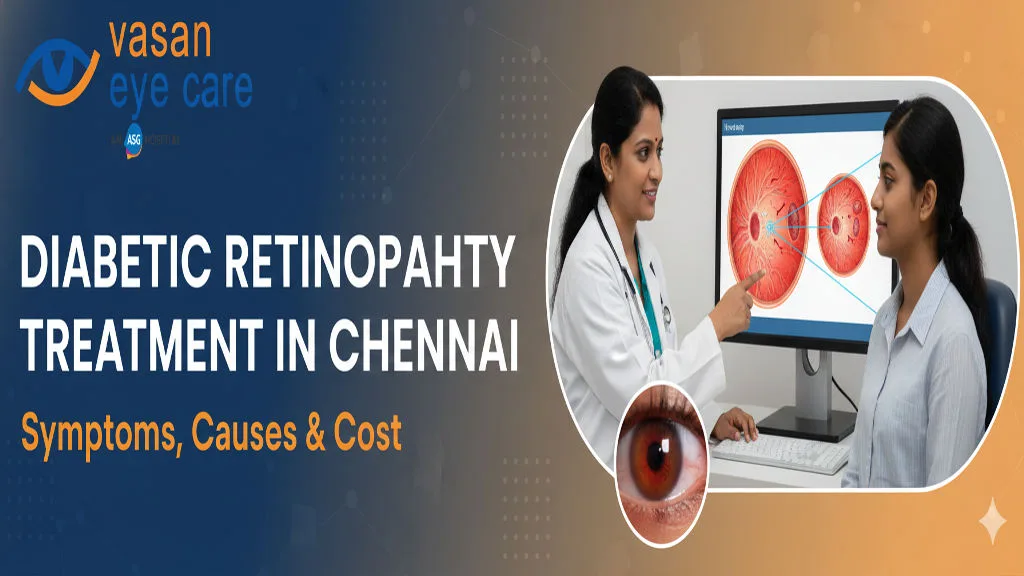
If you have diabetes, your eyes deserve focus, even on the busiest days when a lot of other things seem more pressing. Diabetic retinopathy is one of those conditions that sneaks up on you. You may not notice anything wrong until vision is severely impaired. That’s where a simple, informative guide can help: what to look out for; how it is diagnosed; the primary treatments available in Chennai; and what typical costs look like.
What is diabetic retinopathy?
The retina is the tissue at the back of the eye that captures light and sends images to the brain. High blood sugar over many years harms the tiny blood vessels that nourish the retina. Some vessels may leak, others close, and in later stages, the eye can sprout fragile new vessels that bleed easily. In the early stages, there are frequently no symptoms, so going by how “fine” you feel is not a safe approach. A regular Diabetic Eye Checkup in Chennai can detect changes early, before they become a problem.
What are the symptoms?
Here are some common Diabetic Eye Disease Symptoms Chennai patients report.
- Vision that blurs intermittently
- Can’t read in low light or at night
- Tiny floaters drifting across vision
- Small dark patches or shadows
- Colours seeming less vivid
If any of this sounds familiar, it’s worth arranging an eye check rather than hoping the change goes away.
Who is most at risk, and why does it happen?
The most common cause is chronically elevated blood sugar. Other risk factors that predispose to retinopathy are:
- Longer duration of diabetes
- Elevated blood pressure or cholesterol
- Smoking
- Pregnancies in people with diabetes
- Fluctuating glucose control
Knowing these risk factors enables you to treat your eyes as part of your own diabetes care.
How doctors stage the condition
Clinicians describe two main phases:
- Non-proliferative (early): vessels swell or leak; vision is often not affected.
- Proliferative (advanced): there are new, weak vessels that can bleed or form scar tissue.
Knowing the stage is crucial because it determines treatment and the likely follow-up schedule. It also determines the types of charges in Diabetic Retinopathy Treatment in Chennai you’ll need to plan for.
How it’s diagnosed?
Diagnosis is simple and painless. Typical tests include:
- Dilated retinal exam
- Optical Coherence Tomography (OCT) scans
- Fundus photography
- Fluorescein angiography in cases needing precise vessel-mapping
These tests help your retina specialist zero in on where the problem is and choose the best treatment.
Treatment options you are likely to find in Chennai
Chennai has high-tech retina centers and skilled specialists. Treatments are geared toward maintaining vision and treating the cause:
- Systemic control: Always the first order of business is tightening blood sugar, blood pressure, and cholesterol control.
- Anti-VEGF Injections: Are commonly used to reduce swelling at the centre of the retina (macular oedema) and to prevent abnormal blood vessel development.
- Laser photocoagulation: Instead of injecting drugs into the eye, a laser is used to seal off leaking vessels so they can’t damage healthy retina.
- Vitrectomy surgery: Employed when there is extensive bleeding or scarring within the eye.
When planning care, discuss the likely frequency of treatments. For example, injections often require multiple visits, which affects both outcomes and costs.
Decoding cost: what influences your bill
To budget for the procedure, you may need to understand the main types of charges in Diabetic Retinopathy Treatment in Chennai:
- Consultation and specialist fees
- Imaging studies (OCT, fundus photos, angiography)
- Anti-VEGF medication and injection costs
- Laser session fees
- Vitrectomy surgical fees, when necessary
- Consumables, hospital facility charges, and post-op visits
Request an itemised estimate from your clinic. That can help you compare options and understand how many follow-up visits or repeat treatments to expect; both of those affect the final count.
Typical cost ranges
Diabetic Retinopathy Cost in Chennai depends upon the clinic and treatment method. Here are cost ranges for various procedures.
- Diagnostic tests: ₹1,000 to ₹6,000
- Laser procedures: ₹8,000 to 20,000 per session
- Anti-VEGF injections: The cost is on the expensive side at ₹8,000 to 35,000 and depends totally on the brand of injection used.
- Vitrectomy surgery: Charges start from anywhere between ₹45,000 and go up to ₹1.2 lakh in some cases
It will all depend on how many follow-ups you need or sessions you require for your treatment.
In Conclusion: Trusted Diabetic Retinopathy Care in Chennai
You can’t treat diabetic eye conditions just once; they require ongoing follow-ups, clear guidance, and a team that knows how the condition evolves. This is one of the reasons why a lot of patients in Chennai prefer Vasan Eye Care. The best retina specialists in Chennai clinics have seen all aspects of Diabetic Retinopathy, from early-stage changes to more serious complications, and the diagnostic tools help them explain what’s going on in a way that feels reassuring, not overwhelming.
Their centres are located in popular areas such as Vadapalani, Porur, Tambaram, Chrompet, Madipakkam, Ambattur and many more.
FAQs
Once a year is typically sufficient, unless your doctor recommends more frequent visits.
Not if it’s caught early. Regular screenings can protect against serious vision changes.
For most people, there is little to mild discomfort since the eye has been numbed.
Get your eyes tested quickly. Sudden changes are not to be left without investigation.