
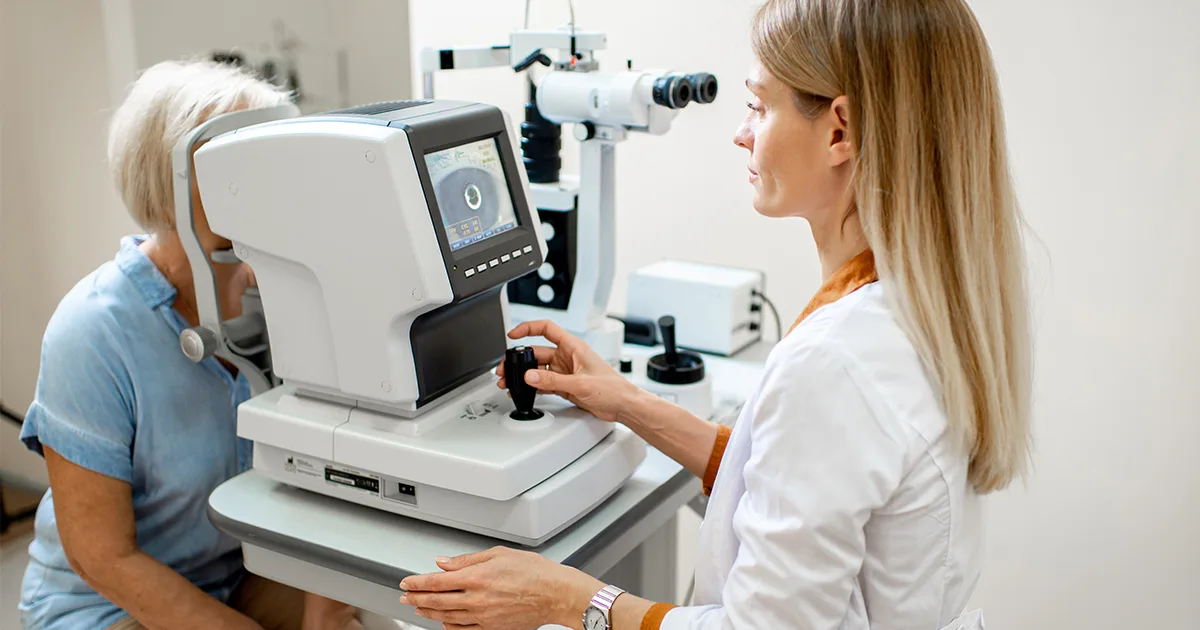
The current state of cataract surgery shows it has developed into an exact surgical method that uses ongoing improvements in technology. The research efforts of 2026 aim to achieve three goals, which include boosting surgical precision, delivering better visual results, and shortening patient recovery periods. The new treatments for cataracts create safer operations that surgeons can execute with dependable results while meeting the specific requirements of each patient.
Patients need to know about current cataract surgery technology advancements because they must choose their preferred treatment method. The adoption of advanced technology cataract surgery has become standard practice because highly skilled doctors who possess decades of experience back modern surgical methods.
Breakthrough Innovations in Cataract Surgery Technology
Femtosecond Laser-Assisted Cataract Surgery (FLACS)
The introduction of femtosecond lasers represents a major technological development that impacts current cataract surgical procedures. The method enables surgical teams to achieve improved operational results through the use of laser technology, which replaces multiple manual procedures.
When performed using the AI surgical system, the surgeon will have fewer manual tasks to perform and therefore will have greater control of the surgical procedure as well as a greater level of safety during surgery. For more complicated general surgical cases, as well as in cases where the patient is looking for predictable outcomes, this method of surgery is advantageous.
Advanced Surgical Planning Using AI
The development of artificial intelligence at present enables doctors to perform cataract operations with new advanced medical technologies, which provide them with precise surgical instruments. Artificial intelligence systems analyze the patient’s data (i.e., shape and thickness of cornea, lens density, measurements of the eye).
The primary benefits of this system include:
- Custom surgical plans for individual patients
- Enhanced selection process for intraocular lenses (IOLs)
- Smaller error margins
Cataract surgery uses advanced technology to achieve precise results, which allow doctors to fulfill patient visual goals at their most advanced level.
Advanced Intraocular Lenses (IOLs)
Modern intraocular lenses represent a major technological advancement which improves cataract surgery procedures. The lenses enable users to see clearly at different distances while decreasing their need for eyewear.
Advanced IOLs include three different lens types:
- Multifocal lenses for near and distance vision
- Extended depth of focus (EDOF) lenses for continuous vision
- Toric lenses for correcting astigmatism
Image-Guided Systems and Real-Time Mapping
The current state of intraocular lenses demonstrates significant technological progress, which enhances the procedures used in cataract surgery. The lenses enable users to see clearly at different distances while decreasing their need for eyewear.
Advanced IOLs include three different lens types:
- Multifocal lenses for near and distance vision
- Extended depth of focus (EDOF) lenses for continuous vision
- Toric lenses for correcting astigmatism
The surgical advancements enable patients to develop better visual capabilities after their operations. The ability to customize lens selection is a defining feature of cataract surgery, the latest technology in 2026.
Minimally Invasive Surgical Techniques
Micro-Incision Cataract Surgery (MICS)
Cataract surgery now uses micro-incision methods, which let eye doctors operate through smaller incisions that need less surgical entry space. The use of smaller incisions leads to:
- Faster healing
- Lower risk of infection
- Minimal induced astigmatism
MICS has become a standard method in modern cataract procedures because it delivers efficient results while maintaining high patient comfort levels.
Phacoemulsification Enhancements
Phacoemulsification serves as the fundamental technology that underpins cataract surgery. The latest advancements concentrate on developing energy-efficient systems which operate with enhanced accuracy.
The current technological systems provide:
- Decreased energy consumption for ultrasound operations
- Improved performance of fluid movement systems
- Advanced control capabilities for the process of lens extraction
The new enhancements lead to both safer medical procedures and faster recovery periods.
Also Read: How Diabetic Patients Can Safely Undergo Cataract Surgery
Enhanced Patient Outcomes and Recovery
Faster Visual Recovery
The newest advancements in cataract surgical techniques enable patients to achieve faster visual recovery. Many people observe major progress within a brief time frame following their operation.
The following elements contribute to this outcome:
- Reduced surgical trauma
- Precise lens placement
- Improved surgical techniques
The procedure of cataract surgery provides an accessible choice for people who want to take only short breaks from their daily activities.
Improved Safety Standards
Cataract surgery technology development creates its safety standards as the main priority. The advanced systems achieve risk reduction through their three main components, which include:
- Automated precision tools
- Unified monitoring system
- Enhanced sterilization methods
The skilled medical practitioners use these advanced technologies to achieve their professional success while delivering stable patient results.
Customised Vision Correction
Cataract surgery is becoming more customized to individual patients because of new developments in surgical technologies. The procedure is customized to each patient through assessment of their:
- Lifestyle considerations
- Visual demands
- Eye health
The approach will deliver results that enable patients to perform their daily home activities, which include reading, driving, and using a computer.
The Role of Skilled Surgeons
The selection of doctors with extensive experience results in:
- Accurate diagnosis
- Proper technology selection
- Effective surgical execution
The field of ophthalmology has maintained its exceptional standards for more than 30 years, which helps new technologies become successfully used in medical settings.
Accessibility and Affordability
With increasing adoption, advanced technology cataract surgery is becoming more accessible. Many Eye Hospitals now offer:
- Leading low price treatment options
- Affordable surgical packages
- Discount offer plans for eligible patients
These initiatives make high-quality eye care more attainable without compromising on standards.
What Patients Must Know Before Surgery?
Prior to cataract surgery, it is advisable to take into consideration relevant factors such as:
- The type of surgical technology utilized.
- The experience and expertise of the surgical team.
- The availability of advanced IOL alternatives.
- The availability and quality of post-surgical support.
Decisions made based on informed incentives will greatly improve the chances for successful results. Having a good understanding of the various options available will help you select an appropriate way to conduct the surgery.
Future Direction of Cataract Surgery Technology
The upcoming cataract surgical technology innovations will emerge from continuous development of automated systems, which deliver improved accuracy and enhanced operational efficiency for users. The present-day medical field shows two main technological advancements, which include robotic surgical systems, adaptable smart IOLs, and augmented reality systems that improve surgical planning. The new technologies for cataract surgery will improve existing techniques, which will result in better outcomes for patients.
Also Read: How Diabetic Patients Can Benefit from Laser Cataract Surgery
Why Timely Treatment Matters?
Surgical procedures have achieved their highest safety and effectiveness level due to recent technological advancements.
You should take advantage of advanced technology cataract surgery because it provides you with a chance to regain your clear vision. Your visual recovery will improve through early treatment, which also helps to decrease potential complications.
Take the Next Step
The current state of cataract surgery research provides doctors with precise methods for conducting safe operations that produce customized results. The combination of affordable packages and leading low price options, together with our team of highly skilled doctors, makes quality treatment accessible to patients.
The new advancements in cataract surgery provide better vision results for patients who take action now.
Frequently Asked Questions (FAQs)
Latest technology utilizes better precision tools such as lasers, artificial intelligence (AI) for planning, and advanced lenses that improve the accuracy of your surgery and improve the quality of your vision.
Advanced lenses can now correct both distant and near vision in addition to astigmatism, all during one surgical procedure.
Each patient’s eligibility is based on their eye health and general health prior to surgery.
Surgical techniques such as (image-guided systems) with real-time mapping provide real-time and accurate incision placement and lens placement.
The sooner cataracts are surgically removed, the better the chances of patients obtaining quality vision after their surgery. Early removal of cataracts provides fewer complications than later surgical procedures.
Find Cataract Treatments Near You: Cataract Surgery in Bangalore | Cataract Surgery in Hyderabad | Cataract Surgery Chennai