
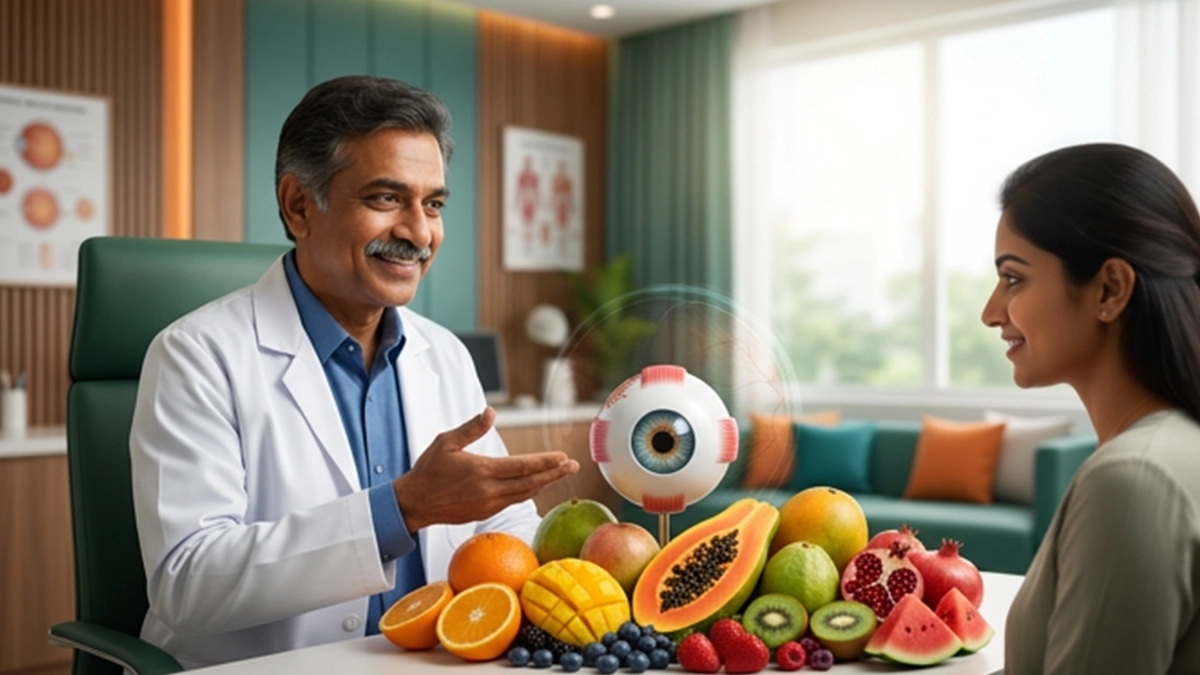
The best fruits for eye health that are rich in vitamins, antioxidants and other nutrients which support normal vision and eye function. Oranges, papaya, mangoes, berries and kiwi are great in a well balanced diet. Also include fruits for eyesight along with veggies, whole grains and other nutrient dense foods which support long term eye health Note that no single fruit is able to correct refractive errors or cure an eye disease
Why Are Fruits Important for Eye Health?
A wide range of foods present to the eye what it needs to function well. Vitamin A is great for vision in low light, at the same time vitamin C is a big help in fighting off oxidative damage. Also certain plant pigments do good for the retinal health.
Eating well also does the job for your eyes’ health. Out of the best fruits for eye health, foods like leafy greens, eggs, nuts, and fish put into your body important nutrients to promote better eye health. Diet balance is key to good vision which in turn supports what your eyes need to perform at their best. But don’t think that a good diet is all you need at Vasan Eye Care.Regular eye check-ups and following the treatment recommended by an eye specialist at Vasan Eye Care can help keep your eyes healthy and your vision clear.
15 Best Fruits for Eye Health
The following fruits offer different nutrients that contribute to a balanced diet and healthy vision. Availability, portion size and individual dietary needs should guide everyday choices.
| Fruit | Key nutrients | Potential eye-health benefit |
| 1. Oranges | Vitamin C | Supports antioxidant protection |
| 2. Papaya | Vitamins A and C | Supports normal vision and eye tissues |
| 3. Mangoes | Beta-carotene, vitamin C | Provides vitamin A precursors |
| 4. Kiwi | Vitamin C | Supports antioxidant functions |
| 5. Guava | Vitamin C | Contributes to normal tissue maintenance |
| 6. Blueberries | Anthocyanins, vitamin C | Provides antioxidant plant compounds |
| 7. Strawberries | Vitamin C | Supports cellular protection |
| 8. Black grapes | Polyphenols, anthocyanins | Supplies antioxidant compounds |
| 9. Watermelon | Lycopene, vitamin C | Contributes antioxidants and hydration |
| 10. Apricots | Beta-carotene | Provides vitamin A precursors |
| 11. Cantaloupe | Beta-carotene, vitamin C | Supports normal vision through nutrient intake |
| 12. Pomegranate | Polyphenols, vitamin C | Adds antioxidant-rich plant compounds |
| 13. Amla | Vitamin C | Supports normal antioxidant functions |
| 14. Avocado | Lutein, zeaxanthin | Supplies carotenoids associated with retinal health |
| 15. Bananas | Vitamin B6, other nutrients | Contributes to a varied, balanced diet |
How These Fruits Support Healthy Vision
1. Oranges, kiwi and guava: These fruits rich in vitamin C protect cells from oxidative stress. They are great options in the best fruits for eye health when included in a varied diet.
2. Papaya, mangoes, apricots and cantaloupe: These fruits contain beta carotene which the body transforms into vitamin A. Vitamin A supports the retina’s response to light and also helps maintain the eye’s surface.
3. Blueberries, strawberries and black grapes: These fruits provide anthocyanins and other plant compounds. While these are of research interest it is true to say that eating them does not guarantee sharper eyesight or prevention of eye disease.
4. Watermelon, pomegranate and amla: These produce a variety of options, they add fluids and antioxidant nutrients to your daily diet. They fit into a balanced eating plan which in turn contributes to health as a whole rather than a specific cure for improved vision.
5. Avocado and bananas: Avocado has lutein and zeaxanthin, carotenoids which are present in the retina. Bananas add to dietary variety, also it is put forward that neither fruit in particular is a solution to an existing eye issue.
Which Nutrients Matter Most for Eye Health?
The best fruits for eye health are when you know their nutrients and what they do. Vitamin A is for normal vision, also vitamin C is an antioxidant. Lutein and zeaxanthin are for retinal health and also which you can get from leafy green vegetables.
| Nutrient | Food sources | Role in eye health |
| Vitamin A precursors | Mango, papaya, apricot | Support normal vision in low light |
| Vitamin C | Amla, guava, oranges, kiwi | Supports antioxidant protection |
| Lutein and zeaxanthin | Avocado; leafy green vegetables | Found in the retina and help filter some high-energy light |
| Anthocyanins | Blueberries, strawberries, grapes | Plant compounds with antioxidant properties |
The best foods for eye health, is when you know their nutrients and what they do. Vitamin A is for normal vision, also vitamin C is an antioxidant. lutein and zeaxanthin foods are for retinal health and also which you can get from leafy green vegetables.
How to Include Fruits for Eyesight in Daily Meals
Choose to go for whole fruits instead of mostly juices which in fact may have less fiber per serving and also are very easy to over consume. Try out seasonal Indian choices like guava, papaya, mango and amla which do well when in season also do not forget berries and kiwi which also do well.
The health of your eyes is supported by a balanced diet. People with diabetes or other diet restrictions should pay attention to portion sizes and follow in according to their personal nutrition plan. A healthy diet can support good eye health, but it cannot completely prevent conditions such as cataracts, glaucoma, or retinal diseases. Regular eye check-ups at Vasan Eye Care can help identify potential problems early.
Can Fruits Prevent Eye Diseases?
No single fruit is responsible for prevention or reversal of eye disease. The National Eye Institute reports that AREDS and AREDS2 supplements which did reduce progression to advanced age related macular degeneration by 25% in high risk groups. This is in regard to certain supplement formulations which do not include fruit consumption and which do not suit all.
Persistent blurred vision, eye pain, sudden vision loss, new flashes of light or a report of a curtain like shadow note that you need to get in to see a doctor immediately. Sudden vision loss which if it happens is a medical emergency. Also have a regular eye exam which will catch issues before your vision is affected at all.
Eye Care at Vasan Eye Care
Vasan Eye Care provides for a wide range of issues related to vision. Eating a balanced diet that includes a variety of fruits for healthy vision over time. However, if you notice any changes in your vision or have a higher risk of eye problems, it’s important to get your eyes checked by a specialist at Vasan Eye Care. An ophthalmologist is able to evaluate changes in vision and to also put into play the right diagnostic steps or treatments.
For regular preventative care [eye check-up] are recommended at Vasan eye care. Nutrition and routine eye exams play a complimentary role in eye health.
Frequently Asked Questions
1. Which fruit is best for eye health?
There isn’t a single best fruit for all people. Guava, oranges, kiwi, papaya and mango are great sources of vitamins and antioxidants. Eat a variety of fruits in addition to veggies and other nutrient dense foods which will present a larger spectrum of nutrients.
2. Can fruits improve eyesight naturally?
Fruits supply the nutrients which support normal eye health, in particular when diet is lacking in variety. Also they do not correct for short or long sightedness or astigmatism and they do not take the place of medical treatment for eye disease.
3. Which fruits contain vitamin A?
Mangoes, papaya, apricots and cantaloupe present beta carotene which the body puts into vitamin A. Vitamin A supports normal vision especially in low light and also helps out the surface of the eye.
4. Are fruits enough to maintain healthy eyes?
No. Fruits play a role in a balanced diet which also should include veggies, whole grains, protein and healthy fats. Also for good eye health we see to it that we have regular eye exams, wear the right glasses when we need to and manage conditions like diabetes.
References
- National Eye Institute — AREDS/AREDS2 Clinical Trials
https://www.nei.nih.gov/eye-health-information/clinical-trials/age-related-eye-disease-studies-aredsareds2/about-areds-and-areds2 - National Institutes of Health, Office of Dietary Supplements — Vitamin A and Carotenoids: Consumer Fact Sheet
https://ods.od.nih.gov/factsheets/VitaminA-Consumer/