
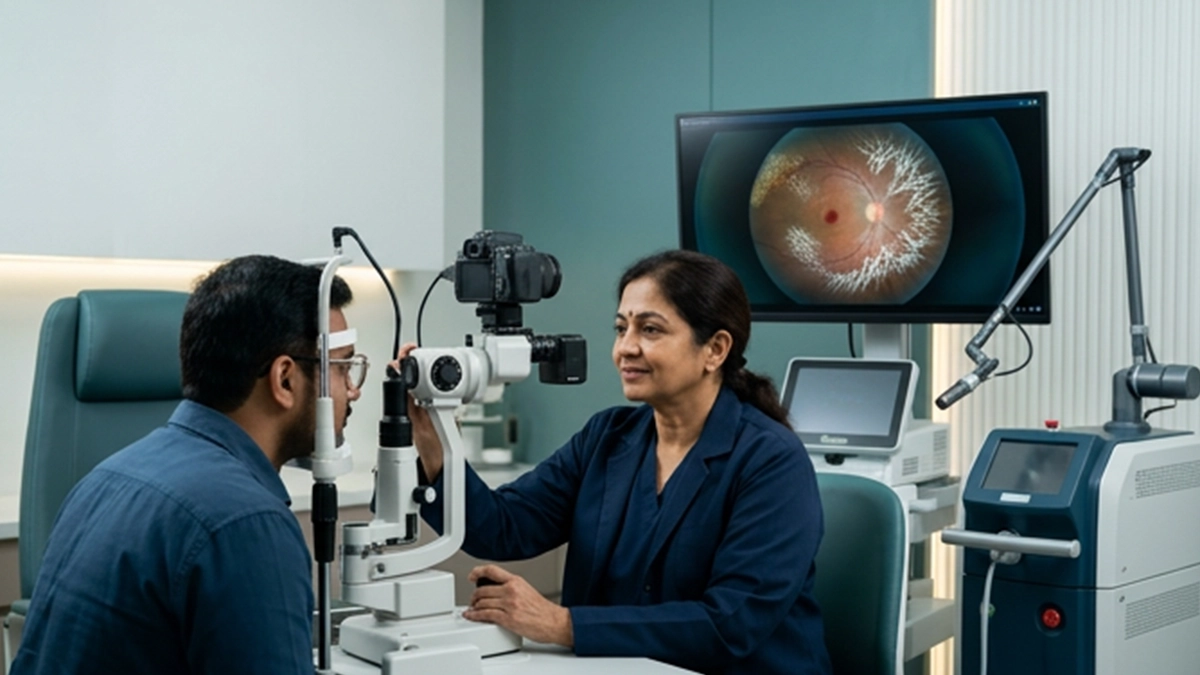
The lattice degeneration retina which is a condition that marks areas of thin out in the peripheral retina, the light sensitive tissue at the back of the eye. This is what is seen in a routine dilated eye exam, also when a person may have no symptoms. Although in many cases this is a stable issue it does at times present with retinal holes or tears, so it is key to understand the finding and follow up with an ophthalmologist.
What Is Lattice Degeneration?
Lattice retinal degeneration is characterized by sections of peripheral retinal thinning which present a lattice like pattern. This condition does not in itself cause retinal detachment, also not all require treatment. A specialist will evaluate the site and appearance of the affected areas also look for related changes before they put forth a treatment plan.
A note of lattice degeneration retina should be included with the patient’s full eye health picture, degree of myopia and history of retinal issues in the family or past personal experience. It is also fair to put to the ophthalmologist what was seen at the exam, if monitoring is required and which symptoms would be a reason for urgent care.
How Does Myopia Affect Retinal Risk?
People which include those with moderate to high myopia may see they are at great risk of retinal complications which is because the eye in these cases is usually longer than average. Also when there are weak retina changes present the ophthalmologist may pay more attention to the peripheral retina. But it is important to note that myopia or lattice changes does not mean that a tear or detachment will definitely happen.
Myopia retinal tear risk reports an increase in incidence not a diagnosis of certainty. It is advised that people looking into vision correction speak with a qualified refractive surgeon. While the question of is lasik permanent is a good place to start what is right for you and what results you may see depends on an individual assessment
Patients also need to talk with their surgeon about which patients. who should not have laser eye surgery, especially if they have an unstable prescription or other health issues in the eye. What is the issue of LASIK surgery safe should be addressed by looking at the specific benefits, risks and limitations for that individual.
Some patients question what is right for them in terms of PRK eye surgery. What we find is that the best procedure is determined by the results of the eye exam, prescription, state of the cornea and also other personal factors. It is at the proper consultation that these decisions should be made instead of from general info alone.
Symptoms That Need Urgent Attention
Most of what they see is that most people with lattice degeneration retina do not have any symptoms. That which is term lattice degeneration is an issue which is noted in the retina before visual changes are reported by the patient. However new visual changes are a sign of a retinal tear or detachment which is a serious issue and should always be brought to the attention of a health care professional.
| Warning sign | What to do |
| A sudden increase in floaters | Seek urgent eye assessment |
| Flashes of light | Arrange an urgent retinal examination |
| A dark curtain or shadow across vision | Seek emergency eye care immediately |
| Sudden blurred or reduced vision | Obtain urgent medical attention |
Do at once see a doctor if you notice these symptoms. Early evaluation may identify a retinal tear and give a specialist the chance to determine if treatment is needed.
Diagnosis and Monitoring
A wide field retinal exam is performed by the ophthalmologist to see into the peripheral retina. The specialist may report out the extent of lattice retinal degeneration, look for retinal holes, and to determine if follow up or treatment is required. The treatment schedule is based off of exam results and the patient’s health history. In some cases lattice degeneration treatment is not required until the risk profile or retinal appearance changes.
People who have weak retina may require more frequent monitoring if they also present with high myopia, prior retinal tear or detachment, or a family history of retinal detachment. The ophthalmologist will also go over myopia retinal tear risk and give out clear information on symptoms that require prompt attention. Also with info on myopia retinal tear risk patients may in turn make informed decisions regarding follow up. The specialist can put into perspective myopia retinal tear risk in the setting of the full exam. Specialist retina services also play a role in the assessment and follow up when required.
When Is Treatment Needed?
Lattice degeneration treatment is managed based on what is found by the ophthalmologist. Many areas which are asymptomatic or do not present high risk features can be monitored without laser treatment. If a retinal tear is present or a certain lesion is of a concerning nature, the specialist may recommend laser photocoagulation or some other appropriate intervention.
Laser surgery produces small areas of adhesion at the site of a particular retinal issue. It does in some cases reduce risk of detachment, but it’s not a sure fire way to prevent it altogether. You may still get detachment in a different part of the retina which is why any new symptoms require prompt assessment even post treatment.
| Examination finding | Possible approach |
| Lattice changes without a tear or high-risk features | Observation and scheduled follow-up |
| A retinal hole or tear with concerning features | Specialist assessment to decide whether treatment is needed |
| Symptoms suggesting retinal detachment | Urgent or emergency assessment |
Appropriate care for lattice degeneration treatment is very much a case by case issue. Patients should ask why a treatment is put forth, what the benefits and risks are, and when to come back in for a review. which aim to base our decision on what they see in the retina, not the diagnosis itself. Also a follow up visit may be used to determine if lattice degeneration treatment is still the right choice or if continued monitoring is sufficient.
Looking After Retinal Health
Routine eye exams are of great importance for people with high myopia or past retinal issues. An exam may catch weak retina changes before symptoms present. Keep up with your follow up appointments and report to urgent care if you notice flashes, floaters, a curtain like shadow or sudden vision loss. With a diagnosis of lattice degeneration retina in the family, they know what is going on and which emergency eye care services to use. If weak retina changes are noted, ask about the frequency of follow up.
If retinal holes are found follow the specialist’s advice instead of the assumption that all holes will require laser treatment. In the case of lattice retinal degeneration some may only require monitoring, also some other findings may call for a different approach. The term lattice retinal degeneration is used to describe what the affected area looks like which may or may not predict the outcome.
Patients that are looking at refractive procedures should speak to their surgeon about their retinal health. What Vasan eye care put forward is that which procedure to use, including prk eye surgery, is based on what is best for the individual in question and also does not include the treatment of retinal changes.
For people looking into laser vision correction in depth they will find that in depth medical advice out does a simple one size fits all answer. That which is asked of is lasik permanent does not take the full assessment which is required, and the issue of who should not have laser eye surgery is best answered by looking at eye health, prescription stability and other related factors. Also a conversation about lasik surgery safe should include benefits, what the risks are, and what is a realistic expectation.
Conclusion
Lattice degeneration retina is a stable condition in many cases but this has to be vigilant as in some it does present with tears or detachment which is serious. A dilated eye exam will help us to decide on the need for treatment or just to continue watchful waiting. Follow the ophthalmologists’ advice exactly and if at all there is any sudden change in your vision get in touch with care immediately. Also for all that are diagnosed with lattice degeneration retina it is very important they get the right info and back for regular checks which in turn will help protect long term eye health.
Frequently Asked Questions
1. Does lattice degeneration always cause retinal detachment?
No. Many issues present no symptoms at all. Risk is based on what is seen in the retina, degree of myopia, past retinal issues and symptoms. An ophthalmologist will put forth a recommendation for either watchful waiting or treatment after which they will examine the retina.
2. Can laser treatment cure lattice degeneration?
Laser may also be used for certain retinal tears or defects that present high risk but is not given as a routine practice to all patients. The treatment does not eliminate all future risk of retinal detachment. It’s best decided on an individual basis after an in depth specialist examination.
3. Should people with myopia have retinal checks?
People with high myopia may benefit from regular dilated retinal examinations, particularly if they have symptoms or a history of retinal problems. An eye-care professional can recommend an appropriate follow-up schedule based on individual risk.
4. Which symptoms need emergency eye care?
A sudden appearance of floaters, flashes of light, a dark curtain or shadow, or sudden vision loss may be signs of a retinal tear or detachment. Go to urgent eye care instead of waiting for a routine appointment.
References Links
- American Academy of Ophthalmology, EyeWiki:
https://eyewiki.aao.org/Lattice_Degeneration - National Eye Institute, Retinal Detachment:
https://www.nei.nih.gov/eye-health-information/eye-conditions-and-diseases/retinal-detachment