
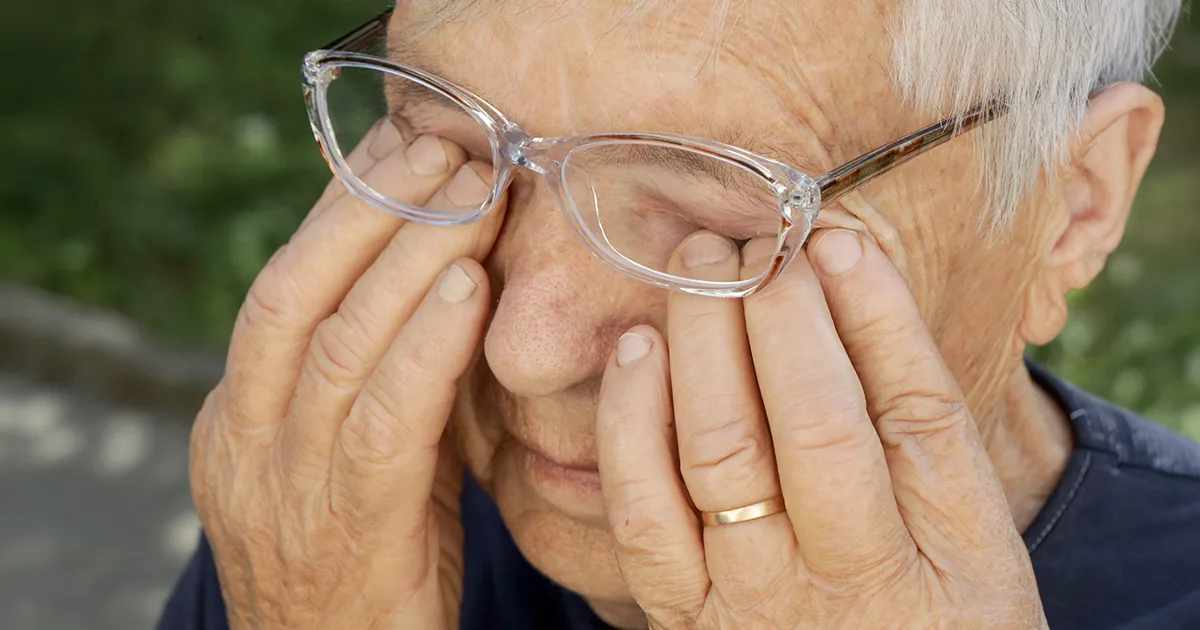
You rub your eyes in the middle of a dusty commute and the itching only gets worse. Or you wake up in a pollen-heavy morning and your lids feel puffy before you have even had breakfast. Itchy eyes are among the most common reasons people visit an eye clinic, and while most cases are harmless, a few deserve a closer look.
This guide walks you through the main causes of itchy eyes, the symptoms that travel with them, and the remedies and prevention tips that actually help.
Why Do Eyes Itch?
The eyes itch because of histamine release and surface irritation. Allergic triggers release histamine from cells in the conjunctiva, producing classic itch. Non-allergic triggers irritate the eye surface directly, which sends nerve signals that the brain reads as an urge to rub.
8 Common Causes of Itchy Eyes
1. Allergic conjunctivitis
The commonest cause. Triggers include pollen, dust, pet dander, perfume, cosmetics, and chlorine. Usually affects both eyes, with itching, watering, redness, and puffy lids.
2. Dry eye disease
A thin or unstable tear film leads to a gritty, itchy feel. Long screen use, ACs, and fans worsen it.
3. Blepharitis
Chronic inflammation of the eyelid margins. Itching along the lash line, crusting, and flaky lid skin are classic.
4. Contact lens irritation
Lenses worn too long, lens deposits, or lens solutions can cause itch.
5. Infections
Viral and bacterial conjunctivitis can cause itching along with discharge.
6. Environmental irritants
Smoke, fumes, strong perfumes, and chlorinated water can cause temporary itch.
7. Eyelid conditions
Demodex mite infestation, meibomian gland dysfunction, and seborrhoeic dermatitis affect the eyelids.
8. Preservative reaction
Some patients develop itch with certain preservatives in eye drops, especially with long-term use.
What Are the Symptoms That Come With Itchy Eyes?
- Redness
- Watering
- Swelling of the eyelids
- Burning or stinging
- Gritty, sandy feeling
- Thin, stringy mucus
- Crust on lashes in the morning
- Mild sensitivity to light
- Tired, heavy eyes by evening
- Sneezing or runny nose if allergy is driving it
How Are Itchy Eyes Diagnosed?
A careful visit at an eye specialist hospital usually includes:
- Detailed history (onset, triggers, seasonal pattern)
- Slit-lamp examination
- Lid margin and tear film assessment
- Allergy review, with referral if needed
- Contact lens hygiene and fit review where relevant
Most causes can be identified in one visit.
Simple Remedies for Relief
1. Cool compresses
A clean, cool, damp cloth for 5-10 minutes eases itch quickly. Useful for allergic or screen-related itching.
2. Preservative-free lubricating drops
Wash out irritants and support the tear film. Use 2-4 times a day during flare-ups.
3. Warm compresses for blepharitis
Softens lid oils and reduces chronic lid inflammation.
4. Gentle eyelid hygiene
A clean, damp cotton pad along the lash line, or a diluted baby shampoo solution where advised, reduces crust and bacterial load.
5. Antihistamine eye drops
Prescription drops such as olopatadine, ketotifen, or sodium cromoglicate help allergic conjunctivitis.
6. Oral antihistamines
Useful when the allergy is more widespread (hay fever with itch, sneezing, runny nose).
7. Pause contact lenses
Switch to glasses while the eye is irritated. Replace old lens cases.
8. Avoid rubbing
Rubbing releases more histamine, worsens inflammation, and can damage the cornea in severe allergies.
9. Manage the environment
Close windows during high-pollen days. Keep fans and AC vents angled away from the face. Reduce smoke and perfume exposure.
10. Stop irritating cosmetics
Replace old mascara and kajal, and choose hypoallergenic products where possible.
Supportive eye treatments including lubricating drops, mast cell stabilisers, and lid hygiene handle the majority of chronic itchy-eye cases.
What Is the Quickest Way to Ease Itchy Eyes?
- Step away from the trigger
- Rinse the eye gently with clean water if suitable
- Cool compress for 10 minutes
- Lubricating drop or antihistamine drop
- Pause contact lenses
- Avoid rubbing
- Keep hands clean
If relief does not come in a day or two, book a review.
Which Foods Support Eye Comfort?
No single food cures itchy eyes, but diet supports overall eye and skin health.
- Leafy greens and citrus fruits for vitamin C
- Oily fish, flaxseed, and walnuts for omega-3s
- Amla, berries, and pomegranate for antioxidants
- Eggs and dairy for vitamin A and D
- Carrots, sweet potatoes, and pumpkin for beta-carotene
- Nuts and seeds for vitamin E
Balanced meals reduce inflammation markers that worsen allergies and dry eye over time.
When to Worry About Itchy Eyes
Most itching is harmless. Book a review if you notice:
- Vision is blurred or reduced
- Severe eye pain
- Thick coloured discharge
- Swelling spreading beyond the eye
- Itching for more than 2 weeks despite home care
- Contact lens related discomfort
- Recurrent seasonal flare-ups
- A child with significant rubbing and eye damage
A full examination at an eye hospital identifies the cause and sets a plan.
Itchy Eyes in Special Situations
Children
Kids rub their eyes often, which can worsen allergies. Keep nails short, offer cool compresses, and manage triggers.
Contact lens wearers
Use daily disposables if itching is frequent. Clean lens cases weekly and replace monthly. Switch to glasses during any flare-up.
Pregnant women
Discuss any prescription drops with your obstetrician. Safer options are usually available.
Outdoor workers
Wear UV-rated wraparound sunglasses. Keep preservative-free drops and clean tissues handy.
Prevention Tips
- Wash hands often
- Avoid rubbing the eyes
- Keep home dust-free
- Close windows during peak pollen season
- Change pillowcases regularly
- Shower and change clothes after outdoor work
- Treat eczema, asthma, and other allergic conditions
- Manage dry eye proactively
- Use UV-rated sunglasses outdoors
- Keep eye makeup personal and up to date
When Should You See a Doctor?
Book an appointment if:
- Itching is persistent despite home care
- Vision is affected
- There is pain, thick discharge, or significant swelling
- You have frequent seasonal flare-ups
- You wear contact lenses and itch is recurring
- A child is rubbing eyes hard or losing vision
- You are considering long-term allergy management
Itchy Eye Care at Vasan Eye Care
Vasan Eye Care has been looking after patients across India since 2002, now as part of ASG Enterprises. With more than 150 super-speciality centres, 500+ ophthalmologists, and over 5,000 trained eye care staff, the team sees itchy eyes every day, from simple seasonal allergy to chronic blepharitis and lens-related issues. A typical visit combines examination, targeted prescriptions, and practical lifestyle advice.
Key Takeaways
- Itchy eyes are most often caused by allergies, dry eye, blepharitis, and irritants.
- Symptoms include redness, watering, swelling, and a gritty feel.
- Simple steps such as cool compresses, lubricating drops, and trigger avoidance ease most cases.
- Antihistamine and mast cell stabiliser drops help allergic conjunctivitis.
- Persistent or painful itching, or itching with vision change, needs an eye review.
- Lifestyle, environment, and contact lens hygiene play a big role.
Frequently Asked Questions
Fruits rich in vitamin C and antioxidants help soothe inflammation associated with eye surface irritation. Amla, guava, oranges, sweet lime, berries, pomegranate, papaya, and mango are useful choices. They do not cure allergic itching, but combined with a balanced diet and proper treatment, they support the tear film and reduce general inflammation over weeks.
Antihistamine eye drops (such as olopatadine or ketotifen) and mast cell stabilisers (such as sodium cromoglicate) are commonly prescribed for allergic itching. Oral antihistamines help when itching comes with sneezing and nasal symptoms. Preservative-free lubricating drops ease dryness-related itching. Steroid drops are reserved for severe cases and used only under an eye doctor’s supervision.
Book a review if itching lasts more than two weeks despite home care, if it comes with blurred vision, significant pain, thick coloured discharge, or swelling spreading beyond the eye, and if a child is rubbing the eyes so much that vision is affected. Recurrent flare-ups with known contact lens use also deserve a proper review to prevent surface damage.
Step away from the trigger, rinse briefly with clean water, apply a cool compress for 10 minutes, use preservative-free lubricating drops or a prescribed antihistamine drop, pause contact lenses, and avoid rubbing. If the itch is allergy-driven, an oral antihistamine may help. Persistent or painful itch needs a medical review rather than repeated home attempts.
References
- American Academy of Ophthalmology. Itchy Eyes. https://www.aao.org/eye-health/symptoms/itchy-eyes
- National Center for Biotechnology Information. Allergic Conjunctivitis. https://www.ncbi.nlm.nih.gov/books/NBK448118/
- National Eye Institute. Eye Health. https://www.nei.nih.gov/learn-about-eye-health
Treatments We Offer: Eye Treatments | Cataract Surgery | LASIK Eye Surgery | Squint Eye Treatment | Retinal Diseases | EPI LASIK | Corneal Services | Refractive Surgery | Oculoplasty Surgery | Dry Eye Treatment | Contoura Vision Surgery | Anti VEGF Agents Treatment | Photorefractive Keratectomy | Vitrectomy Surgery | Epi Contoura Eye Surgery | Customised LASIK Surgery | Retinal Laser Photocoagulation Treatment | Implantable Collamer Lens |Cataract Surgery in Bangalore | Cataract Surgery in Hyderabad | Cataract Surgery Chennai | LASIK Eye Surgery in Hyderabad | LASIK Eye Surgery in Bangalore | LASIK Eye Surgery in Chennai | Retina Services in Hyderabad | Retina Services Chennai | Squint Eye Treatment in Bangalore | Squint Eye Treatment in Hyderabad | Squint Eye Treatment in Chennai | Glaucoma Treatment in Bangalore | Glaucoma Treatment in Chennai | Glaucoma Treatment in Hyderabad
Eye Conditions We Treat: Glaucoma Treatment | Orbital Trauma | Macular Hole | Retinopathy of Prematurity | Uveitis | Traumatic Treatment | Retinal Detachment | Cataract Diseases | Posterior Subcapsular Cataract | Diabetic Retinopathy | Rosette Cataract Surgery | Squint Eye Disease