
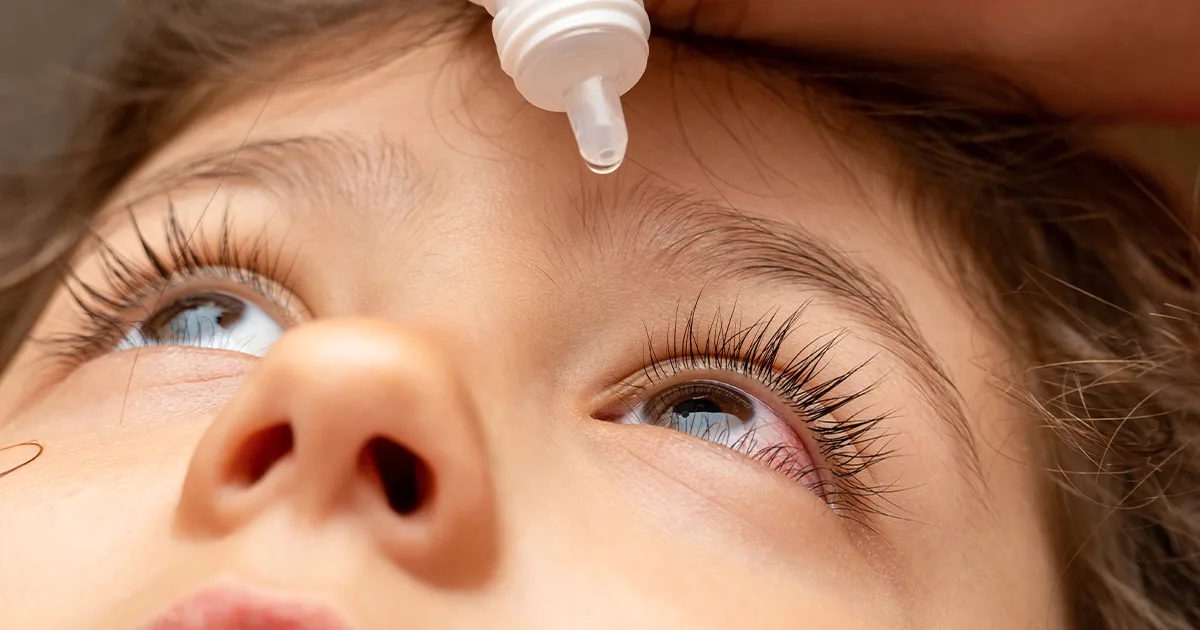
Red, watery, sometimes sticky, and usually affecting one eye first before moving to the other, pink eye is one of the most recognisable eye complaints. Most people in India know it as “eye flu”. Medically, it is called conjunctivitis. It is common, contagious in some forms, and almost always manageable with the right steps.
This guide walks you through what pink eye is, what causes it, how to treat it, and how to stop it spreading through your home, school, or workplace.
What Is Pink Eye?
Pink eye is another name for conjunctivitis. The conjunctiva is a thin, transparent layer covering the white of the eye and the inside of the eyelid. When it is irritated or infected, the small blood vessels dilate and the eye appears pink or red.
Pink eye is very common, usually not serious, and usually resolves within a week or two when managed correctly. A few forms are highly contagious, which is why hygiene is a major part of the plan.
What Is the Main Cause of Conjunctivitis?
The main causes of conjunctivitis fall into four groups.
1. Viral infection
The most common cause of pink eye, often linked to the same viruses that cause colds. Highly contagious. Spreads through direct contact, shared towels, pillowcases, and hands that touched the infected eye.
2. Bacterial infection
Less common but more likely to produce thick yellow or green discharge, sticky eyelids, and heavy morning crusting. Common in children.
3. Allergic reaction
Triggered by pollen, dust, pet dander, cosmetics, or chlorine. Both eyes are usually affected, itching is the standout symptom, and watering is heavy.
4. Chemical or irritant exposure
Smoke, workplace fumes, splashes, and harsh cosmetics can all cause pink eye without any infection.
What Are the Symptoms of Pink Eye?
Common features include:
- Redness of the white of the eye
- Watery or sticky discharge
- Gritty, itchy, or burning sensation
- Mild sensitivity to light
- Morning crust on the lashes
- Swollen eyelids
- A runny nose or sore throat in viral cases
- A feeling that the eyelid is “stuck shut” in the morning
- Usually one eye first, with the second eye catching up in a day or two
Vision is usually unaffected, though the watery film may blur it briefly.
How Is Pink Eye Diagnosed?
A careful slit-lamp examination at an eye hospital is usually enough. The doctor will:
- Check the redness pattern
- Look at the type and amount of discharge
- Examine the inside of the eyelid for follicles (viral) or papillae (allergic)
- Check the lymph node in front of the ear
- Test vision
- Take a swab only in selected severe or unusual cases
What Is the Rule of Eight in Conjunctivitis?
The “rule of eight” is a rough teaching point in clinical ophthalmology. It highlights the typical time course of viral conjunctivitis:
- Incubation is usually up to 8 days
- A patient is contagious for around 8 days after the eye becomes red
- Recovery usually takes 8 to 14 days
These numbers vary with different viruses and patients, so they are a guide rather than a rule. The practical point is that people are contagious for more than a week, even when they start to feel a little better.
How Is Pink Eye Treated?
Treatment matches the cause.
1. Viral pink eye
- Cool compresses
- Preservative-free lubricating drops
- Plenty of rest and fluids
- Strict hand hygiene
- Separate towels and pillowcases
- Antibiotics are not needed in uncomplicated viral cases
- Antiviral drops only for selected severe viral types
2. Bacterial pink eye
- Antibiotic eye drops or ointment prescribed by a doctor
- Gentle eyelid cleaning with a clean, damp cotton pad
- Warm compresses to loosen crust
- Improvement usually begins within 2 to 3 days
3. Allergic pink eye
- Avoid the trigger
- Antihistamine drops
- Mast cell stabilisers for recurrent cases
- Oral antihistamines if needed
- Cool compresses and lubricating drops
4. Chemical or irritant pink eye
- Immediate rinse with clean water or saline for 10 to 15 minutes
- Same-day medical review for chemical splashes
- Avoid further contact with the irritant
Supportive eye treatments such as lubricating drops, lid hygiene, and where appropriate anti-inflammatory drops often form part of the full plan.
Prevention Tips
Two core tips, then a few more.
Two essential prevention tips
- Wash hands often with soap and water. This is the single most effective step against contagious pink eye.
- Do not share personal items. Towels, pillowcases, kajal, mascara, and eye drops pass infection easily.
Other useful steps
- Avoid touching your eyes with unwashed hands
- Keep hand sanitiser handy during monsoon or known outbreaks
- Rinse your eyes with clean water after dust or pollution exposure
- Stop sharing eye makeup, including between close friends and family
- Keep allergies under control
- Wear swim goggles in pools
- Change pillowcases daily during the illness
- Stay home from school or office while discharge is active
- Avoid wearing contact lenses during active pink eye
Pink Eye in Children
Children get pink eye often, especially in monsoon.
- Keep them home from school or playgroup while discharge is active
- Teach them to wash their hands before and after touching the face
- Use a separate towel and bedsheet
- Do not share eye drops between siblings
- Book a doctor’s review if symptoms persist beyond a week
Pink Eye in Contact Lens Wearers
- Remove lenses at the first sign of redness
- Switch to glasses until the eye is clear
- Discard the pair of lenses and the case used during the illness
- Start with a fresh pair after a doctor’s review
- Review lens hygiene practices to avoid recurrence
Complications
Most pink eye episodes heal without any lasting issue. Possible complications include:
- Corneal involvement (keratoconjunctivitis)
- Secondary bacterial infection in viral cases
- Chronic allergic inflammation
- Rare scarring in severe cases
Timely review at an eye treatment in india centre reduces the risk of these.
When Should You See a Doctor?
Book a review if:
- Vision is blurred and does not clear with blinking
- The eye is significantly painful
- Redness and swelling spread outside the eye
- Symptoms last beyond 10 days
- Discharge keeps returning after drops
- You wear contact lenses or have had eye surgery
- A newborn or child has red, sticky eyes with fever
- You are unsure whether it is viral, bacterial, or allergic
Pink Eye Care at Vasan Eye Care
Vasan Eye Care has been looking after patients across India since 2002, now as part of ASG Enterprises. With more than 150 super-speciality centres, 500+ ophthalmologists, and over 5,000 trained eye care staff, the team sees pink eye cases every day, especially during monsoon seasons. A typical visit includes a careful examination, identification of the type of conjunctivitis, and a practical plan with hygiene and follow-up advice.
Key Takeaways
- Pink eye is another name for conjunctivitis.
- It is caused by viruses, bacteria, allergies, or irritants.
- Typical symptoms are redness, itching, watering, and crusty discharge.
- Treatment depends on the type; viral cases do not need antibiotics.
- Handwashing and not sharing towels are the most effective prevention steps.
- Most cases resolve within a week or two; persistent or painful cases need a doctor’s review.
Frequently Asked Questions
The two most effective tips are regular handwashing with soap and water, and avoiding shared personal items like towels, pillowcases, and eye cosmetics. Combined, they block the two most common ways pink eye spreads. Additional steps such as keeping hand sanitiser handy, rinsing eyes after dust or pollution exposure, and staying home during active infection further reduce the risk, particularly during monsoon season.
The most common cause of conjunctivitis in India is viral infection, often linked with cold-like viruses and spread through close contact and shared surfaces. Bacterial conjunctivitis is also frequent, especially in children, and produces thicker sticky discharge. Allergies are another major cause in dusty, high-pollen areas. Less often, chemical splashes or workplace fumes trigger a similar reaction.
The “rule of 8” is a teaching guide for viral conjunctivitis. It suggests that the incubation period is around 8 days, the patient remains contagious for about 8 days after the eye becomes red, and full recovery takes roughly 8 to 14 days. These numbers vary with different viruses, but the practical point is that someone with pink eye is infectious for much longer than they may feel unwell.
The most useful treatment depends on the cause. Viral cases respond to supportive care, lubricating drops, and cool compresses. Bacterial cases usually clear quickly with prescribed antibiotic eye drops. Allergic cases improve with antihistamine drops and trigger avoidance. Chemical splashes need urgent rinsing and a doctor’s review. A proper examination is the fastest way to pick the right option rather than trying random remedies.
References
- National Center for Biotechnology Information. Conjunctivitis. https://www.ncbi.nlm.nih.gov/books/NBK541034/
- American Academy of Ophthalmology. Pink Eye. https://www.aao.org/eye-health/diseases/pink-eye-conjunctivitis
- Centers for Disease Control and Prevention. Conjunctivitis Treatment. https://www.cdc.gov/conjunctivitis/treatment/index.html
Treatments We Offer: Eye Treatments | Cataract Surgery | LASIK Eye Surgery | Squint Eye Treatment | Retinal Diseases | EPI LASIK | Corneal Services | Refractive Surgery | Oculoplasty Surgery | Dry Eye Treatment | Contoura Vision Surgery | Anti VEGF Agents Treatment | Photorefractive Keratectomy | Vitrectomy Surgery | Epi Contoura Eye Surgery | Customised LASIK Surgery | Retinal Laser Photocoagulation Treatment | Implantable Collamer Lens |Cataract Surgery in Bangalore | Cataract Surgery in Hyderabad | Cataract Surgery Chennai | LASIK Eye Surgery in Hyderabad | LASIK Eye Surgery in Bangalore | LASIK Eye Surgery in Chennai | Retina Services in Hyderabad | Retina Services Chennai | Squint Eye Treatment in Bangalore | Squint Eye Treatment in Hyderabad | Squint Eye Treatment in Chennai | Glaucoma Treatment in Bangalore | Glaucoma Treatment in Chennai | Glaucoma Treatment in Hyderabad
Eye Conditions We Treat: Glaucoma Treatment | Orbital Trauma | Macular Hole | Retinopathy of Prematurity | Uveitis | Traumatic Treatment | Retinal Detachment | Cataract Diseases | Posterior Subcapsular Cataract | Diabetic Retinopathy | Rosette Cataract Surgery | Squint Eye Disease