
Cataracts maintain their status as a leading cause of vision impairment which affects elderly people. The condition develops progressively but its untreated state brings severe consequences for a person’s ability to perform daily tasks. The correct treatment time thus becomes a vital decision point. This blog outlines who needs cataract surgery, the early signs to watch for, and how diagnosis determines the course of action.
The combination of expert doctors who possess extensive experience and the clinic’s multiple decades of success enables timely evaluation which prevents vision loss from disrupting daily activities. Patients can take immediate action based on their understanding of both disease progression and its warning signs.
What is a Cataract?
People with cataracts lose their ability to see clearly because their eye lens becomes cloudy and their vision becomes less bright. The lens starts as a transparent structure but develops opacity through protein accumulation which occurs with time. The condition causes an obstruction to light transmission which results in visual impairment.
The gradual development of cataracts creates difficulties for detection during required eye exams which need to be conducted at regular intervals. Most people who experience slight vision changes choose to avoid medical care because they believe their condition remains manageable.
Early Signs You Must Know
The process of diagnosing and treating medical conditions requires doctors to identify initial symptoms which lead to identification of the disease. Patients do not notice the slow development of their condition until their sight reaches a state of severe loss.
Blurred or Cloudy Vision
People will see their surroundings during this time period which appears to them as though they are observing through a window covered by fog. This symptom serves as the initial warning sign which people can observe.
Increased Sensitivity to Light
People experience discomfort from bright lights which produce glare at night. The experience of driving during nighttime hours becomes extremely challenging.
Frequent Changes in Prescription
People who require regular updates for their eyewear prescription need to understand that this serves as a sign of advancing cataract development.
Faded or Yellowed Colors
Colors now show dullness because they lost their original brightness which makes it difficult to see things.
Double Vision in One Eye
Some people develop double vision from their left or right eye which serves as an unnoticed common symptom.
Difficulty with Night Vision
The main sign for this condition shows how people lose their ability to see well during low-light situations.
The signs need to be treated as urgent matters because they require immediate attention. The medical team can develop better treatment plans when they identify the disease at its early stage.
Also Read: Types of Cataract Surgery: Which is Best for You?
Who Needs Cataract Surgery?
Not all cataracts require immediate surgery. The decision depends on how severe the symptoms are and how they affect everyday activities.
Individuals with Vision Interference in Daily Activities
Surgical intervention becomes necessary when cataracts start to impact daily activities which include reading and driving and working.
Patients with Advanced Cataracts
The lens develops extreme opacity during advanced stages, which prevents successful treatment through non-surgical methods.
Individuals Experiencing Safety Risks
Blurred vision increases the risk of falls, accidents, and injuries, especially in older adults.
Those with Co-existing Eye Conditions
Conditions like glaucoma or diabetic retinopathy may require timely cataract removal to prevent further complications.
Patients Seeking Improved Quality of Life
Even moderate cataracts can reduce overall visual comfort. Surgery is recommended when patients experience persistent inconvenience.
It is important to note that there is no benefit in delaying surgery once it becomes necessary. Acting at the right time leads to better recovery and visual outcomes.
How Is Cataract Surgery Performed?
The process of surgery for cataracts requires patients to learn about its execution. The operation meets all requirements for safety and accuracy, which makes it a standard procedure.
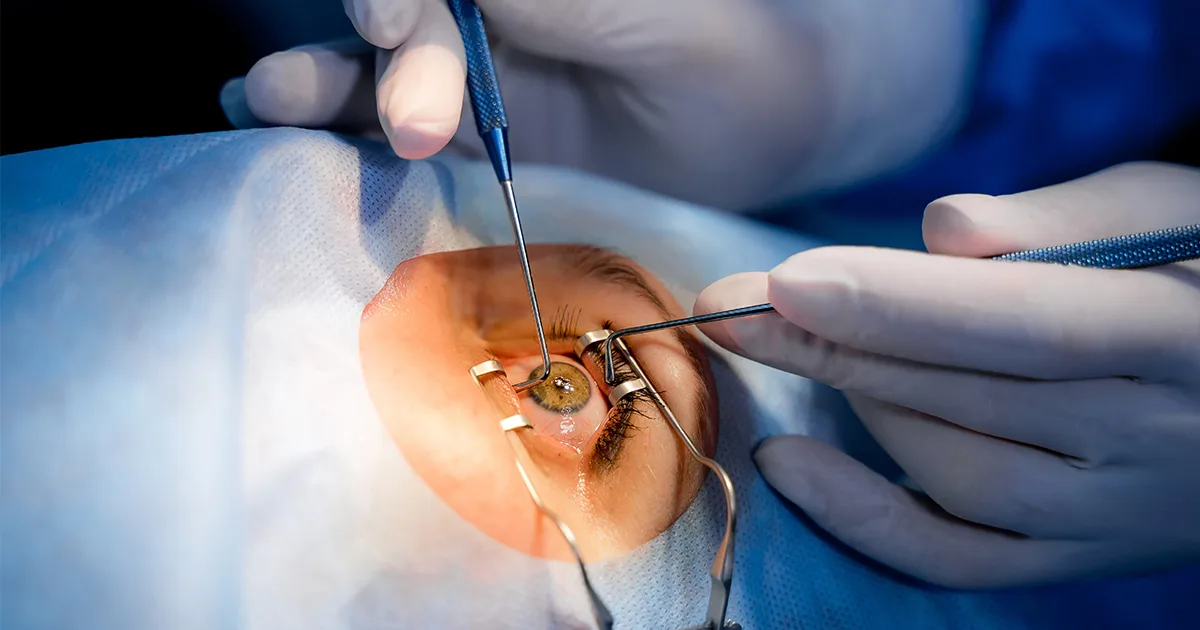
Cataract surgery requires surgeons to extract the opaque natural lens from the eye and then implant an artificial intraocular lens. The process typically includes:
- Creating a small incision in the eye
- Using ultrasound technology to break the cloudy lens
- Taking out the broken lens pieces
- Inserting a new cataract surgery lens
The procedure usually requires only a brief time for completion, which allows patients to leave the hospital soon after. Modern techniques provide patients with a comfortable experience, which results in quick recovery times.
Patients often question, is cataract surgery painful. The procedure uses local anesthesia,which makes it almost completely free of pain. The patient will feel light pain after the treatment, but they will be able to handle it.
Visual Acuity Test
The test assesses vision clarity across various distance ranges.
Slit-Lamp Examination
The test enables a complete assessment of all eye components through its ability to examine the lens and other eye structures.
Retinal Examination
The test assesses retinal health while identifying all hidden medical conditions.
Measurement for Lens Selection
The measurement results determine which cataract surgery lens provides the best visual results. Early diagnosis plays a critical role in treatment planning. People who are 40 years old and older should receive regular eye examinations.
Also Read: Latest Advances in Cataract Surgery Technology 2026
Cataract Surgery Recovery and What to Expect
The process of recovery from cataract surgery requires understanding its details to establish proper expectations. The patient will experience rapid recovery, which leads to better vision results within several days. The patient will achieve complete recovery after several weeks of healing. The medical staff needs to have full control over the patient’s treatment during this time.
Key Aspects of Recovery:
- Patients will experience a slow process of better vision
- The first days after surgery will cause patients to experience mild eye irritation,together with redness
- Patients need to stay away from all forms of intense physical exercise
- Patients need to attend all scheduled medical appointments
Patients need to report any uncommon symptoms that develop during their recovery period. The patient should seek emergency medical treatment because it protects them from developing medical complications.
Post-Cataract Surgery Care
Proper post cataract surgery care is essential for successful outcomes. Adhering to guidelines significantly reduces the risk of complications.
Essential Care Measures:
- Use prescribed eye drops according to the given instructions.
- The eyes should not be touched or rubbed by anyone.
- The eyes need protection from both dust particles and bright light.
- The user should wear protective eyewear when safety equipment use has been recommended.
- People should practice proper hygiene methods to protect themselves from infectious diseases.
Patients must understand that their recovery process depends on both the medical procedure and their commitment to follow aftercare instructions.
Is Cataract Surgery Painful?
A common concern remains: Is cataract surgery painful? The answer is no in most cases.
With advanced techniques and anesthesia, the procedure is comfortable. Patients experience pressure without experiencing any pain. The post-operative discomfort lasts only for a short time and remains at minimal levels.
This reassurance helps patients overcome hesitation and proceed with necessary treatment.
When to Act: Don’t Miss the Right Time
Delaying treatment leads to two outcomes that create medical problems and decrease the success of surgeries. Patients must know the importance of timely intervention.
The public should treat warning signs, which include persistent blurred vision, difficulty in daily activities, and need for prescription changes, as actual medical emergencies. The process of recovering from surgery becomes easier when patients visit their eye doctors for early medical evaluation.
The healthcare system provides better treatment access because it offers low-cost treatment solutions, which include discounts at multiple centers. Patients should start their required medical procedures instead of waiting to receive their essential treatment.
Why Timely Cataract Surgery Matters?
The results from cataract surgery provide more than vision restoration because they offer multiple advantages that enhance all aspects of patient life. People who can see clearly will achieve greater success because their improved vision helps them work better and stay safe during their tasks.
Medical facilities employs doctors who possess extensive experience which allows them to deliver precise medical diagnoses and create successful treatment plans. Eye Hospitals facilities have built up its surgical experience over several decades, which enables modern cataract procedures to deliver consistent and accurate surgical results.
The correct timing for surgery combined with effective methods for post-surgical care will preserve visual acuity for an extended duration.
Frequently Asked Questions (FAQs)
How do I know if I need cataract surgery?
If vision problems begin to interfere with daily activities such as reading or driving, surgery may be required. An eye specialist can confirm this through detailed evaluation.
How is cataract surgery performed?
It involves removing the cloudy lens and replacing it with an artificial cataract surgery lens. The procedure is quick and typically completed on the same day.
Is cataract surgery painful?
The procedure uses local anesthesia to keep patients comfortable throughout their operation. The body will experience only mild post-surgery discomfort which will last for a short period.
How long does cataract surgery recovery take?
Patients first experience recovery after a few days but complete healing needs multiple weeks. Patients who follow medical instructions will experience a seamless recovery process.
What is included in post cataract surgery care?
Post cataract surgery care requires patients to use their prescribed eye drops while they need to prevent eye strain and protect their eyes, and attend follow-up appointments.
Can cataracts return after surgery?
No. The natural lens gets replaced with an artificial lens, which prevents any possibility of cataracts developing. Some patients will develop minor clouding, which medical professionals can treat through simple methods.
Cataract Treatments Near You: Cataract Surgery in Bangalore | Cataract Surgery in Hyderabad | Cataract Surgery Chennai