
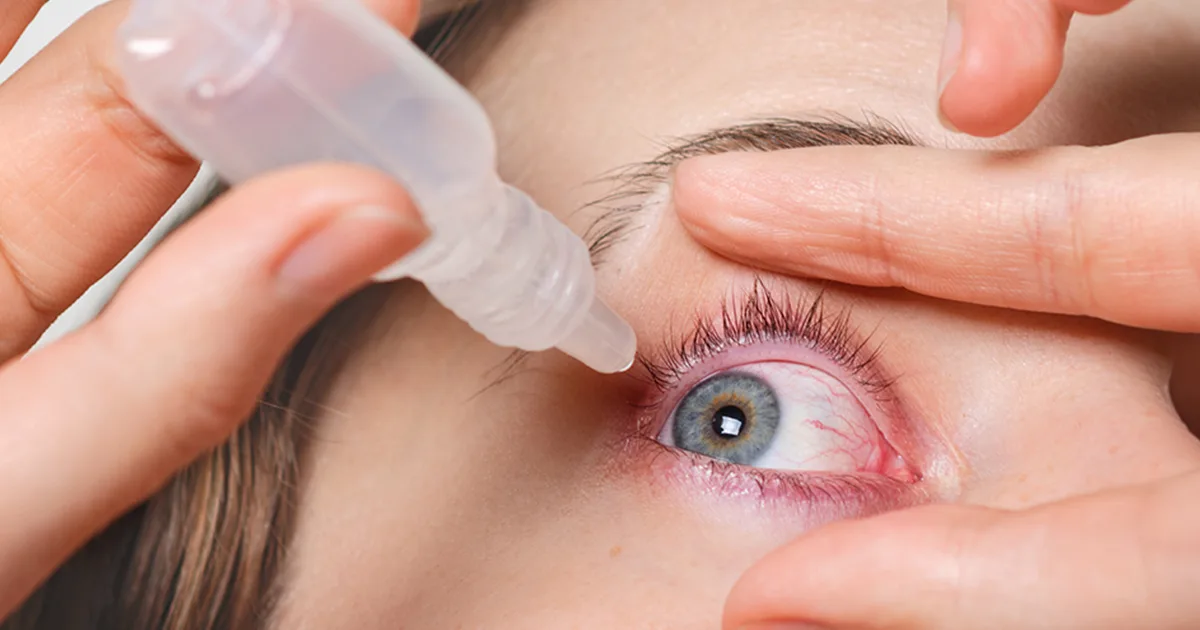
Panophthalmitis is one of the more serious eye emergencies. It is an acute, severe infection and inflammation of the entire eye, including the surrounding soft tissues of the orbit. Unlike everyday red eye or conjunctivitis, this condition moves quickly, causes significant pain, and can threaten vision or even the eye itself.
This guide walks you through what panophthalmitis is, what causes it, how it is diagnosed, and the treatment options available for this urgent condition.
In one line: Panophthalmitis is a severe infection affecting all layers of the eyeball and the surrounding orbital tissues, causing intense pain, redness, and vision loss, and it always needs urgent specialist care at a hospital.
What Is Panophthalmitis?
Panophthalmitis is a pan-involvement infection of the eye. “Pan” means all, “ophthalmitis” means inflammation of the eye. In simpler terms, the infection reaches every layer of the eyeball and often spills into the tissues of the orbit.
It is distinguished from endophthalmitis, which is a severe infection limited to the inside of the eyeball. Panophthalmitis is a more extensive process.
Without prompt treatment, it can cause:
- Permanent vision loss
- Loss of the eye (phthisis or surgical removal)
- Spread of infection to the brain in rare cases
What Causes Panophthalmitis?
Panophthalmitis is usually caused by:
1. Post-traumatic infection
Severe eye injury, especially with open wounds and foreign bodies entering the eye, is a major risk factor.
2. Post-surgical infection
After cataract, glaucoma, retinal, or other intraocular surgery, even with strict sterility, a small proportion of cases can develop infection.
3. Spread from nearby infection
Severe orbital cellulitis, sinusitis, or facial infections can extend into the eye.
4. Bloodborne infection
Bacteria or fungi from another body site (endocarditis, intravenous drug use, severe sepsis) can lodge in the eye.
5. Perforated corneal ulcer
An untreated corneal ulcer can break into the eye and cause widespread infection.
6. Untreated endophthalmitis
An infection that began inside the eye can progress to panophthalmitis if not treated in time.
7. Immunocompromised states
Diabetes, cancer treatment, HIV, and long-term steroid use increase the risk.
What Causes Panuveitis?
Panuveitis, a related but different condition, is inflammation affecting the front, middle, and back of the eye, without necessarily being infective. Common causes include:
- Autoimmune diseases (Vogt-Koyanagi-Harada disease, Behçet disease, sarcoidosis)
- Tuberculosis
- Syphilis
- Viral infections (cytomegalovirus, herpes)
- Toxoplasmosis
- Certain cancers
Panuveitis and panophthalmitis can overlap, but the key difference is that panophthalmitis is usually more severe and infective, while panuveitis can be inflammatory without infection.
What Are the Symptoms of Panophthalmitis?
The symptoms are striking:
- Severe, deep, constant eye pain
- Marked redness
- Swollen eyelids and surrounding tissues
- Proptosis (the eye being pushed forward)
- Restricted eye movement
- Severe drop in vision
- Sensitivity to light
- Cloudy cornea
- Pus in the front chamber of the eye (hypopyon)
- Fever and general unwellness
- Headache and nausea
Any patient with several of these signs needs same-day evaluation.
How Is Panophthalmitis Diagnosed?
Diagnosis is based on a mix of clinical findings and tests.
- Detailed history (recent surgery, trauma, systemic infection)
- General physical examination for signs of sepsis
- Visual acuity testing
- Slit-lamp examination of the front of the eye
- Eye pressure measurement
- Dilated fundus examination if the media are clear enough
- Ocular ultrasound to assess the vitreous and retina
- CT or MRI of the orbit to evaluate extension into surrounding tissues
- Blood tests (complete blood count, cultures, inflammatory markers)
- Anterior chamber paracentesis or vitreous tap for microbiological analysis
- Specific tests for suspected systemic infection
A prompt review at an eye specialist hospital is the right step at the earliest sign.
How Is Panophthalmitis Treated?
Treatment has to be quick and aggressive.
1. Systemic broad-spectrum antibiotics
Intravenous antibiotics are started immediately, often before culture results are available. Choice is later refined based on sensitivity.
2. Intravitreal antibiotics
Injections directly into the vitreous cavity deliver high concentrations of medicine where it is most needed.
3. Antifungals
If fungal infection is suspected, specific intravenous and intravitreal antifungal drugs are added.
4. Topical therapy
Strong antibiotic eye drops, anti-inflammatories, and cycloplegics are used to control surface inflammation and pain.
5. Vitrectomy surgery
Surgical removal of the infected vitreous gel reduces the microbial load and allows better drug penetration. Combined with intravitreal antibiotics.
6. Supportive care
Pain control, antipyretics, management of diabetes or systemic conditions, and careful hydration.
7. Evisceration or enucleation
In severe, non-responding cases, especially when the eye is blind and painful, surgical removal of the eye may be the only option left to prevent spread and control pain. This is a last-resort decision.
8. Rehabilitation and prosthesis
If an eye is removed, ocular prosthetics can restore the cosmetic look. Supportive eye treatments such as lubricating drops help the fellow eye.
What Is the Treatment of Choice for Panophthalmitis?
There is no single “one-size” treatment. The current approach, based on evidence and severity, combines:
- Urgent IV antibiotics
- Intravitreal antibiotics
- Early vitrectomy in most cases
- Systemic antifungals when fungi are suspected
- Careful monitoring and possible evisceration or enucleation if the eye cannot be saved
Choice depends on:
- Cause (post-traumatic, post-surgical, bloodborne)
- Organism (bacteria, fungi, virus)
- Time since onset
- Severity
- Condition of the other eye
- Patient’s general health
Prognosis
The outcome depends heavily on how quickly treatment begins. Delayed cases often end in significant vision loss or loss of the eye. Early, aggressive treatment can save useful vision in some patients, particularly those with less aggressive organisms.
Prevention Tips
- Wear protective eyewear in high-risk environments
- Treat corneal ulcers and infections promptly
- Use contact lenses hygienically
- Attend scheduled post-surgical follow-ups
- Keep diabetes and systemic infections well managed
- Do not self-medicate with steroid eye drops
- Seek prompt care for any suspected eye infection
Panophthalmitis in Special Situations
Post-surgical
Any sudden worsening after cataract, retina, or glaucoma surgery deserves same-day review.
Trauma
Open-globe injuries are managed as surgical emergencies, with prophylactic antibiotics.
Diabetic patients
Infections progress faster; a very low threshold for seeking help is essential.
Immunocompromised patients
Rare organisms may be involved; specialist input is essential.
Children
Prompt paediatric and general anaesthesia support may be needed. An eye hospital with a paediatric ophthalmology team is suitably placed for this.
When Should You See a Doctor?
Urgent review is needed if you have:
- Severe eye pain with swelling and redness
- Sudden vision loss
- A protruding eye
- Fever alongside eye pain
- Recent eye surgery with worsening symptoms
- Eye injury with pain and vision change
- Known corneal ulcer that is worsening
- Any of the above in an immunocompromised person
Do not wait. Panophthalmitis progresses quickly.
Panophthalmitis Care at Vasan Eye Care
Vasan Eye Care has been looking after patients across India since 2002, now as part of ASG Enterprises. With more than 150 super-speciality centres, 500+ ophthalmologists, and over 5,000 trained eye care staff, the team handles severe eye infections with urgency, coordinating medical, surgical, and systemic care. A typical pathway includes prompt evaluation, immediate IV and intravitreal antibiotics, surgical intervention where needed, and structured follow-up.
Key Takeaways
- Panophthalmitis is a severe infection affecting all layers of the eye and often the orbit.
- It causes intense pain, redness, swelling, vision loss, and sometimes proptosis.
- Common causes are trauma, post-surgical infection, and bloodborne spread.
- Diagnosis combines examination, imaging, and microbiological tests.
- Treatment includes IV and intravitreal antibiotics, antifungals, vitrectomy, and supportive care.
- Delayed treatment risks vision loss or loss of the eye.
Frequently Asked Questions
Treatment involves urgent intravenous antibiotics, intravitreal antibiotic injections, and often early vitrectomy surgery to reduce the infection load. Antifungals are added when fungal infection is suspected. Topical drops, pain control, and management of underlying conditions support recovery. In the most severe or non-responding cases, removal of the eye (evisceration or enucleation) may be needed to control pain and stop spread.
Panophthalmitis is usually caused by severe bacterial or fungal infection. Common triggers include penetrating eye injuries, post-surgical infection, untreated corneal ulcers, spread from sinus or facial infections, and bloodborne infections from conditions such as endocarditis or intravenous drug use. Immunocompromised patients and those with uncontrolled diabetes are at higher risk.
Panuveitis is inflammation of the front, middle, and back of the eye and is often inflammatory rather than infective. Common causes include autoimmune diseases such as Vogt-Koyanagi-Harada disease, Behçet disease, and sarcoidosis, as well as infections like tuberculosis, syphilis, herpes viruses, and toxoplasmosis. The exact cause is worked out through eye examination, imaging, and blood tests.
Endophthalmitis is a severe infection inside the eyeball and is a related but different condition from panophthalmitis. Treatment includes urgent intravitreal antibiotic injections, often vitrectomy, topical and sometimes systemic antibiotics, and management of any underlying cause. Post-surgical cases are treated as emergencies. Early referral to an eye specialist hospital gives the eye a strong chance of preserved vision.
Reviewed by the clinical team at Vasan Eye Care.
References
- National Center for Biotechnology Information. Panophthalmitis. https://www.ncbi.nlm.nih.gov/books/NBK535438/
- American Academy of Ophthalmology. Endophthalmitis. https://www.aao.org/eye-health/diseases/what-is-endophthalmitis
- National Eye Institute. Eye Infections. https://www.nei.nih.gov/learn-about-eye-health
Treatments We Offer: Eye Treatments | Cataract Surgery | LASIK Eye Surgery | Squint Eye Treatment | Retinal Diseases | EPI LASIK | Corneal Services | Refractive Surgery | Oculoplasty Surgery | Dry Eye Treatment | Contoura Vision Surgery | Anti VEGF Agents Treatment | Photorefractive Keratectomy | Vitrectomy Surgery | Epi Contoura Eye Surgery | Customised LASIK Surgery | Retinal Laser Photocoagulation Treatment | Implantable Collamer Lens |Cataract Surgery in Bangalore | Cataract Surgery in Hyderabad | Cataract Surgery Chennai | LASIK Eye Surgery in Hyderabad | LASIK Eye Surgery in Bangalore | LASIK Eye Surgery in Chennai | Retina Services in Hyderabad | Retina Services Chennai | Squint Eye Treatment in Bangalore | Squint Eye Treatment in Hyderabad | Squint Eye Treatment in Chennai | Glaucoma Treatment in Bangalore | Glaucoma Treatment in Chennai | Glaucoma Treatment in Hyderabad
Eye Conditions We Treat: Glaucoma Treatment | Orbital Trauma | Macular Hole | Retinopathy of Prematurity | Uveitis | Traumatic Treatment | Retinal Detachment | Cataract Diseases | Posterior Subcapsular Cataract | Diabetic Retinopathy | Rosette Cataract Surgery | Squint Eye Disease