Contact method:
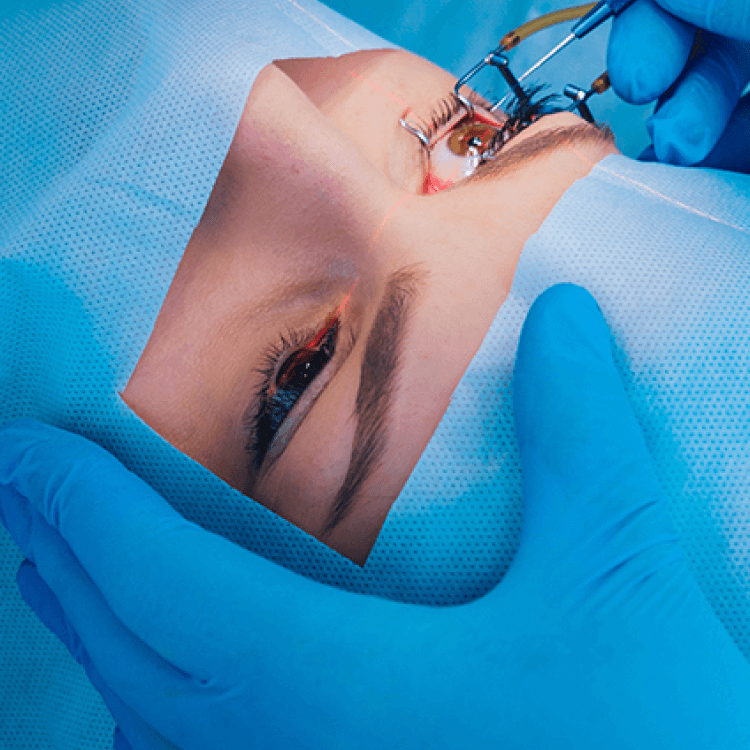
With the contact method, we will keep a lens with some gel over your eyes while you're sitting comfortably.

Retinal laser photocoagulation is an outpatient procedure that uses a focused beam of light to seal abnormal blood vessels, repair retinal tears, and reduce swelling in conditions such as diabetic retinopathy and macular edema. Since retinal conditions can progress silently, timely treatment is critical in protecting and preserving long-term vision.
Retinal laser photocoagulation defines an accurate eye treatment which uses regulated laser power to create retinal burns through its execution. The burns serve two functions which include sealing off blood vessel leaks and preventing the growth of abnormal blood vessels and securing areas which experience retinal thinning and tears.
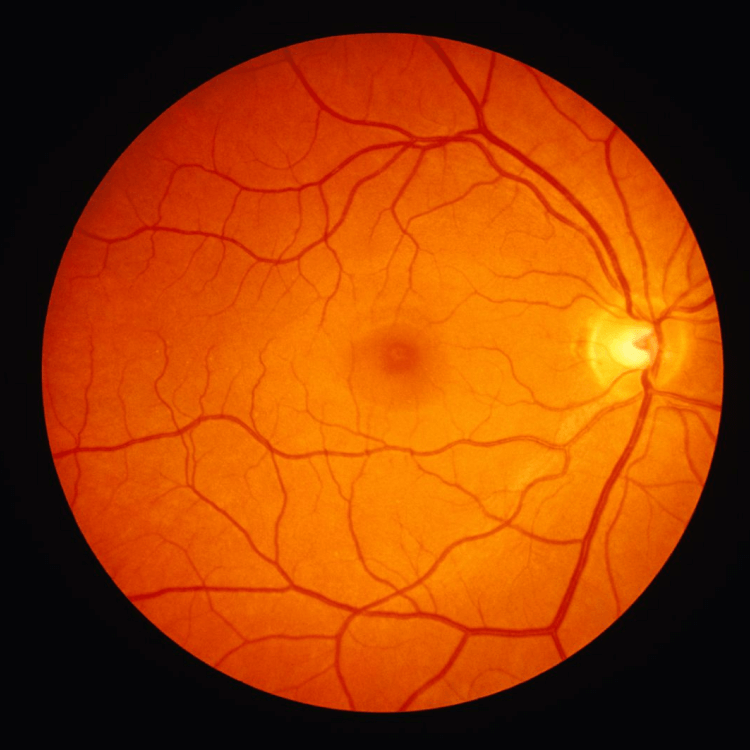
The retina functions as the light-sensitive layer found at the rear section of the human eye. Damage or disease affects this structure which leads to visual impairment through blurred vision and distorted sight and partial vision loss. The procedure of retinal laser photocoagulation establishes retinal stability which protects patients from experiencing additional vision problems. The treatment will prevent disease development but it does not guarantee recovery of previously lost vision.
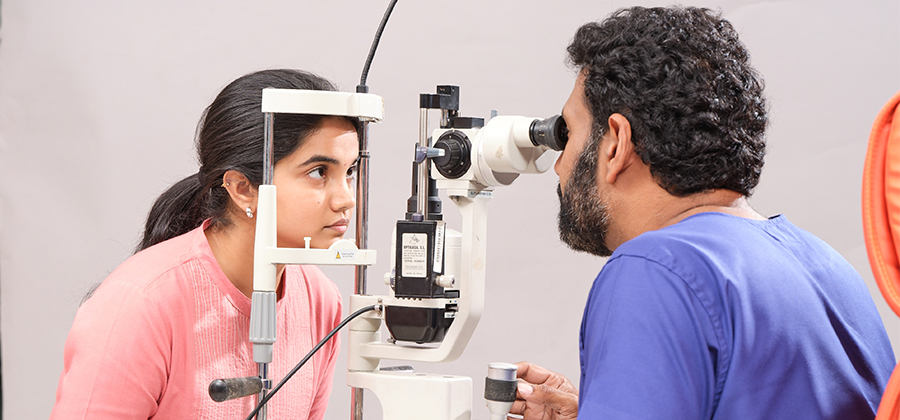
Clinics serve as the standard location where the procedure takes place. The ophthalmologist uses eye drops to dilate the pupils before applying a contact lens which enables him to direct the laser beam onto the eye. The laser system targets specific sites on the retina for treatment purposes. The duration of the treatment process ranges from 10 to 30 minutes because it depends on the specific medical issue that requires evaluation.
Most patients return home the same day. Patients experience short recovery periods because the procedure requires no surgical incisions. Patients will experience temporary mild discomfort which includes light sensitivity.
There are different types of retinal laser photocoagulation, depending on the condition and severity of the retinal problem.
The cost of retinal laser photocoagulation in India can vary based on several factors, including: Type of laser treatment required The number of sittings needed The severity of the retinal condition The diagnostic tests involved The location of the eye care centre. The treatment duration differs between patients because some need only one session while others require extended multiple sessions. It is advisable to discuss the complete cost breakdown, including consultation, investigations, and follow-up visits, before proceeding. Health insurance may cover retinal laser photocoagulation if it is medically indicated. Patients need to verify their insurance coverage with their provider to understand which documents they must submit.
The process of recovering from retinal laser photocoagulation treatment usually proceeds without complications. The procedure requires no invasive techniques which results in the absence of both stitches and bandages.
The dilating drops which you receive during the operation will cause your vision to become blurry right after the operation. The effects of this condition will show improvement through the next several hours. Some patients experience head pain which leads to discomfort and light sensitivity. The symptoms will typically resolve after one or two days.
Your doctor will provide you with anti-inflammatory eye drops and antibiotic eye drops to control infection and decrease swelling. It is critical to follow the prescribed method of using these eye drops.
Most patients can return to their normal activities on the following day but they must refrain from doing intense physical work for a brief time.
After retinal laser photocoagulation, it is normal to experience:
Some people experience mild side vision loss after they undergo panretinal photocoagulation treatment. Night vision may also be mildly affected. The main purpose of retinal laser photocoagulation is to prevent further damage. The stage of the disease and the timing of treatment determine the potential for vision improvement. The doctor requires patients to attend regular follow-up appointments because these visits help assess their retinal condition and find any new developments.
People should contact their doctor without delay when they experience sudden vision loss together with severe eye pain and flashing lights and a curtain-like shadow effect in their visual field.
Proper care after retinal laser photocoagulation supports better healing and outcomes. The following guidelines need to be followed:
All scheduled follow-up appointments need to be attended by the patient. People with diabetes or high blood pressure need to control their medical conditions through proper diabetes and high blood pressure management. Keeping blood sugar and blood pressure under control helps protect your retina and reduces the risk of further complications.
Before our experts start with the laser procedure, we apply some topical anaesthesia to keep you comfortable. Don’t worry; we’ll also use eye drops to minimise any discomfort during the procedure. It’s usually pretty quick, taking anywhere from 5 to 20 minutes, depending on what we’re treating and your specific condition.
There are 2 types of Retinal Laser Photocoagulation.
With the contact method, we will keep a lens with some gel over your eyes while you're sitting comfortably.
In the non-contact approach, you'll be lying down, and we'll deliver the laser therapy accordingly. Occasionally, we might apply a little pressure around your eyes with a handheld tool to ensure everything goes smoothly.
Through its use of laser energy retinal laser photocoagulation operates as a medical procedure which treats particular retinal conditions. The procedure functions to close off blood vessels which leak or to secure retinal tears.
During the procedure most patients experience only mild discomfort which feels like a pricking sensation. The medical staff applies numbing drops to decrease the patient’s discomfort.
The treatment usually takes between 10 and 30 minutes. The duration requires assessment of treatment needs which determines which procedures need to be performed.
The primary goal of treatment exists to protect patients from experiencing additional vision impairment. Patients will see different results because their conditions show distinctive patterns of improvement.
Some conditions require only one session, while others may need multiple sittings. The doctor will determine your treatment plan by examining your retinal results.
Yes, retinal laser photocoagulation is usually done as an outpatient procedure. You can return home the same day.
Possible side effects include temporary blurred vision, light sensitivity, or mild discomfort. Serious complications are rare but should be reported immediately.
Most daily activities can be resumed the next day. Strenuous activities may need to be avoided for a few days.
Yes, it is commonly used to treat diabetic retinopathy. Early treatment can help prevent severe vision problems.
Yes, regular follow-ups are important to monitor healing and check for new retinal changes.
Vitrectomy is an advanced surgery done by our specialists to remove the gel-like substance called ‘vitreous humour’ from inside your eye. This helps them get better access to your retina.
Retinal laser photocoagulation is a treatment we use at Vasan to address several retina-related issues such as diabetic retinopathy, retinal vein occlusion, and others.
The retina is the light-sensitive layer of tissue at the back of your eyeball. At Vasan, we employ advanced techniques to diagnose diseases that affect your retina.