
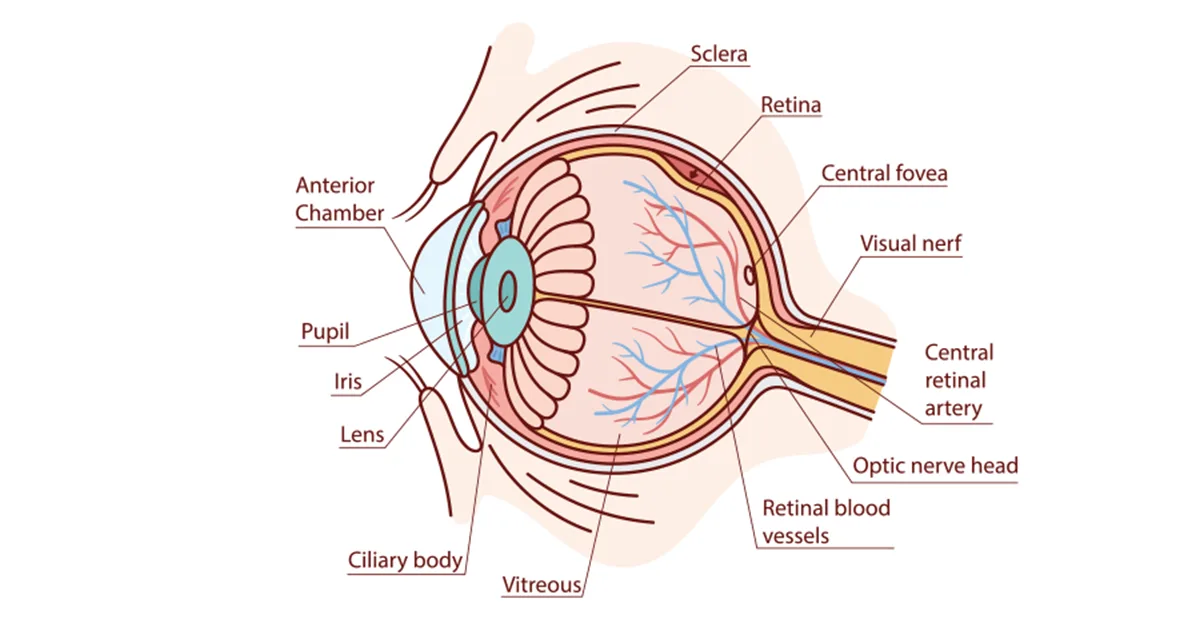
The eye condition of retinal detachment needs immediate and accurate medical treatment, which helps to maintain visual abilities. The surgical method of pneumatic retinopexy functions as a less invasive treatment option, which doctors use on specific patients needing eye care. The procedure aims to reattach the retina by creating a seal at the tear site and returning the retina to its normal position.
The blog provides an overview of the pneumatic retinopexy procedure, which includes information about its medical applications, treatment advantages, patient recovery process, and crucial elements of pneumatic retinopexy post operative care. The document presents vital information which patients need to understand before deciding to proceed with this retina service.
Understanding Pneumatic Retinopexy
The procedure called Pneumatic retinopexy provides a non-surgical method to correct particular kinds of retinal detachment. The method involves injecting a gas bubble into the vitreous cavity of the eye. The gas bubble creates a gentle force which moves the detached retina back into its proper position.
The ophthalmologist uses laser photocoagulation or cryotherapy to seal the retinal tear after the retina reaches its correct position. The gas bubble in the eye will dissolve at a natural rate, which the body will replace with internal fluids.
Eye Doctors usually recommend pneumatic retinopexy surgery for patients who have simple retinal detachments, which include tears that occur in the upper retinal region.
When is Pneumatic Retinopexy Recommended?
This method cannot be applied to every type of retinal detachment. The pneumatic retinopexy procedure operates under specific conditions:
- Retinal tears located in the upper retina
- Limited or localized detachment
- Absence of multiple or complex retinal breaks
- Patients who can maintain required head positioning after the procedure
Only through complete retinal examination can doctors assess whether pneumatic retinopexy serves as a suitable treatment.
Pneumatic Retinopexy Procedure: Step-by-Step
The pneumatic retinopexy procedure can take place in an outpatient facility because it does not require patients to undergo general anesthesia. The procedure requires these steps:
Pre-Procedure Preparation
The eye receives numbing treatment through local anesthetic application. The doctors use dilating drops on patients, which enable them to see their retinas.
Gas Bubble Injection
The medical staff injects a small gas bubble into the vitreous cavity. The bubble functions as an internal tamponade, which applies pressure to the retinal tear.
Retinal Seal Formation
The retinal break receives treatment through laser or cryotherapy application. The procedure establishes an essential barrier which prevents fluid from invading and producing additional detachment.
Head Positioning
The patient must keep their head in a certain way, which allows the gas bubble to touch the retinal tear.
The entire pneumatic retinopexy surgery process takes less time than one hour because it can be finished in under one hour.
Also Read: A Guide to Retina Treatments
Benefits of Pneumatic Retinopexy
The increasing popularity of pneumatic retinopexy results from its multiple benefits, which include:
- The procedure uses a less invasive method of treatment
- Retinal surgery results in shorter recovery times when compared to other surgical procedures
- The procedure does not require any surgical cuts
- The procedure takes place without requiring patients to stay overnight
- The procedure results in less pain and shorter recovery time for patients
The method provides eligible patients with an effective treatment solution that leads to successful recovery results.
Pneumatic Retinopexy Post Operative Care
Proper pneumatic retinopexy post operative care is essential for successful outcomes. Compliance with medical instructions significantly impacts healing and visual recovery.
Key Post-Operative Guidelines
- Head Positioning: The head position must be maintained according to medical orders because this requirement exists. The gas bubble needs to maintain its position because it exists to support retinal function.
- Activity Restrictions: Patients should refrain from performing strenuous activities, together with bending down and lifting heavy objects.
- Air Travel Restrictions: Patients need to avoid air travel until their gas bubble completely disappears because pressure changes during air travel will harm their eyesight.
- Medication Adherence: The prescribed eye drops must be used to protect against infection while decreasing eye inflammation.
- Follow-Up Visits: The process of regular monitoring allows doctors to track retinal reattachment progress while spotting possible complications at an early stage.
The implementation of pneumatic retinopexy post operative care guidelines leads to decreased risks while aiding patients to achieve their best possible results.
Pneumatic Retinopexy Complications
The study of potential pneumatic retinopexy complications needs to be understood for its importance.
Possible Complications
- Recurrence of retinal detachment
- Formation of new retinal tears
- Increased intraocular pressure
- Infection or inflammation
- Incomplete reattachment requiring additional surgery
The process of pneumatic retinopexy complications needs immediate detection followed by management because it can lead to permanent vision loss.
Who Should Avoid Pneumatic Retinopexy?
The pneumatic retinopexy procedure may not be suitable in the following cases:
- Multiple or large retinal tears
- Inferior retinal detachment
- Advanced proliferative vitreoretinopathy
- Inability to maintain required head positioning
The medical situation requires doctors to recommend other surgical treatment methods.
Book an Appointment for Your Routine Renita Checkup
Must Know Before Undergoing Pneumatic Retinopexy
Patients should understand crucial elements of their condition before they proceed with pneumatic retinopexy surgery. The following three points demonstrate essential information about the procedure because it needs to be done early, because patients must follow all post-surgery instructions, because doctors need to perform follow-up exams to assess patient recovery, and because patients should expect temporary vision loss during their healing process.
The two points provide essential information which helps people make informed choices that lead to successful medical care.
Why Timely Treatment Matters?
The vision loss which results from retinal detachment treatment delays becomes irreversible. The success of pneumatic retinopexy treatment depends on the timing of medical intervention for the condition.
Immediate diagnosis together with prompt treatment initiation increases the probability of vision restoration while it decreases the risk of developing complications.
Choosing the Right Eye Care Provider
The selection of reliable eye hospitals stand as an essential requirement for patients who need to receive-
- Highly experienced specialists
- Advanced diagnostic and treatment infrastructure
- Decades of excellence in eye care
- Affordable and accessible treatment options
The pneumatic retinopexy procedure achieves accurate results through high-quality care, which leads to superior recovery results.
Cost and Accessibility
The cost of pneumatic retinopexy surgery is determined by medical requirements and the surgical team’s expertise level in their field. Many providers offer:
- Affordable treatment plans
- Leading low-price options for eligible patients
- Discount offer packages for advanced care
Patients should contact the facility to obtain precise cost information and details about available services.
Conclusion
Medical professionals need to address retinal detachment because it represents a critical medical emergency. Don’t miss early warning signs that include flashes, floaters, and sudden vision loss.
The process of evaluating and treating patients with pneumatic retinopexy needs to start right away because it helps protect their vision while stopping further medical issues. Act now to ensure the best possible outcome.
Frequently Asked Questions (FAQs)
What is pneumatic retinopexy?
Pneumatic retinal detachment surgeries use gas to interrupt fluid between the retina and choroid layer of the eye with an object inserted through the pupil to reposition the retina.
How long does it take for the procedure to be completed?
The average duration for this type of procedure is generally completed within minutes while the outpatient patients remain conscious. The majority of patients were able to receive their pneumatic retinopexy on the same day.
What do I receive in terms of post-operative care following my pneumatic retinopexy?
Post-operative care following pneumatic retinopexy will consist of maintaining head positioning, avoiding heavy labor, utilizing prescribed medications, and follow-up appointments as scheduled.
Is surgery painful?
Because surgery occurs under local anaesthetic, most people do not experience significant pain.
When can I resume my normal daily activities after the procedure?
Recovery time can differ from person to person, as some recover faster than others; however, most people can resume all normal daily activities with their physician’s approval within two to three weeks of their pneumatic retinopexy procedure.
Treatments we Offer: Eye Treatments | Cataract Surgery | LASIK Eye Surgery | Squint Eye Treatment | EPI LASIK | Corneal Services | Refractive Surgery | Oculoplasty Surgery | Dry Eye Treatment | Contoura Vision Surgery | Anti VEGF Agents Treatment | Photorefractive Keratectomy | Vitrectomy Surgery | Epi Contoura Eye Surgery | Customised LASIK Surgery | Retinal Laser Photocoagulation Treatment | Implantable Collamer Lens |Cataract Surgery in Bangalore | Cataract Surgery in Hyderabad | Cataract Surgery Chennai | LASIK Eye Surgery in Hyderabad | LASIK Eye Surgery in Bangalore | LASIK Eye Surgery in Chennai | Retina Services in Hyderabad | Retina Services Chennai | Squint Eye Treatment in Bangalore | Squint Eye Treatment in Hyderabad | Squint Eye Treatment in Chennai | Glaucoma Treatment in Bangalore | Glaucoma Treatment in Chennai | Glaucoma Treatment in Hyderabad
Eye Conditions We Treat: Glaucoma Treatment | Orbital Trauma | Macular Hole | Retinopathy of Prematurity | Uveitis | Traumatic Treatment | Cataract Diseases | Posterior Subcapsular Cataract | Rosette Cataract Surgery | Squint Eye Disease