01

Glaucoma is a group of eye conditions that affect the optic nerve after elevated eye pressure which may cause blindness.
Glaucoma happens to be one of those rare diseases that has no cure yet. However, with consistent care and regular treatments and surgical intervention, it could be kept in control.
Glaucoma is a progressive eye condition that damages the optic nerve, often developing silently without noticeable symptoms until significant vision loss has already occurred. Early detection through routine eye examinations is the most effective way to prevent irreversible damage, as increased eye pressure and nerve deterioration can be identified and managed before they affect quality of life.
Glaucoma is not a single condition but a group of eye disorders characterised by damage to the optic nerve, mostly associated with elevated pressure within the eye. The ultimate goal of glaucoma treatment is to lower intraocular pressure and to protect the optic nerve from further damage.
In India, the first step in managing glaucoma is early detection. Those at risk of developing glaucoma include individuals who have a family history, are aged 40 years and older, or have diabetes and high eye pressure; therefore, they should have regular eye examinations. Tests used in diagnosing glaucoma include eye pressure, imaging of the optic nerve, and examination of the visual fields.
As soon as glaucoma is detected, treatment can be administered, starting with medicated eye drops. These eye drops are aimed at reducing the build-up of fluids in the eye. These drops must be used consistently, as this will have a significant effect on the outcome of treatment as well as the overall outcome of treatment.
Patients who do not achieve adequate control of their intraocular pressure with medicine alone can consider other options, such as laser treatment for glaucoma or, eventually, glaucoma surgery.
Glaucoma treatment in India encompasses medical, laser, and surgical interventions. Each modality has its own indications, advantages, and expected outcomes.
Medical therapy typically starts with prescribed eye drops. These drug types may reduce the production of internal fluid within the eye, or they may increase the drainage of the internal eye fluids. The key to maintaining a target pressure in your eye is to consistently and accurately use these medications.
Laser treatment for glaucoma is a safe, effective, and low-risk way to help control eye pressure when medication or drops alone do not provide sufficient relief. Common laser procedures include:
When both medications and laser therapies do not achieve the target eye pressure, glaucoma surgery may be recommended. Surgical options consist of:
Modern developments in microsurgical instruments and techniques have improved the safety and efficacy of glaucoma eye surgery in India. Selection of an appropriate surgical approach depends on multiple factors, including the specific type of glaucoma and patient characteristics.
The cost is an important aspect in the decision to undergo treatment. The glaucoma surgery cost in India depends on several factors. The following are the clear factors that can be considered by the patients.
Cost Factors Explained
| Factor | Brief Explanation |
| Type of Procedure | The cost of glaucoma surgery also depends on whether the patient needs conventional surgery, surgery with implants, or glaucoma laser surgery. |
| City and Location | The glaucoma surgery cost in India may differ between metropolitan cities like Chennai and Hyderabad and smaller cities due to operational and infrastructure differences. |
| Technology Used | The glaucoma laser surgery total price will vary depending on the advanced equipment or lasers used in this advanced microsurgery. |
| Surgeon Expertise | The ophthalmic surgeon’s education and experience will also affect the price of the total cost of the surgery as well. |
| Pre Operative Tests | Examples of some diagnostic tests that may be included in the calculation of total estimated costs of glaucoma surgery in India may include: visual field tests, optic nerve imaging, and measuring intraocular pressure. |
| Post Operative Care | The overall cost for treating glaucoma would include any follow-up appointments and/or medications used to manage or monitor the patient after the surgery. |
| Insurance Coverage | Insurance coverage may reduce the patient’s burden of expense. Hospital teams assist with documentation and claims processing. |
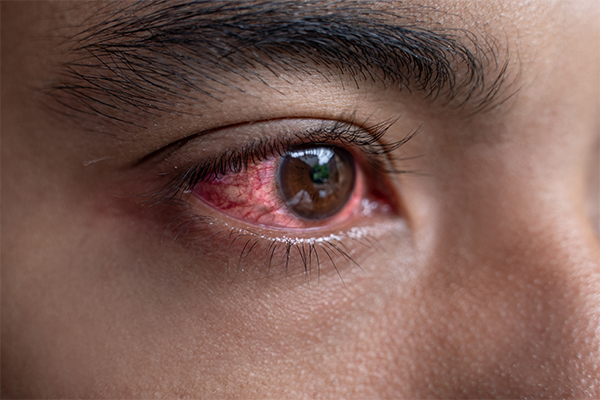
The post-operative care of the eye is vital to the success of the surgery and the overall outcome of the procedure. Although most eye surgeries are done on an outpatient basis, there is still a period of healing that needs to occur. During the immediate period following glaucoma eye surgery, patients may experience some irritation or pressure in the eye. In addition, vision may be blurred, and the eye may be red.
However, eye doctors have recommended that patients use eye drops that are specifically designed to combat infection and eye pressure while at the same time controlling the inflammatory process that can occur in the eye.
In addition, patients who have undergone glaucoma laser eye surgery will experience a quicker period of healing and can quickly go about their normal activities. However, patients will still have to undergo some level of monitoring to determine whether or not they will require further treatment. The success of glaucoma eye surgery and the overall outcome will depend on the level of compliance with the recommended eye care and the schedules that are set to determine the success of the procedure and the eye as a whole.
Patients can have the confidence required for treatment when they are aware of what is going on after the surgery. After undergoing laser surgery, the intraocular pressure is expected to drop in the days and weeks after the surgery. Some patients might still have to take eye drops, but at a reduced dosage.
Following glaucoma eye surgery, the results are monitored regularly. Although surgery can bring eye pressure under control, glaucoma itself cannot be cured. It requires observation and possibly adjustment of treatment.
Commonly experienced temporary side effects from surgery include mild pain, light sensitivity, and tears. The symptoms generally become less noticeable within 24 hours after surgery. Rarely do serious complications develop when eye surgeons are well-trained and when technology is used effectively.
Proper post-operative care after glaucoma treatment will improve the patient’s recovery outcome significantly. The patient is asked to:
General health is also crucial for recovery. Controlling other health conditions, such as diabetes and hypertension, helps contribute to overall eye health.
The cost of glaucoma surgery is of primary concern to most patients before undergoing treatment. However, it is also important to note that attention should be given to the skill of the surgeon and the care given to the patients after the procedure. This is a vital aspect in the success of the treatment in managing glaucoma.
Glaucoma symptoms often go unnoticed in the early stages, that’s why it’s called the ‘Silent thief of sight’. Here are signs you should not ignore:




There are several stages of Glaucoma, and treatment depends upon the severity of the disease. At Vasan, we have advanced solutions for each stage and choose the best for you.
Glaucoma eye drops lower the amount of fluid production in the eye or helping fluid to exit the eye, or both. Sometimes life time eye drops are needed.
Oral medication helps protect the person’s eyesight in emergency conditions. They reduce the volume of fluid that the eye produces, rapidly lowering the pressure.
Glaucoma valve or 'Shunt' is an effective surgical technique to reduce intraocular pressure (IOP) in patients affected with Glaucoma.
The drainage tube is a specialised device that allows fluid from inside the eye to bypass the eye’s drainage pathway to lower eye pressure.
Glaucoma is a group of eye disorders characterised by optic nerve damage, usually due to elevated eye pressure. Glaucoma treatment is necessary to lower pressure and prevent further vision loss.
Not always. Many patients respond well to medications or laser treatment for glaucoma. Surgery is recommended when other options do not adequately control eye pressure.
Glaucoma laser surgery is typically performed quickly, often in a matter of minutes, and usually on an outpatient basis.
The glaucoma surgery cost in India varies based on procedure type, hospital facility, and location. Vasan Eye Care provides detailed cost estimates during consultation.
No. Glaucoma eye surgery is performed under anaesthesia. Patients may experience mild discomfort after the procedure, which is manageable with medication.
Most patients resume routine activities within one to two weeks after glaucoma surgery, depending on individual healing and medical advice.
Yes. Glaucoma treatment controls eye pressure but does not remove the need for corrective lenses if required.
The glaucoma laser surgery cost depends on the laser technology used, the complexity of the case, and facility costs.
Glaucoma cannot be cured, but effective glaucoma treatment can control its progression and protect remaining vision.
Patients are typically advised to attend follow-ups within a few weeks after laser treatment for glaucoma and then periodically as needed.
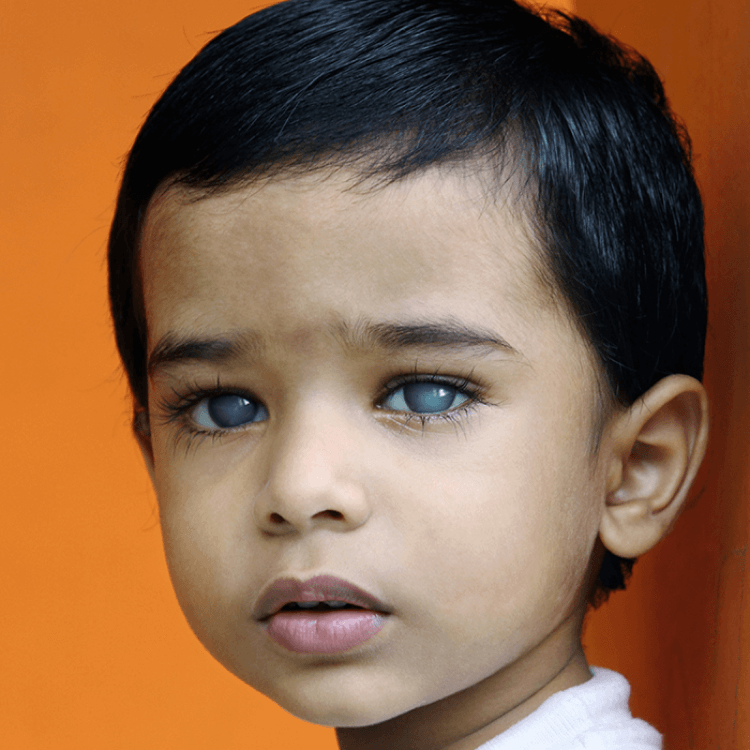
Congenital Glaucoma is a rare genetic eye condition that affects children at birth causing abnormally high eye pressure.