

Photorefractive Keratectomy (PRK) Surgery
Photorefractive Keratectomy (PRK) is a laser-based vision correction surgery that reshapes the cornea using an excimer laser to treat nearsightedness, farsightedness, and astigmatism. It is an ideal option for patients with thin corneas or those unsuitable for LASIK, offering improved vision with reduced dependence on glasses or contact lenses.
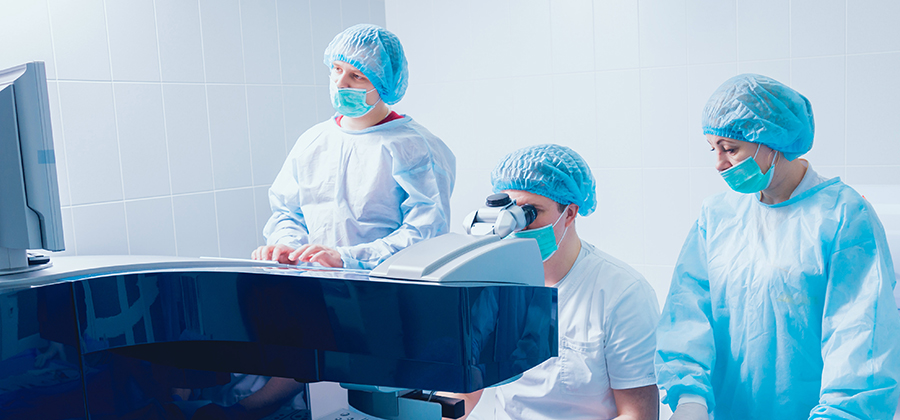
Photorefractive Keratectomy (PRK) Surgery in India
Photorefractive keratectomy (PRK) functions as a refractive surgical procedure which corrects myopia (nearsightedness) hyperopia (farsightedness) and astigmatism. The procedure uses a specialised laser to reshape the cornea so that light focuses accurately inside the eye. The Vasan Eye Care institution performs this procedure.
PRK differs from LASIK because it does not require making a flap in the cornea. The procedure begins with a gentle removal of the corneal epithelium which serves as the outermost corneal layer before the laser procedure begins to reshape the underlying corneal tissue. The epithelium layer regrows throughout the day period while the eye completes its healing process.
The surgical process requires only a brief duration to complete. The procedure needs approximately 5 to 15 minutes per eye because the laser operation continues for just a few seconds. The procedure uses numbing eye drops which provide eye comfort during the entire operation.
PRK is often considered for people who:
- Have thin or irregular corneas
- Cannot undergo procedures that involve a corneal flap
- Want to reduce dependence on glasses or contact lenses
- Have certain professions or lifestyles which require them to protect their eyes
The flap-free procedure provides safe treatment options for sports players and aviators and those who participate in activities which present eye injury risks.
The healing period for PRK lasts longer than LASIK because the corneal surface needs time to grow back despite both procedures aiming for the same visual results.
Types of Photorefractive Keratectomy (PRK) Surgery Available in India
PRK has developed through its history until current practices have multiple technique variations which refractive surgery centers use. The methods all share one fundamental mechanism which reshapes the cornea through different techniques of preparing the corneal surface.
- Conventional PRK
The traditional form of PRK exists as the basic version of this eye treatment. The surgeon uses this technique to perform corneal epithelium removal before the laser treatment begins to reshape corneal tissue. The eye receives protection during recovery through the application of a temporary bandage contact lens, which shields the eye surface during the healing process. - LASEK (Laser-Assisted Sub-Epithelial Keratectomy)
LASEK operates as a surgical procedure which uses a distinct solution to detach the topmost eye layer that doctors will extract from the patient’s eye. The outer layer can be reattached after the laser procedure completes its reshaping work on the cornea. - Epi-LASIK
The procedure requires a special tool which creates space between the eye’s epithelial layer and its corneal layer so that laser treatment can proceed. The technique helps some patients because it decreases their post-surgery discomfort.
The different preparation techniques lead to different outcomes but both methods aim to accomplish the same objective of reshaping the cornea to enable proper light transmission to the retina, which results in better vision. Surgeons select treatment methods based on three key elements, which include corneal thickness, eye health status, and specific type of refractive error present.
Photorefractive Keratectomy (PRK) Surgery Cost in India
The photorefractive keratectomy cost in India varies according to multiple elements, which include the hospital, the technology used, and the specific eye condition of the patient. The price of PRK surgery in India generally falls between ₹35,000 to ₹75,000 for both eyes.
The total expense of the operation depends on multiple aspects.
- Pre-operative eye examinations
- Type of laser technology used
- Diagnostic tests required before surgery
- Post-surgery medicines and follow-up visits
- The complexity of the refractive error
The ultimate expense for procedures needs to wait until the eye examination process reaches its complete assessment stage. The doctors evaluate corneal thickness and eye pressure together with total eye health to establish PRK eligibility.
Photorefractive Keratectomy (PRK) Surgery Post-Procedure Care and Recovery
Recovery after photorefractive keratectomy (PRK) takes place gradually as the corneal surface heals. Since the outer layer of the cornea needs to regenerate, the healing process may take longer than some other refractive procedures.
The healing process for most patients starts after three to four days because they begin to see parts of their body that they lost during their injury. The body may experience mild discomfort and produce tears while it shows sensitivity to bright lights during this period.
Patients begin to see vision improvement after one week although they still experience some blurriness during the beginning of the recovery process. Patients will achieve better vision results during the upcoming weeks.
- Patients begin to show recovery signs after a few days
- Patients experience ongoing vision improvements which extend across multiple weeks
- Some people need between three to six months before their vision achieves full stabilization
Doctors use regular follow-up visits to observe the progress of healing while they check whether the patient’s eyes are healing according to the expected pattern.+
What to Expect After Photorefractive Keratectomy (PRK) Surgery?
Patients need to understand their recovery timeline because it helps them prepare for their upcoming healing process.
After the Operation
There should be a slight discomfort regulation afterwards-the eye will not have a sense of dryness or any leg, etc. This irritation can persist or can disappear within some hours. Eye drops or ointments are mostly recommended by the specialists along with a bandage contact lens to safeguard the cornea.
- First Few Days
The corneal surface starts to regenerate during the first three to four days. Some patients experience:- Light sensitivity
- Mild burning or irritation
- Blurred vision
The symptoms show improvement because the epithelial tissue progresses toward complete healing.
- First Few Weeks
The reading shows that vision will start to improve during the upcoming weeks. The doctor will give permission to start reading and using screens and doing other activities when he confirms that the eye has entered the healing stage. - LongTermVisionResults
The experts developed PRK as a permanent solution which corrects refractive errors. The natural process of aging will lead to people developing presbyopia which is an age-related vision change that occurs after they reach their senior years.
Post-Operative Care Tips
The recommended aftercare routine must be followed because it helps patients recover from PRK surgery. Doctors provide complete instructions which depend on the specific needs of each patient.
Patients should follow these standard care recommendations:
- Use prescribed eye drops regularly The eye drops work to stop infections from happening while they decrease eye swelling and provide eye comfort.
- Avoid rubbing the eyes. Rubbing the eyes can disrupt the healing process of the corneal surface.
- Protect the eyes from bright light The use of sunglasses provides a solution to light sensitivity problems during the initial recovery phase.
- Limit strenuous physical activity Patients should stay away from intense workouts and swimming activities for several weeks because these activities increase their chances of developing irritation or infections.
- Avoid makeup near the eyes initially – The use of cosmetic products around the eyes causes irritation to the healing cornea.
- Attend follow-up appointments – Doctors use regular check-ups to assess patient recovery while they handle any emerging problems.
The guidelines require patients to follow them precisely because this will help their bodies heal naturally and improve their vision results.
Procedures at Vasan
How do our experts perform PRK?
First, we use anaesthetic drops to numb your eyes for comfort. Then, the surgeon carefully removes the top layer of your cornea called the epithelium. Next, a precise laser reshapes your cornea to improve your vision. Finally, a soft contact lens is placed on your eye to aid healing. Your doctor will remove it in about 4 to 6 days.
However, you should not get PRK if:
- You are pregnant.
- You have advanced glaucoma.
- You have a cataract or any cornea
injury/disease. - You experience unstable refractive errors.





FAQs
The laser vision correction procedure of photorefractive keratectomy (PRK) uses laser technology to reshape the cornea which enables better retinal light focusing. The technique corrects nearsightedness and farsightedness and astigmatism.
The complete process requires approximately 5 to 15 minutes for each eye. The duration of the laser procedure consists of a few seconds.
The procedure uses numbing eye drops which prevent patients from experiencing pain during that time. Patients may experience mild discomfort or irritation which lasts for several days after the procedure.
People with stable vision and healthy eyes and specific corneal conditions qualify for PRK treatment. An eye exam provides the necessary information to assess patient eligibility for the procedure.
The body begins its healing process during the initial three days after surgery. The first three days after surgery mark the beginning of the healing process which continues until vision reaches its final state which can take up to three months.
PRK treatment effectively corrects myopia and hyperopia and astigmatism. The treatment assists patients in decreasing their need for eyewear which includes both glasses and contact lenses.
PRK and LASIK employ different surgical methods because PRK uses a different surgical method which does not require the creation of a corneal flap. The two procedures need different recovery times because of their different methods of operation.
Employees with eye injuries typically return to their normal work functions between two and three days because their eyes need time to heal. Your doctor will assess your recovery progress to determine the next steps.
Most patients achieve lasting vision improvement through PRK even though they will experience age-related vision changes.
The cost of the procedure depends on three main factors which include the technology used and the required diagnostic tests and post-operative treatment. A comprehensive eye assessment establishes the total procedure expense.
Treatment
Other Treatments
Epi-Contoura
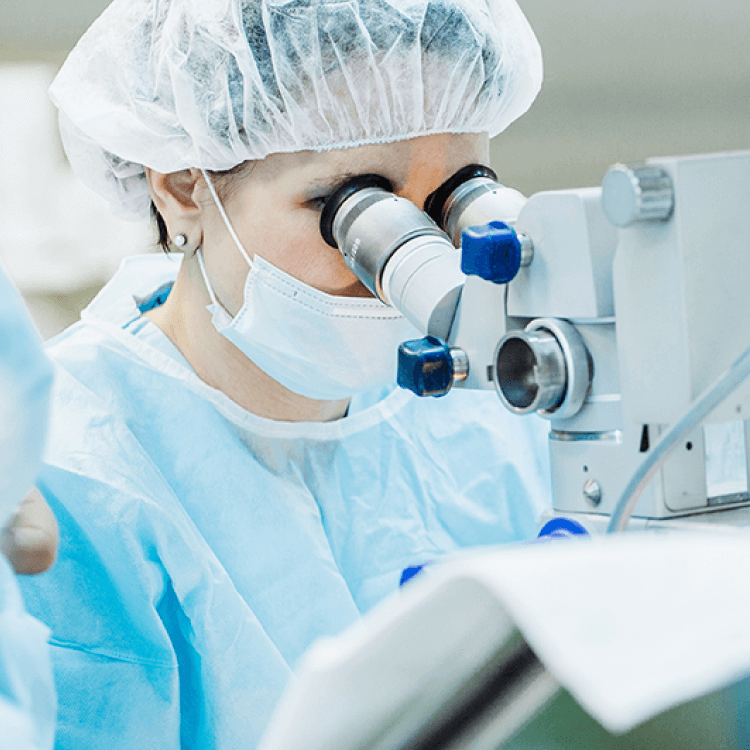
The newest advancement in laser vision correction for eliminating the need for glasses is Epi-Contoura Streamlight.
Dry Eye Treatment
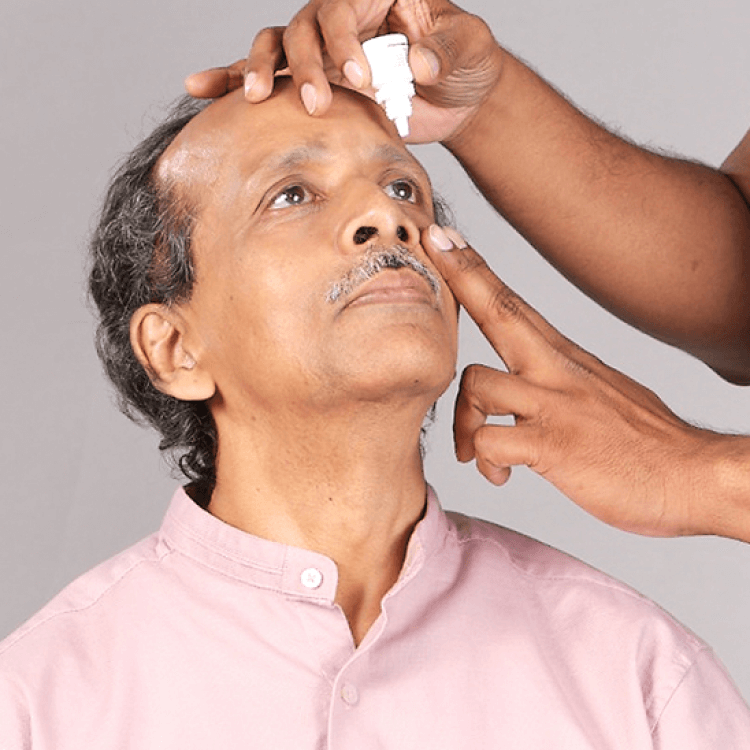
Dry eye syndrome happens when there's a change in the quality or amount of the three layers that make up your tear film.

Customised LASIK
Customised LASIK is an advanced procedure that helps you see perfectly without glasses or contact lenses.