Anti-VEGF Agents
Overproduction of a protein called VEGF can cause abnormal blood vessels to grow in your eye and harm your vision. Anti-VEGF medicine blocks VEGF, slowing the growth of these blood vessels.

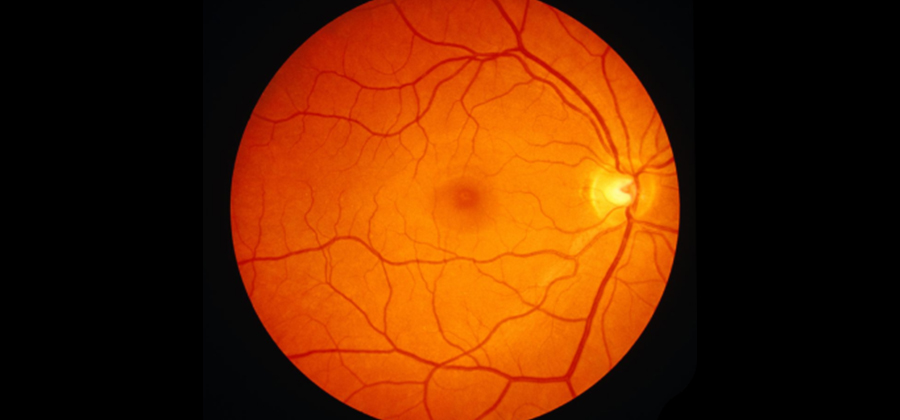
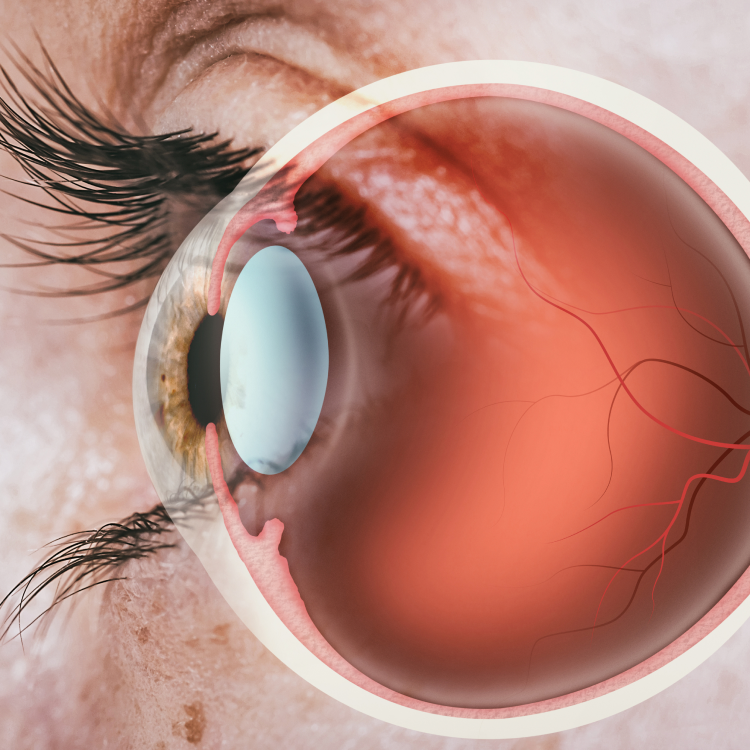
The retina is a thin, light-sensitive layer of tissue located at the back of the eye, responsible for capturing images and sending visual signals to the brain. Any damage or disease affecting the retina can lead to serious vision impairment or even permanent blindness.

The retina is a thin, light-sensitive layer of tissue located at the back of the eye, responsible for capturing images and sending visual signals to the brain. Any damage or disease affecting the retina can lead to serious vision impairment or even permanent blindness.
The retina functions as a light-sensitive tissue which covers the posterior part of the eye as a thin layer. The retina functions as the primary mechanism which enables people to see. The retina receives incoming light through the eye and translates it into electrical signals which travel through the optic nerve to reach the brain. The brain processes these electrical signals to create visual perceptions.
The macula provides the retinal center with its ability to produce clear and precise vision. The macula functions as an essential component for activities which include reading, writing, phone usage, and face recognition.
Vision will become impaired when retinal damage occurs from either infection or diabetes or age-related changes or injury. In certain instances, retinal diseases which remain untreated will result in lasting vision loss. The case demonstrates why people need fast retinal disease identification and correct disease treatment.
Retinal problems do not always cause pain. The symptoms most often occur through a slow process which people fail to notice until their vision begins to show distinct problems. The following list of symptoms requires you to seek professional evaluation:
People whose medical conditions include diabetes and high blood pressure together with those who have family members suffering from retinal eye disease face increased risk. The recommended practice of regular eye examinations becomes essential for people who reach 40 years of age or who experience systemic health issues.
The early discovery of retinal disease enables doctors to begin appropriate treatment which protects remaining vision while delaying disease advancement.
The Vasan Eye Care facility uses established clinical protocols to treat various retinal disorders. The medical facility provides treatment for various common medical conditions which include:
Doctors require different treatment methods for each retinal eye disease because different factors impact their severity and age and health conditions.
Physicians select treatments for retinal diseases by evaluating the particular disease and its current stage of development. Vasan Eye Care conducts complete retinal assessments to determine treatment strategies for their patients.
The field of retina care requires three fundamental elements which include exact skills and required medical expertise and dedicated work time. Vasan Eye Care delivers retinal treatment through its process of conducting full patient evaluations which result in tailored therapeutic solutions.
The clinical team includes ophthalmologists who use established treatment protocols to treat patients with retinal eye disease. The healthcare professionals employ modern diagnostic tools to conduct accurate patient assessments.
The care process requires patient education as a fundamental element. Patients receive guidance about their follow-up appointments together with necessary lifestyle changes and methods to track their diabetes and hypertension conditions.
Overproduction of a protein called VEGF can cause abnormal blood vessels to grow in your eye and harm your vision. Anti-VEGF medicine blocks VEGF, slowing the growth of these blood vessels.
Intravitreal implants are tiny devices injected into the back of your eye to help with retinal diseases. This procedure is used to treat various retinal conditions, including age-related macular degeneration (AMD), diabetic retinopathy, retinal vein occlusion, and other retinal inflammatory diseases.
Scleral buckle surgery is a procedure used to reattach a detached retina. During the surgery, the sclera, the white outer layer of the eye, is gently buckled or folded to bring it closer to the detached retina, aiding in its reattachment. This procedure is a risk-free option for cataract patients and has a quicker recovery time.
Retinal diseases are conditions which damage the retina, which serves as the eye’s light-sensitive membrane located at its rear end. The conditions produce vision problems which make it difficult to see clearly.
Certain retinal eye diseases result in permanent vision damage when patients fail to receive timely medical treatment. Early diagnosis improves the chances of preserving vision.
People with diabetes, high blood pressure, or a family history of eye problems are at higher risk. Age above 40 also increases the likelihood of certain retinal diseases.
Most retinal diseases do not cause pain. Vision changes are usually the first noticeable symptom.
The treatment method depends on the specific condition and its current severity. The appropriate treatment method is determined through the evaluation of eye examination results and imaging test outcomes.
The majority of medical conditions receive treatment through either injection methods or laser treatment. The medical staff will perform surgical procedures only when they are absolutely required.
The time needed for recovery varies according to the specific medical condition and the type of surgical procedure performed. Your doctor will provide specific guidance based on your case.
The combination of maintaining proper blood sugar levels and undergoing routine eye examinations helps to decrease the likelihood of developing the condition. The initiation of retinal disease treatment at an early stage prevents the development of more serious complications.
Retinal injections are commonly performed procedures. They are done under sterile conditions to minimize risk.
People with diabetes or existing retinal eye disease may need regular follow-ups. Others should have routine eye exams as advised by their ophthalmologist.
Various conditions can impact the cornea, potentially causing vision issues. Corneal services is a collective term referring to treatments to fix these issues.