
What is EPI-Lasik Eye Surgery?
EPI-LASIK (Epithelial Laser-Assisted In Situ Keratomileusis) is a bladeless, surface-based laser vision correction procedure that gently separates the thin outer layer of the cornea and reshapes it using an excimer laser to correct refractive errors. It is an ideal option for patients with thin corneas, active lifestyles, or those unsuitable for traditional LASIK, offering a safe and effective path to reduced dependence on glasses or contact lenses.
Lasik Eye Surgery in India
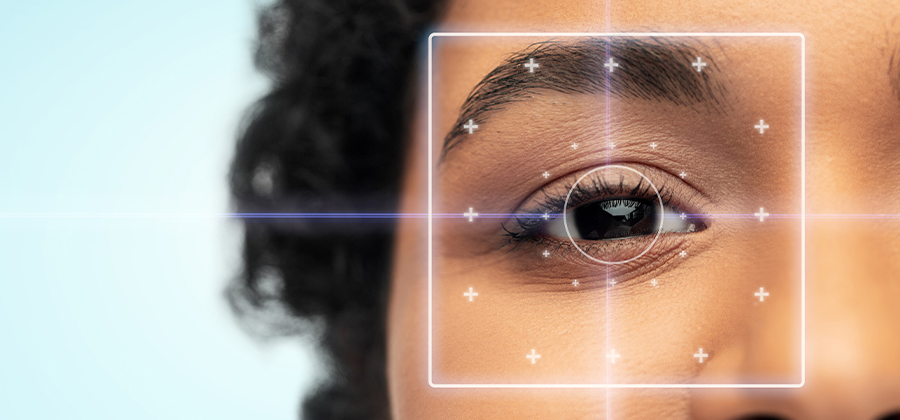
In India, Lasik eye surgery has evolved into a very standard and reliable way to correct vision. Surgeons use a tool called an excimer laser to change how the cornea is shaped, which helps light land exactly where it should on the retina. The medical field here has seen huge growth, with clinics now using the latest diagnostic gear and laser tech.
Every Lasik journey starts with a deep dive into the patient’s eye health. Doctors check everything from the thickness of the cornea to how stable the person’s eye power has been over time. Because this technology is so available now, it has become a popular choice for anyone wanting a life without the hassle of frames.
Types of Lasik Eye Surgery Available in India
India’s eye care hospitals provide several different types of laser correction. While the “classic” Lasik eye surgery is what most people know, there are other versions designed for different eye shapes:
- Standard Lasik: This is the traditional version where a small blade called a microkeratome makes a flap.
- Femto-Lasik: Often called “bladeless,” this uses a special laser to make the corneal flap instead of a blade.
- PRK: This is a surface treatment where the top layer of the eye is removed before the laser starts its work.
- EPI-Lasik: Think of this as a middle ground. During EPI Lasik eye surgery, a tool called an EPIkeratome lifts a very thin sheet of cells. It doesn’t use alcohol or sharp blades like older methods. This keeps the eye’s structure strong, which is why EPI Lasik is such a favorite for people with thin corneas or those who play contact sports.
- SMILE: This is a very tiny, flapless procedure mostly used for correcting nearsightedness.
Lasik Eye Surgery Cost in India
When you start looking into surgery, the price is always a big factor. The Lasik surgery cost isn’t a single flat fee – it changes based on the tech used, how experienced the surgeon is, and even which city the clinic is in. Generally, the Lasik eye surgery cost in India is kept at a level that is fair while still providing high-quality care.
It’s helpful to remember that “premium” versions like SMILE or Femto-Lasik will naturally cost more than the basic ones. For EPI Lasik cost, you’ll usually find it priced somewhere in the middle. You should always ask for a clear list of what the Lasik surgery cost in India includes.
Usually, it covers your first few check-ups and the initial screening. Even if you move from one city to another, the Lasik surgery cost at major hospital chains tends to stay fairly consistent across the country.
Lasik Eye Surgery Post-Surgery Care and Recovery
Getting through a Lasik or EPI Lasik recovery is all about patience. The actual laser part is over in minutes, but your eyes need time to heal biologically. After you finish EPI Lasik eye surgery, the doctor puts a clear bandage contact lens on your eye. This protects the surface while your new cells grow back. This “healing window” is the most important part if you want to see clearly and avoid things like haze or infections.
What to Expect After Lasik Eye Surgery?
Right after the surgery, don’t be surprised if your eyes feel a bit scratchy or watery. With EPI Lasik, the “settling in” period takes a little longer than standard Lasik eye surgery because that top layer of cells has to regrow completely.
For the first day or two, your vision might be a bit blurry. You might also notice that lights look like they have halos around them, especially at night. Most people start seeing a real difference within a week. However, it can take a few months for your vision to fully lock into its final state.
You’ll need to see your eye doctor regularly during this time so they can make sure everything is healing as it should.
Post-Operative Care Tips
If you want your EPI Lasik eye surgery to be a success, you have to play by the rules during recovery:
- Stick to the Drops: Use your antibiotic and soothing eye drops exactly when the doctor says.
- Hands Off: Never rub your eyes. Even a small rub can mess up the healing cells.
- Keep it Dry: No tap water, soap, or sweat in the eyes for at least a week.
- Sun Protection: Wear good sunglasses when you go out to block dust and UV rays.
- Take a Break: Cut back on your phone and laptop use for the first few days to prevent strain.
No Swimming: Avoid pools or rough sports until your doctor gives you the green light.
Procedures at Vasan
How do treatments go?
During your initial consultation, your eyes will be dilated with special drops so our experts can assess if you’re eligible for Epi-LASIK. If you are, the surgery will be scheduled.
During the procedure, you’ll receive medication to keep you relaxed and pain-free. Your eye will be gently secured.
A precise epikeratome device will be used to create a thin layer on the surface of your eye. Using suction, this layer will be isolated.
Next, a laser will reshape your cornea to improve your vision.
The thin layer will be carefully put back in place, and you’ll wear a special contact lens to aid healing.

FAQs
Epi-LASIK is a modern vision correction procedure that reshapes the cornea with a laser to help reduce dependence on glasses or contact lenses. It involves creating a very thin surface layer of the eye rather than a deeper flap like in LASIK.
While both correct vision, Epi-LASIK uses a thinner surface layer without cutting deeper into the cornea. It can be a better option for patients with thinner corneas or those not ideal for regular LASIK.
Patients with stable vision, healthy eyes, and especially those with a thinner cornea may be recommended Epi-LASIK. A thorough eye examination is needed to determine eligibility.
The overall process including preparation and post-operative care typically lasts a couple of hours, though the laser portion itself is quite quick.
Patients usually receive numbing medication to ensure comfort. Some mild discomfort during early healing stages may occur, but pain is generally minimal.
Recovery varies by individual. Vision improvement may begin within days, but full stabilization can take a few weeks as the eye heals.
Epi-LASIK is a good alternative for those who are not suitable for traditional LASIK, especially if you have thin or irregular corneas. It aims to provide clear vision with less invasive corneal reshaping.
Yes, Epi-LASIK can correct common refractive errors such as myopia (nearsightedness), hyperopia (farsightedness), and in many cases, astigmatism after a proper evaluation.
Many patients see a significant reduction in their dependence on glasses or contact lenses. Some may still require reading glasses as they age due to natural eye changes.
Vasan Eye Care offers expert refractive surgeons, advanced laser technology, and personalised treatment plans to help you achieve clearer vision while ensuring safety and comfort.
Treatment
Other Treatments
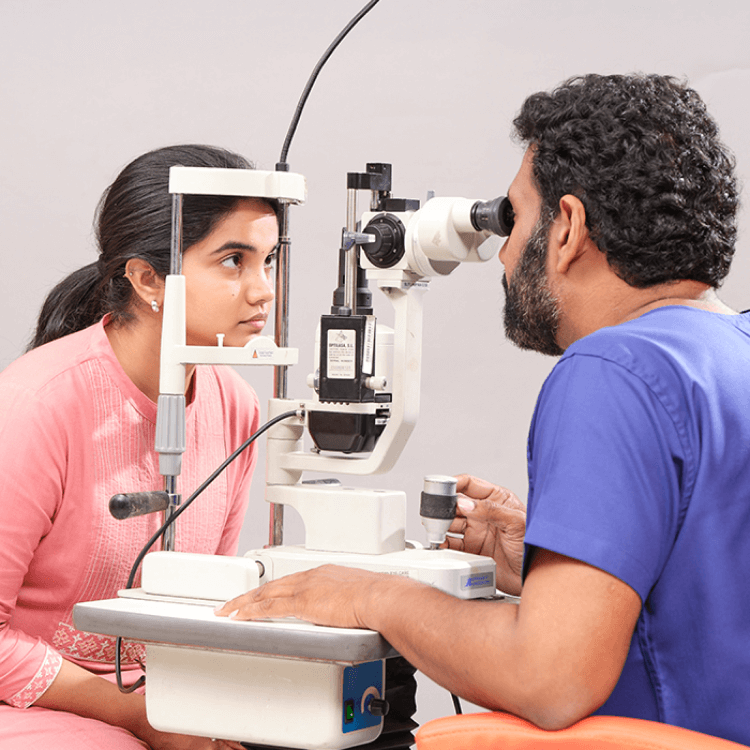
Retinal Laser Photocoagulation
Retinal laser photocoagulation is a treatment we use at Vasan to address several retina-related issues such as diabetic retinopathy, retinal vein occlusion, and others.
Retina Services
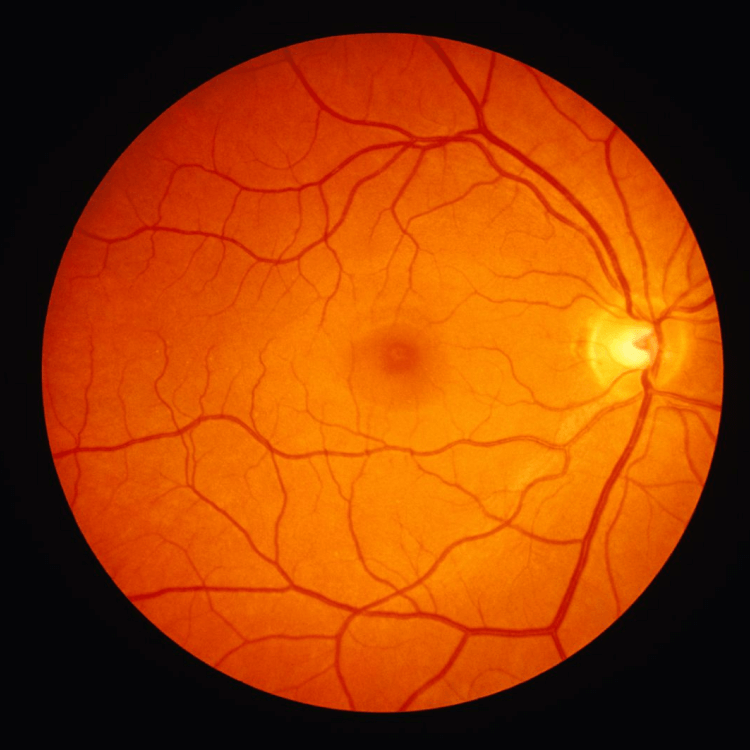
The retina is the light-sensitive layer of tissue at the back of your eyeball. At Vasan, we employ advanced techniques to diagnose diseases that affect your retina.

Refractive Surgery
Refractive surgery is the process of reclaiming your vision and freedom. After careful evaluation, our experts can decrease or completely eliminate your dependency on glasses.