Epi LASIK
Epi-LASIK is a modern refractive treatment option to enable clear vision without glasses or contact lenses.

What is Refractive Surgery? Refractive surgery is a category of eye procedures that correct vision problems caused by refractive errors – such as nearsightedness, farsightedness, and astigmatism – by reshaping the cornea or replacing the eye’s natural lens, reducing or eliminating the need for glasses or contact lenses; common types include LASIK, PRK, LASEK, and lens implant procedures.
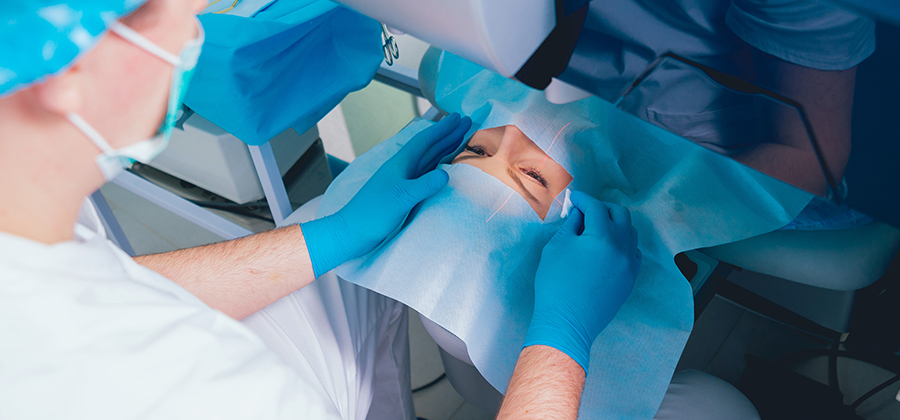
Modern diagnostic tools and surgical techniques enable doctors in India to perform refractive eye surgery which is available throughout the country. Before deciding on any procedure, it is important to understand how it works, who it is suitable for, and what recovery involves. The page provides a complete and usable overview which enables you to make an educated choice.
Refractive surgery includes surgical procedures which restore vision through the process of corneal reshaping or natural lens replacement. The cornea serves a fundamental function because it directs light paths toward the retina. The cornea produces refractive errors when its shape deviates from optimal conditions which results in myopia and hyperopia and astigmatism.
Refractive eye surgery works by adjusting the way light enters the eye so that it focuses properly on the retina. This approach will enhance visual clarity while people will need fewer glasses and contact lenses.
In India, refractive surgery is performed after a detailed eye evaluation. The evaluation process requires four tests which include measuring corneal thickness and mapping the eye surface and checking tear film quality and assessing overall eye health. Not everyone is a suitable candidate. The medical team evaluates four factors which include a patient’s age and their prescription stability and corneal thickness and their existing medical conditions before they determine which specific treatment to use.
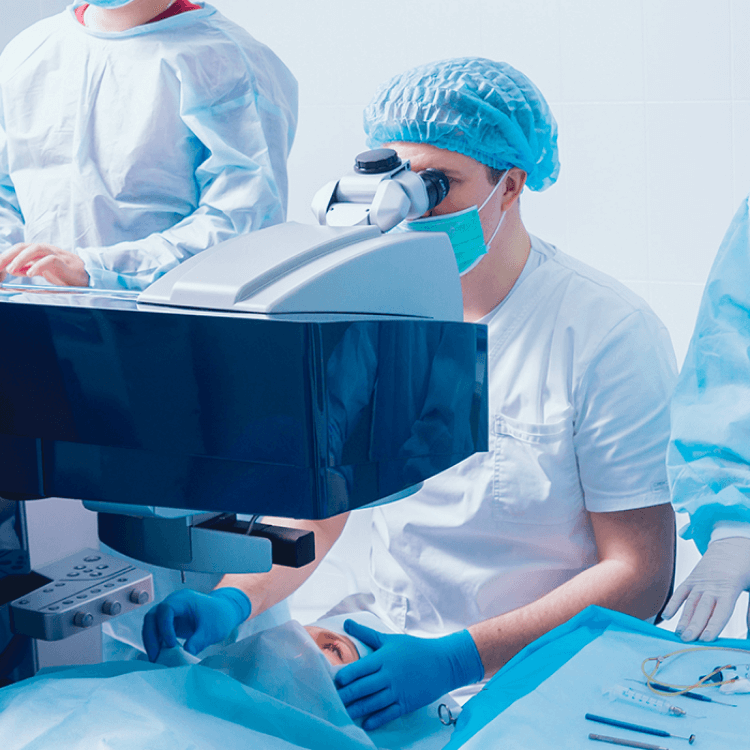
Most refractive surgeries are done as day-care procedures. The surgery requires only a few minutes to complete for each eye which allows patients to return home on the same day. The results become visible within days but complete visual stabilization requires several weeks to achieve.
LASIK stands as the most frequently performed eye surgery for correcting vision problems which people undergo today. The procedure requires surgeons to create a thin corneal flap which they use to reshape corneal tissue with laser technology. The procedure enables patients to achieve fast visual recovery while experiencing minimal post-operative discomfort. The two days after treatment mark the time when most patients attain their best visual results.
PRK serves as another surgical option which utilizes laser technology to correct vision problems. The surgery requires doctors to take away the corneal top layer which allows lasers to reshape the cornea. PRK stands as an optimal treatment choice because it enables safe treatment of patients who have corneas which do not meet the standard thickness requirements for LASIK. The recovery period for patients who undergo this treatment lasts more than LASIK recovery time because they experience mild discomfort during their first stage of recovery..
SMILE represents a surgical method which uses small incisions for eye surgery. A laser creates a small lens-shaped piece of tissue within the cornea which is then removed through a tiny incision. The procedure uses no flap which results in better protection of corneal strength. The procedure is used to treat patients who have myopia and specific types of astigmatism.
The cost of refractive surgery in India depends on multiple factors which include the surgical procedure type, the medical equipment used, the location of the surgery, and the proficiency of the surgical staff.
The average cost of refractive surgery ranges between moderate and high expenses depending on the choice of standard LASIK advanced laser systems SMILE or implantable lens treatments. The insurance coverage of refractive eye surgery as an elective procedure depends on the specific terms of each insurance policy.
The total expense of refractive surgery encompasses three components which include pre-operative evaluation and the procedure and post-operative follow-up visits. Patients should not restrict themselves to price examination because they must verify that all package elements and safety protocols and technology standards are included.
Patients who follow their post-surgical instructions experience a smooth recovery after refractive surgery.
Patients who undergo refractive surgery experience quick vision improvement, but their eyesight will show temporary variations during their first post-operative days. At night, patients experience glare with halos around lights and dry eyes. The temporary effects will stop after a brief period.
The healing process will be tracked through follow-up visits, which will assess cornea recovery progress. The appointments include an examination of your visual acuity and a comprehensive assessment of your eye health.
Most patients achieve decreased need for glasses, but some patients require glasses to complete specific activities like reading and using screens for extended periods. A discussion about an enhancement procedure will happen only when the desired correction remains unachieved in exceptional situations.
Taking proper care after refractive surgery helps ensure stable results and smooth healing.
If you notice severe pain, sudden vision loss, increasing redness, or discharge, contact your eye specialist immediately. Early reporting of unusual symptoms allows timely management.
There are several ways to get perfect vision without depending on your glasses or contact lenses. Consult our experts to know which one is the best for you.
Epi-LASIK is a modern refractive treatment option to enable clear vision without glasses or contact lenses.
This procedure uses a special blade to create a thin flap on the cornea, which is lifted to reshape the underlying tissue for vision correction. After reshaping, the flap is put back in place.
A precise corneal flap is made using a laser instead of a blade. The laser creates a flap of specific thickness and size, allowing for accurate vision correction by reshaping the cornea underneath.
This advanced procedure uses wavefront technology to map out any imperfections in the eye's optical system. With this detailed map, the laser reshapes the cornea to correct vision problems, resulting in clearer and sharper vision.
Contoura Vision employs a technique known as topography-guided mapping. Our experts use this technique to create a 3D map of your eyes, capturing even the most minute irregularities. With this highly detailed map, the laser can target specific imperfections with unparalleled accuracy.
The newest advancement in laser vision correction for eliminating the need for glasses is Epi Contoura Streamlight. Specifically crafted for individuals with thin corneas, this innovative procedure offers remarkable outcomes with a bladeless, flapless, and painless laser procedure.
This procedure combines a microkeratome blade with Contoura technology to create a corneal flap and reshape the cornea for vision correction.
Femto Contoura utilises a femtosecond laser to create a precise corneal flap before applying Contoura technology for customised vision correction.
EVO ICL, or Implantable Collamer Lens, is a refractive procedure that corrects myopia (near-sightedness). It's a removable lens implant for the eye and an appealing alternative to LASIK and other refractive procedures.
Refractive lens exchange is a surgery that replaces your eye's natural lens with a new one called an intraocular lens (IOL). This lens is customised to fit your eyes, like the lenses in glasses or contact lenses, but it's put in your eye permanently. After surgery, many people find they no longer need glasses or contact lenses or only require them for certain activities like reading.
Refractive surgery is a procedure that corrects vision problems by reshaping the cornea or placing a lens inside the eye. It aims to reduce dependence on glasses or contact lenses.
Most adults above 18 years with a stable prescription may be eligible. A detailed eye examination is required to confirm suitability.
The procedure is usually not painful because numbing drops are used. Mild discomfort or irritation may occur for a short time after surgery.
The actual laser treatment usually takes only a few minutes per eye. Including preparation and recovery time, you may be at the clinic for a few hours.
Many people notice improved vision within one or two days. Full stabilization may take a few weeks depending on the procedure.
The surgical expenses for refractive surgery depend on which surgical method and which technological equipment get utilized. The team will present a complete financial estimate after they finish their assessment work.
The surgical correction remains intact for all time. The human visual system undergoes normal aging processes which lead to declining eyesight throughout an individual’s lifespan.
The procedure successfully corrects three vision disorders which include myopia and hyperopia and astigmatism. The treatment does not address glaucoma or retinal disease conditions.
The surgical procedure carries inherent dangers, yet medical professionals experience infrequent extreme health issues through their screening process. The likelihood of complications decreases when patients follow the per-surgery guidelines.
Most routine activities can be resumed within a few days. Strenuous exercise and swimming may need to be avoided for a few weeks.
Contoura Vision is a groundbreaking laser vision correction procedure that enables you to correct your vision for a lifetime.
Customised LASIK is an advanced procedure that helps you see perfectly without glasses or contact lenses.